Paper cup machine equipment tagging gives every maintainable location a stable identity across drawings, work orders, spares and failure records. A useful hierarchy separates the line, machine, functional system and component without changing names whenever a part is replaced.
This guide explains information structure and does not prescribe one universal numbering system. Preserve existing plant standards, machine serial identity and supplier documentation. Define tag ownership, revision rules and field-label materials before rollout. Confirm that labels do not create electrical, hygiene, heat, motion or cleaning risks. Record legacy names as searchable aliases rather than silently deleting them.
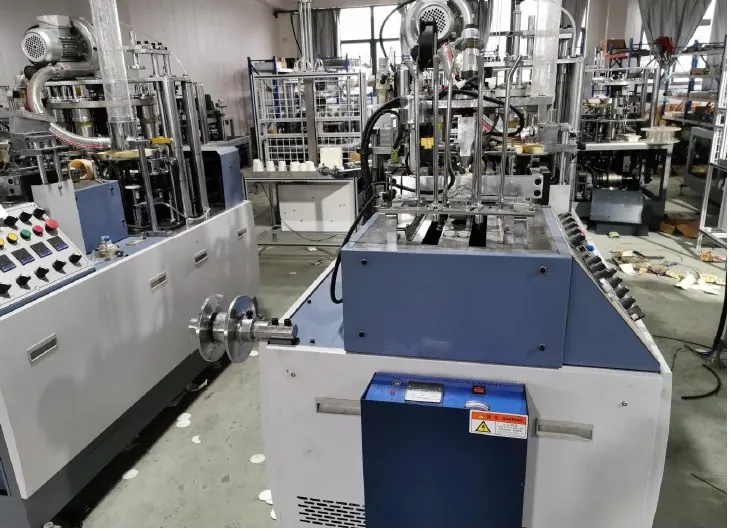
Diagnostic decision table
| Hierarchy level | Example purpose | Weak practice |
|---|---|---|
| Line | Production and utility boundary | One tag for whole factory |
| Machine | Stable asset identity | Name changes with product |
| Functional location | Feeding, sealing or transfer | Technician nickname only |
| Component | Replaceable item and revision | Use spare-box description |
Define the decisions the hierarchy supports
List the records that must connect: inspections, failures, work orders, downtime, parts, drawings, costs and condition trends. Choose levels that support those decisions without creating thousands of unused tags. Distinguish a physical location from the component currently installed there.
Use one stable machine identity through product and tooling changes. A cup format belongs in production context, not in the permanent asset tag. Record line dependencies separately so shared air, vacuum, controls and packing equipment remain visible.
Build consistent parent and child levels
Start with site, line, machine and major functional systems, then add maintainable components where history or planning needs them. Use controlled naming conventions, abbreviation rules and numeric fields. Keep tag length practical for labels, screens and reports.
Prevent duplicate parents and orphan components. A sensor can belong to a forming station while its spare identity remains independent. Review the structure with maintenance, production, controls and stores before mass entry.
Reconcile physical labels and records
Verify each proposed tag against the actual machine, nameplate, drawing and current configuration. Apply labels at safe, visible and durable locations that do not cover warnings or identification. Use material compatible with heat, oil, cleaning and handling.
Record photographs and label coordinates for crowded stations. Where physical marking is unsuitable, use a controlled diagram. A database tag with no reliable field location will produce wrong work orders and parts issues.
Connect work and material transactions
Require requests and work orders to select the lowest useful verified tag. Link installed-part identity, serial context and removed-part disposition. Use the hierarchy to aggregate failure and cost without losing event detail.
Train users to search aliases but save the controlled identity. Do not create a new tag to fix a spelling error or component replacement. Changes to the structure need review because they can split history.
Audit hierarchy quality and change
Check duplicates, inactive tags with open work, missing parents, ambiguous labels and records posted to broad line tags. Review after relocation, system redesign or equipment retirement. Preserve mappings when tags merge or split.
Send HANNAI the machine model, serial context, delivered drawing labels and proposed functional boundary when supplier confirmation is needed. A clear hierarchy improves evidence but does not replace configuration records.
Related equipment and next checks
Review the paper cup production line and the related guide to paper cup machine repair history records. The Engineering Notes archive connects these checks with wider machine planning.
Frequently asked questions
Should a tag change when a component is replaced?
No. Keep the functional location stable and update installed-component identity.
How detailed should the hierarchy be?
Add levels only where maintenance or analysis decisions need them.
Can technician nicknames be retained?
Keep them as searchable aliases linked to the controlled tag.
What should trigger an audit?
Relocation, redesign, retirement, duplicates or unexplained history gaps.
Review the evidence with HANNAI
Send your machine model, component identification and the observations described in this guide. Include the drawing or material reference and any before-and-after measurements so the required next check can be identified.