A paper cup machine emergency maintenance plan prepares people to control a sudden high-consequence failure without improvising authority, evidence or parts decisions. Fast response should shorten uncertainty while preserving safety, product status and the information needed for diagnosis.
This article is a preparedness framework and does not provide emergency, lockout or repair procedures. Follow local law, site emergency systems and HANNAI documentation. Define events that require evacuation, emergency services, quality containment or management escalation. Never delay immediate life-safety action to collect maintenance evidence. Coordinate the plan with production, quality, facilities, information technology and external responders where their systems may be affected. Keep call lists, drawings and recovery resources current. Exercise communication and decision roles through safe drills without simulating hazardous machine actions. Document drill findings, corrective owners, due dates and independently verified completion evidence before formally closing the exercise.
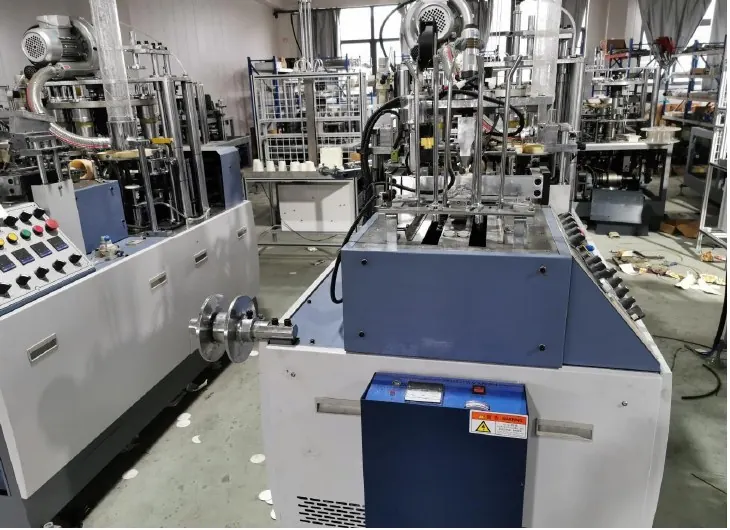
Diagnostic decision table
| Response element | Prepared output | Failure under pressure |
|---|---|---|
| Trigger | Stop and escalation criteria | Call whoever answers |
| Roles | Control, diagnosis and communication | Everyone troubleshoots |
| Evidence | Safe event and product records | Reset immediately |
| Recovery | Parts, verification and release | Restart when repaired |
Define credible emergency triggers
Use risk assessment and history to identify loss of guarding, electrical events, fire or heat, uncontrolled motion, major air or oil release, product contamination, repeated protection trips and failures threatening line damage. State immediate stop and escalation pathways.
Separate emergency from routine breakdown and quality hold while allowing escalation when evidence changes. Make criteria accessible across shifts and languages. Production targets cannot downgrade the response category.
Assign command and technical roles
Name who controls the area, isolation, personnel accounting, product status, technical diagnosis, parts, communications and release. Provide deputies and external contacts. Clarify when contractor or supplier support may join.
Prevent multiple people from resetting, changing settings or removing evidence. One owner should maintain the event timeline and authorize technical transitions through the site process.
Prepare information and resources
Keep current machine identity, drawings, manuals, backups, critical spares, tools and contact routes available under access control. Test that off-shift personnel can retrieve them. Protect credentials and do not store passwords in the response plan.
Prepare safe evidence prompts for first alarm, sequence, operating context, material, photographs and failed parts. Evidence collection begins only after immediate hazards and people are controlled.
Control diagnosis and temporary decisions
Use a structured symptom statement and change one approved factor at a time. Preserve as-found settings, alarms and components. Require engineering review for substitutions, bypasses, temporary repairs and operation limits.
Record the donor source, part identity, software or parameter change and rollback where applicable. Emergency conditions do not remove the need for configuration control; they increase its importance.
Verify recovery and review readiness
Complete configuration, guarding, functional and product checks before production release. Define enhanced monitoring and communication across shifts. Preserve affected product disposition and the event timeline.
Afterward, review response time, evidence, parts, roles and unexpected barriers. Update the plan and training. Send HANNAI the controlled evidence package when supplier analysis or recovery guidance is required.
Related equipment and next checks
Review the paper cup production line and the related guide to paper cup machine remote troubleshooting evidence checklist. The Engineering Notes archive connects these checks with wider machine planning.
Frequently asked questions
Does emergency status allow bypassing safeguards?
No. Use authorized safety and engineering controls.
When should evidence be collected?
Only after immediate hazards and people are controlled.
Who should contact the supplier?
Use the named technical communication owner.
What ends the response?
Verified machine and product release plus assigned follow-up review.
Review the evidence with HANNAI
Send your machine model, component identification and the observations described in this guide. Include the drawing or material reference and any before-and-after measurements so the required next check can be identified.