Paper cup line cleaning verification confirms that the forming and packing route is ready for the next approved job after cleaning, maintenance or a contamination event. A signed cleaning task does not by itself show that hidden product, tools or residues have been removed.
This guide addresses pre-production verification. It does not define chemicals, microbiological limits or occupational safety steps; use the site’s approved sanitation and lockout procedures.
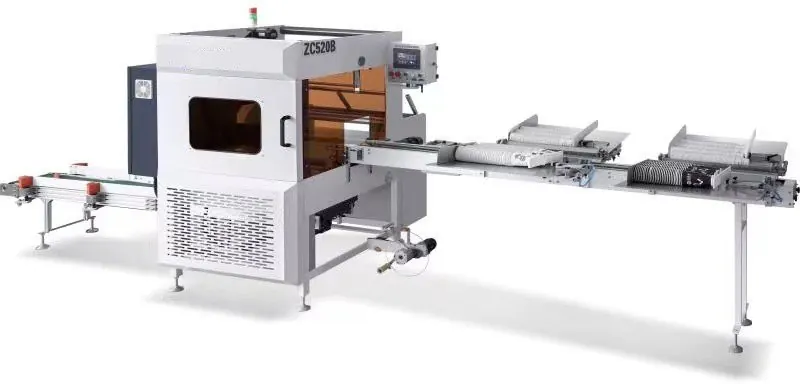
Decision worksheet
| Control point | Evidence to retain | Release decision |
|---|---|---|
| Trigger | Changeover, maintenance or incident record | Required cleaning scope known |
| Execution | Zone checklist and responsible person | Tasks completed safely |
| Inspection | Visual and specified verification results | Route is acceptable |
| Accountability | Tools, parts and removed material | Nothing remains unaccounted |
| Release | Authorization and first-output check | Production may start |
Define the cleaning boundary
Identify the event and zones requiring cleaning, including feed, forming, transfer, collection and packing surfaces. Consider overhead or hidden points. Define the responsible role and the point in the production or warehouse flow where the check occurs. Use the current approved order, specification or procedure rather than an uncontrolled copy. Reference the approved method, equipment condition and product risk. Mark components removed for access and their intended return locations. Record actual identities, quantities, dates and observations as the work happens, so a later reviewer can reconstruct the decision without relying on memory.
Do not assume routine changeover cleaning is adequate for maintenance debris, oil leakage or a foreign-material event. Protect affected material before continuing and keep the original observation visible. Assign an owner and due time for missing information. The review should distinguish confirmed facts, assumptions and unavailable evidence, then state who may authorize the next movement or use.
Execute with controlled materials
Begin by mapping the affected item and process boundary. Use identified cleaning tools and agents according to the approved procedure. Prevent cleaning items from mixing with production material. Make the instruction usable at the line by naming the product, lot, equipment, location and revision that apply. Record completion by zone and note damage, loose parts or abnormal residue discovered. Escalate conditions outside the cleaner’s authority. Where electronic and physical records both exist, compare them rather than assuming they agree. Preserve screenshots, labels or samples only when their source remains identifiable.
Stop and protect the equipment when required guards, parts or safety controls cannot be restored correctly. Stop the normal release path until the difference is resolved or formally accepted by an authorized role. Reconcile every transferred, sampled, reprinted, discarded or returned quantity. Close the step with a dated decision and a link to supporting evidence.
Inspect the full product route
The control should answer what is being checked, against which requirement and by whom. Use adequate lighting and access to inspect surfaces that can contact or shed into product. Check conveyors, chutes, collection points and packing guides. Use clear acceptance language and avoid broad statements such as checked or acceptable when an actual result can be recorded. Perform swab, residue or other specified verification only with the approved method and acceptance limits. Record actual results. Keep the first result and any later correction or retest connected in sequence; do not overwrite evidence that explains why the review began.
Repeat cleaning and investigate when evidence fails; a second signature does not convert an unacceptable result into a release. Contain the defined scope, notify the designated owner and evaluate whether earlier output or later operations may also be affected. Verify the corrective action at the work point before reopening the normal route, and retain the closure evidence with the batch or event record.
Account for tools and removed items
Reconcile brushes, wipes, fasteners, tools, covers and replacement parts used during the activity. Verify waste and removed product left through the intended route. Define the responsible role and the point in the production or warehouse flow where the check occurs. Use the current approved order, specification or procedure rather than an uncontrolled copy. Confirm guards, sensors and product-contact components are restored. Link maintenance handback when work occurred. Record actual identities, quantities, dates and observations as the work happens, so a later reviewer can reconstruct the decision without relying on memory.
Treat any missing tool or component as an unresolved foreign-material risk until located or technically dispositioned. Protect affected material before continuing and keep the original observation visible. Assign an owner and due time for missing information. The review should distinguish confirmed facts, assumptions and unavailable evidence, then state who may authorize the next movement or use.
Authorize startup and check first output
Begin by mapping the affected item and process boundary. The designated release role should review completion, inspection, tool accountability and safe handback before material enters the line. Make the instruction usable at the line by naming the product, lot, equipment, location and revision that apply. Identify and inspect first output for residue, odor, damage or other applicable condition. Record the accepted startup boundary. Where electronic and physical records both exist, compare them rather than assuming they agree. Preserve screenshots, labels or samples only when their source remains identifiable.
Hold output and reopen the cleaning investigation if the first run reveals a condition that the pre-start inspection missed. Stop the normal release path until the difference is resolved or formally accepted by an authorized role. Reconcile every transferred, sampled, reprinted, discarded or returned quantity. Close the step with a dated decision and a link to supporting evidence.
Related equipment and next checks
Review the paper cup production line and the related guide to maintenance handback verification guide. The Engineering Notes archive connects these checks with wider machine planning.
Frequently asked questions
Does a completed cleaning checklist release the line?
Release also requires the specified inspection, accountability and authorized decision.
Should packing equipment be included?
Include every route where residue or foreign material could reach the finished product.
How are cleaning tools controlled?
Identify, count, store and reconcile them according to the approved procedure.
What happens to first output?
Inspect and record it under the startup plan before normal release continues.
Review the evidence with HANNAI
Send the line layout, cleaning trigger, zone checklist and first-output checks. HANNAI can help identify forming and packing areas for the release review.