A paper cup bin location accuracy audit confirms that material can be found at the recorded warehouse position without losing lot or status control. Incorrect locations delay issue and can cause the wrong board, artwork or packaging to be selected under production pressure.
This guide covers location accuracy and traceability. It does not prescribe warehouse safety layouts, rack capacity or fire controls, which require approved site engineering and local rules.
Decision worksheet
| Control point | Evidence to retain | Decision status |
|---|---|---|
| Define the location master | Verify that location labels are readable and map to the same codes used by the inventory system | Verified, held or escalated |
| Select a two-direction sample | Record the inventory snapshot, audit time and sampling basis before movements occur | Verified, held or escalated |
| Compare identity and quantity | Inspect the physical label on each selected reel, pallet or carton rather than relying on nearby signage | Verified, held or escalated |
| Trace the last movement | Identify whether the error came from a missed scan, wrong label, delayed transaction or physical move | Verified, held or escalated |
| Verify corrective action | Confirm users can complete transfers for partial quantities and temporary staging without workarounds | Verified, held or escalated |
Define the location master
Convert the requirement into an observable check. List active zones, racks, floor positions and temporary locations with unique identifiers. Specify the item, place, source document and reviewer so another qualified person can repeat the decision. Verify that location labels are readable and map to the same codes used by the inventory system. Store supporting images, count sheets or system extracts under the same batch or shipment reference.
Block ambiguous duplicate or unofficial locations from routine transactions. Evaluate whether the difference could extend to material already issued, packed or dispatched. Keep the original finding alongside the response and final verification, creating a usable chronology rather than a cleaned-up final form with no history.
Select a two-direction sample
Control the transfer at both sides of the boundary. Choose system-to-floor records and floor-to-system items across raw, held, WIP and finished stock. The releasing person should identify what is moving and the receiving person should confirm quantity, lot, location and current permission to use it. Record the inventory snapshot, audit time and sampling basis before movements occur. Any adjustment made between the two confirmations needs a traceable transaction and named authority.
Expand the audit when one mismatch suggests an entire aisle or transaction type is affected. Put incomplete or conflicting units in an identified exception area. Once the record is repaired, inspect the destination stock directly and document the final count and status before normal movement resumes.
Compare identity and quantity
A useful review combines physical observation with record reconciliation. Match item, lot, status, owner or customer, package count and recorded location. Start from the selected lot, pallet, container or production period and trace every related entry that changes quantity or status. Inspect the physical label on each selected reel, pallet or carton rather than relying on nearby signage. State the sampling basis and show all unit conversions used to compare the sources.
Segregate unexpected or unidentifiable stock until traceability is restored. Never create an unsupported adjustment merely to make totals agree. Record the difference, investigate its process point, authorize the eventual correction and use a later check to confirm that the underlying control now works during routine operations.
Trace the last movement
Review receipts, transfers, picks, returns and status changes for each mismatch. Before the check starts, mark the order or shipment boundary and the person accountable for the result. Base the decision on the approved transaction, label and specification set that actually governs this movement. Identify whether the error came from a missed scan, wrong label, delayed transaction or physical move. Write down what was seen at the location, including identities, counts and timing, while the evidence is still available.
Preserve the original record and authorize corrections through the inventory process. An unresolved discrepancy remains a blocked condition. Route it to the role that can approve disposition, then revisit the material and its electronic record to demonstrate that the chosen action was completed.
Verify corrective action
Follow the item through its real warehouse or production path. Recheck corrected locations during normal warehouse activity and trend recurring error types. Note the point where the record is created, the next user of that record and the physical unit to which it applies. Confirm users can complete transfers for partial quantities and temporary staging without workarounds. Test the entry against the reel, carton, pallet, container or machine-side item instead of reviewing the screen alone.
Escalate repeat mismatches that could affect material selection, stock ageing or shipment identity. When the connection cannot be proven, define the affected lots and prevent their next transaction. Corrections should retain the earlier entry, the reason for change and the evidence that the floor condition now matches the authorized record.
Related equipment and next checks
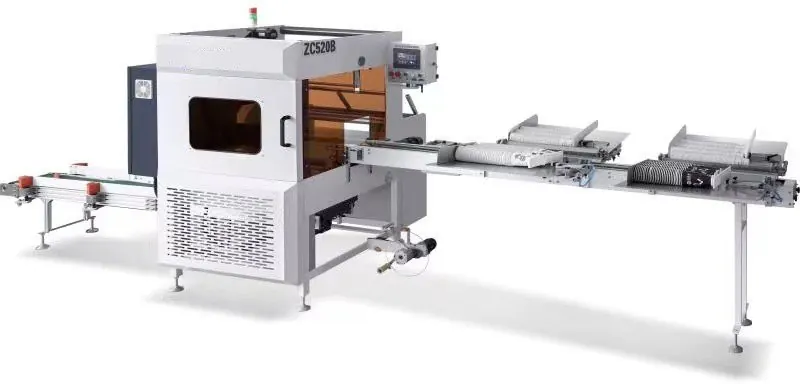
Review the paper cup production line and the related warehouse material status label audit. The Engineering Notes archive connects these checks with wider machine planning.
Frequently asked questions
Why audit in both directions?
System-to-floor finds missing stock; floor-to-system finds unrecorded or misplaced stock.
Should temporary staging locations be included?
Yes, if material can remain there or be issued from them.
How should unknown stock be handled?
Block movement and reconstruct identity from controlled receiving and transfer evidence.
Does correcting the system close the finding?
Verify the physical location, label and cause before closure.
Review the evidence with HANNAI
Send the warehouse location structure and inventory fields. HANNAI can help identify production-to-warehouse transfer points that require location control.