Paper cup machine collection and counting system troubleshooting begins where an accepted cup leaves the forming process and ends when a controlled stack or batch is handed to packing. Reliable collector operation depends on ejection, orientation, transport, nesting, batch release and handoff continuity. This upstream collector count is not the same control boundary as a packing machine’s final pack count.
Define the downstream system boundary
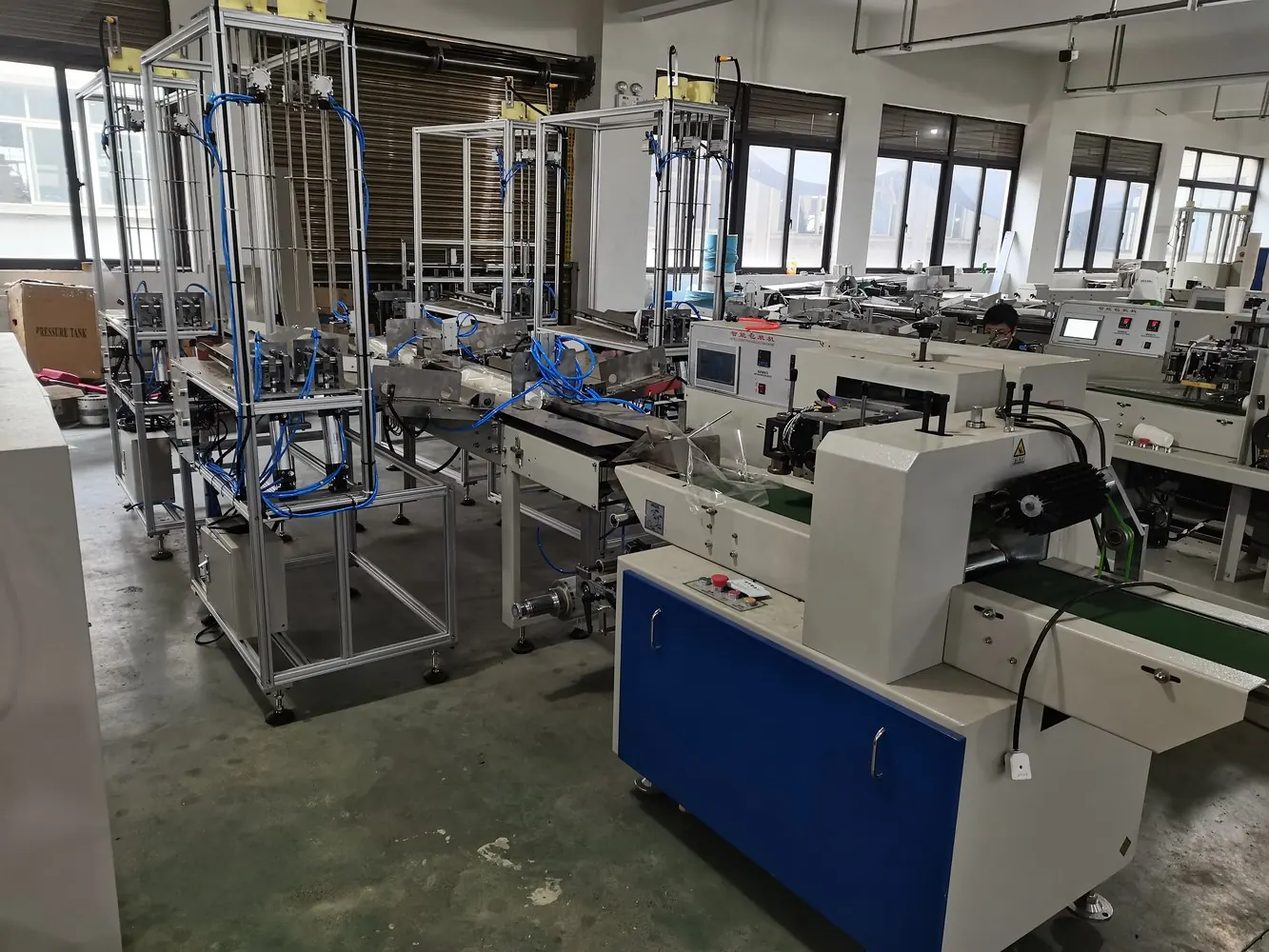
Map the path from cup release at the forming machine to the agreed packing handoff. Identify the ejection device, chute, pipe, conveyor, air-transfer path, stacker, guides, collector trigger, batch gate and buffer where fitted. Record which controller owns each stop, reset, release and accumulation signal. Stop the map at the accepted stack or batch; bag-film feeding, final pack counting and sealing are separate packing-machine functions.
Also define what enters the system: cup SKU, rim and base condition, nesting behavior, accepted forming output and rejection method. The collection system should handle released cups; it should not hide upstream defects by forcing unstable cups into a stack.
Use a collection and counting evidence table
| Process point | Evidence to record | Decision question |
|---|---|---|
| Cup release | Orientation, spacing, deformation and release consistency | Does each acceptable cup leave the forming station cleanly? |
| Transport | Airflow or conveyor state, guide position, contact marks and accumulation | Does the cup travel without collision, delay or contamination? |
| Nesting | Stack alignment, engagement depth, leaning and sticking | Are cups forming a stable repeatable stack? |
| Collector trigger | Physical cup or stack event, trigger identity, controller input and release timing | Does the collector release one complete, identified batch? |
| Batch logic | Collector target, reset source, interruption and rejected-cup handling | Can the collector preserve an incomplete batch through real stops? |
| Packing handoff | Released stack, buffer level, batch identity, intervention and backlog | Does packing receive a stable and reconciled collector output? |
| Verification | Released batches, physical reconciliation, operating state and sample identity | Was collector handoff demonstrated with the target cup? |
Confirm cup quality before changing collection hardware
Inspect cup shape, rim profile, side seam, base, surface and nesting behavior at the forming-machine outlet. Out-of-round rims, inconsistent taper, protruding seams, deformation or surface tack can cause cups to rub, rotate or stick during collection. Compare affected cups with the approved sample.
The stackability and de-nesting inspection guide helps distinguish a product-geometry issue from a collection setting. Record whether the same collection fault occurs with another approved batch before moving guides or sensors.
Observe release spacing and transfer continuity
From outside the guarded area, record whether cups leave singly, with consistent orientation and with enough separation for the next operation. Note collisions, bounce, delayed release, backflow, overturned cups or accumulation at bends and transitions. Compare startup, normal production, speed changes, stops and restart behavior.
Where an air-transfer system is fitted, inspect approved airflow sources, hoses, joints, filters and obstructions under the required procedure. Guides, belts, supports and drive components on conveyors or mechanical transfers may be inspected only by qualified personnel under approved isolation and stored-energy control. Do not increase airflow or conveyor speed blindly; excessive handling force can deform cups or destabilize the handoff.
Verify the collector trigger at the batch handoff
Identify what the delivered collector actually counts: individual cup passages, forming-machine ejection events, stack-gate movements or another documented trigger. Compare that physical event with the approved controller input and the released stack. A displayed value is not proof that a complete physical batch reached the handoff.
Preserve the original sensor or bracket position before any authorized adjustment. Never bridge a collector or safety-related input to maintain production. Use the sensor and interlock troubleshooting guide when the documented collector event and controller indication disagree.
Preserve stack identity through interruptions and rejects
A collector can release an incomplete or mixed stack after a jam, manual removal, rejected cup, emergency stop, power interruption or delayed batch gate. Define how the delivered system contains the affected cups and who may reconcile or reset a partial collector batch.
Run controlled scenarios using the approved test method. Record cups remaining in the transport path, stack status before the event, controller state after recovery and the identity of the first released batch. Do not send an uncertain partial stack into the packing machine.
Control static, contamination and environmental effects
Paper dust, loose fibers, oil mist or packaging debris can affect guides and optical detection. Dry conditions and some cup surfaces may increase static behavior, while moisture or heat can change cup shape and nesting. Record the environment and material batch when faults vary by time or product.
Use only approved cleaning and static-control methods that are suitable for food-packaging production. Do not apply unapproved chemicals, lubricants or improvised conductive parts near finished cups, electrical components or moving equipment.
Match collection flow to the packing interface
Measure accepted forming output entering collection, completed stacks leaving it and the backlog at defined intervals. If the collection or packing stage releases less than the accepted incoming flow, accumulation will grow even when each component appears to run normally.
The production-line bottleneck analysis guide helps quantify this difference. Once a complete stack enters automated bagging, the packing machine becomes the responsible boundary for final pack count, film handling and sealing; the paper cup packing machine guide explains the interface data needed.
Validate complete stack handoff with a controlled challenge
Define the target cup, collector batch, test duration, operating states and independent physical reconciliation method before starting. Include repeated release events and label every incomplete, excess, leaning or interrupted stack. Record adjustments rather than discarding failed evidence.
Collector acceptance should prove that actual forming output becomes stable, identified stacks at the packing handoff. Final sealed-pack count remains a separate packing-machine verification. For a connected paper cup production line, both boundaries must be tested with the target cup and real transfer arrangement.
Frequently asked questions
Does correct forming output prove the collection system can keep up?
No. Accepted cups per interval, transport stability, stack release and packing handoff must be measured separately. A growing queue shows that the downstream system is not clearing the incoming accepted flow.
Why can a released collector batch be incomplete?
A cup can remain in the path, be rejected, collide during stacking or be removed during a stop while the release logic continues. Compare the physical transport and gate event with the documented collector state.
Does the collector count replace the packing machine count?
Not automatically. The collector confirms its released stack or batch; a packing machine may have its own count, interrupted-cycle and pack-release logic. Their reconciliation method must be defined for the delivered line.
When should the equipment supplier review a collector problem?
Escalate when the issue involves protected logic, undocumented trigger or release timing, repeated transfer collisions, integration signals between machines or a fault the site cannot test safely from the supplied documentation.
Send the forming-machine and downstream-equipment models, cup drawing, collector batch definition, photos of the complete transfer path, controller evidence, event video, physical reconciliation results and recent changes through our inquiry page. HANNAI can review the available line evidence and discuss project-specific checks.