Static electricity can make paper cup sidewall blanks cling together, repel, skew, attract dust or release inconsistently during feeding. However, every double feed or pickup miss is not a static problem. A reliable paper cup machine static electricity and blank feeding diagnosis compares material condition, humidity history, stack preparation, separator action, vacuum performance, grounding and the point where the blank first behaves abnormally.
Confirm the symptom is consistent with electrostatic behavior
Observe from a safe position. Static-related clues can include two blanks remaining attached after mechanical separation, light blanks lifting or moving without contact, dust accumulating rapidly on exposed surfaces, a stack edge that will not settle, or faults that change sharply with material conditioning and ambient conditions. Record the material lot, coating, print condition, storage time, stack height and time of day.
Compare with mechanical clues. A worn separator, curled stack, wrong blank dimensions, low vacuum, blocked filter, damaged suction cup or incorrect magazine guides can create the same feed alarm. Use a controlled comparison rather than concluding from a visible spark or one dry day.
Use a blank-feeding evidence table
| Check | Evidence | Diagnostic value |
|---|---|---|
| Material identity | Supplier, lot, paper/coating specification, print process and cutting date | Shows whether the symptom follows one defined input |
| Conditioning | Storage location, sealed/open time and measured room condition | Identifies abrupt environment or moisture-history changes |
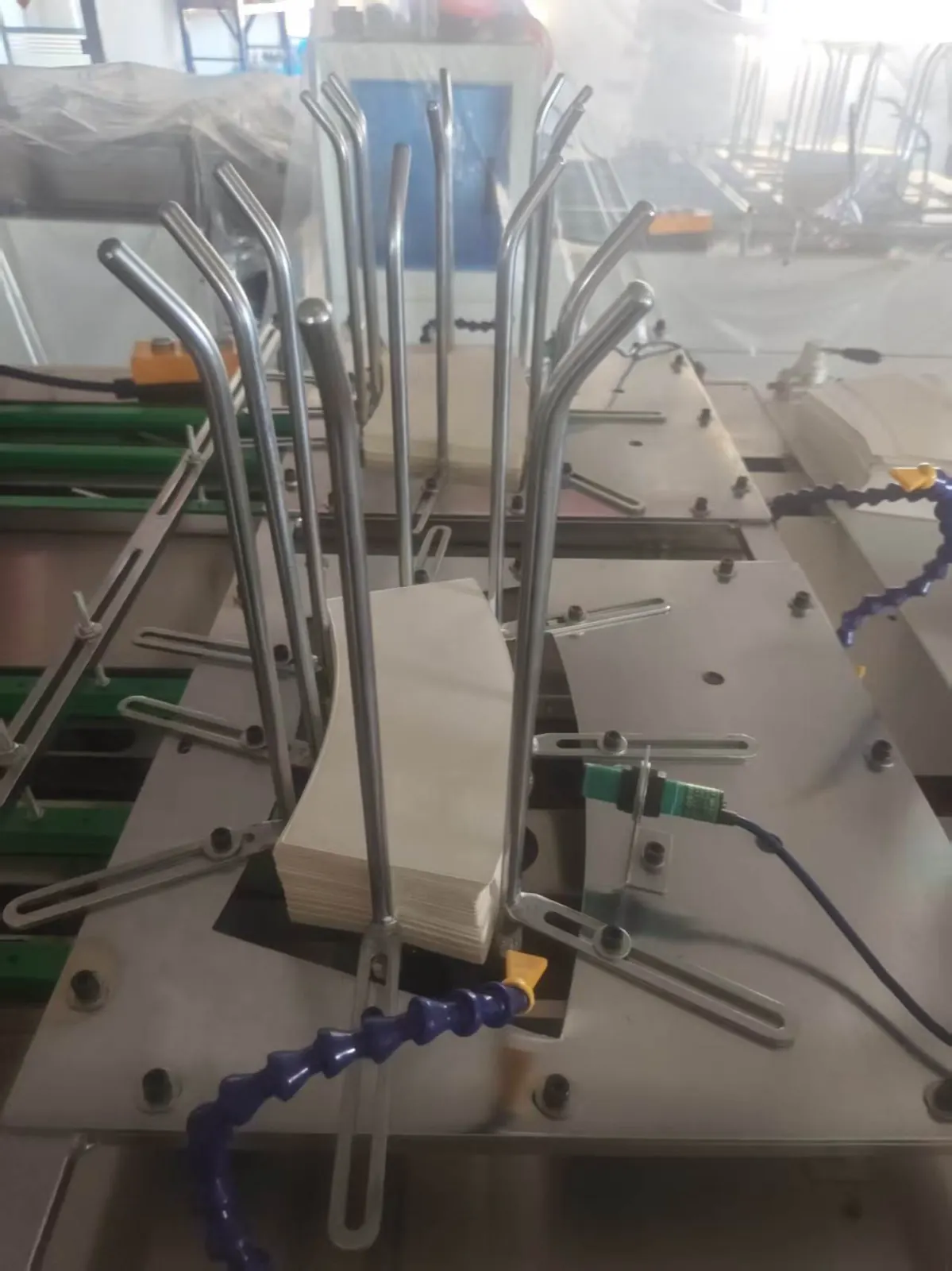
| Stack geometry | Curl direction, edge damage, height, guide clearance and separator contact | Separates physical presentation from static attraction |
| Pickup path | Vacuum indication, filter, hose, suction surface and release timing | Checks whether the feed device has stable control authority |
| Grounding/static control | Installed devices, connection condition, cleanliness and approved test | Verifies the delivered control path without guessing |
| Fault pattern | Miss, double feed or skew by stack depth, speed and time | Shows when and where separation becomes unstable |
Stabilize material storage and presentation
Keep blanks in controlled packaging and storage according to the material supplier’s instructions. Avoid moving cold or differently conditioned material directly into production and opening it without an agreed acclimatization process. Record actual room conditions using a suitable instrument; do not assume that an operator’s comfort level represents the paper’s condition.
Inspect blank flatness, edge quality, coating side and printing condition. Fan or prepare the stack only by the approved method so edges are not damaged and foreign material is not introduced. Load a consistent stack against the intended guides without compressing it so tightly that separation becomes impossible.
Verify separators, vacuum pickup and release
Under safe isolation, inspect separator fingers, air separation devices if fitted, magazine guides, suction surfaces, filters, hoses and fittings. Confirm the pickup device contacts the intended area of the blank and releases at the correct point. Clean components by the supplier-approved method; solvents and compressed-air blow-off can damage parts or spread dust.
The vacuum pickup troubleshooting guide helps distinguish low suction, leakage, a blocked path and command timing. Static and vacuum can interact: a marginal pickup system may work with one conditioned lot but fail when attraction between blanks increases.
Inspect installed static-control and grounding provisions
Identify what the delivered line actually uses: bonding/grounding connections, conductive machine parts, ionizing equipment or other static-control devices may be configuration-specific. Only qualified personnel should test protective conductors or energized ionizers. Follow the device manufacturer and site electrical-safety procedure.
Do not add improvised wires, chains, sprays or unapproved high-voltage devices near moving paper and operators. A visible connection is not proof of effective static control, and a protective-earth conductor is not a process adjustment. Inspect cleanliness, connection integrity and permitted operating indication, then document any authorized correction.
Run controlled A/B trials
Change one factor at a time: a known accepted material lot, a correctly conditioned stack, a verified separator setup, a serviced vacuum path or an approved static-control correction. For each trial, count feed misses, double feeds and skew events over a defined number of cycles. Preserve rejected blanks so the result is not reduced to “better” or “worse.”
Do not mask instability by slowing the machine permanently without understanding the cause. Speed can be a diagnostic stage, but the final release must demonstrate the agreed operating condition and acceptable cup quality.
Prevent recurrence with material and environment records
Add material lot, storage/open time, measured room condition and feed-fault count to the shift record. Clean and inspect feed-path components at the interval specified for the delivered machine. Keep grounding and any static-control device in the preventive inspection scope rather than waiting for a seasonal failure.
If the issue follows a supplied blank characteristic, share marked samples and objective measurements with the material or printing supplier. If it follows the machine path across accepted material, share the feed sequence, vacuum and control evidence with the machine supplier.
Frequently asked questions
Does a double feed automatically mean static electricity?
No. Stack curl, damaged edges, separator wear, excessive guide pressure, vacuum timing and contamination can also cause two blanks to travel together.
Can water be sprayed near the feeder to remove static?
Do not use an improvised spray. Moisture can change paper, coating, print quality, electrical safety and machine cleanliness. Control the room and material according to approved procedures.
Why can the fault be worse after opening a new package?
The new lot may have a different conditioning history, flatness, surface or charge state. Record the identity and allow only the specified conditioning process before a controlled comparison.
When is an electrical specialist required?
Use qualified personnel for protective-earth tests, electrical bonding checks, ionizer service or measurements near energized equipment. Operators should not improvise an electrical static-control solution.
Send the machine model, blank dimensions and lot, storage/room records, stack photos, fault counts, vacuum evidence and a safe feed video through our inquiry page. HANNAI can review the delivered feeding configuration and evidence path.