Paper cup machine gearbox oil leakage should be traced to its highest confirmed wet point before a seal is blamed. Overfilling, blocked breathing, loose fittings, a damaged sight device, joint leakage, shaft movement or oil carried from another component can produce similar stains. The inspection must preserve lubricant identity and machine condition while preventing contamination of paper, cups and surrounding walkways.
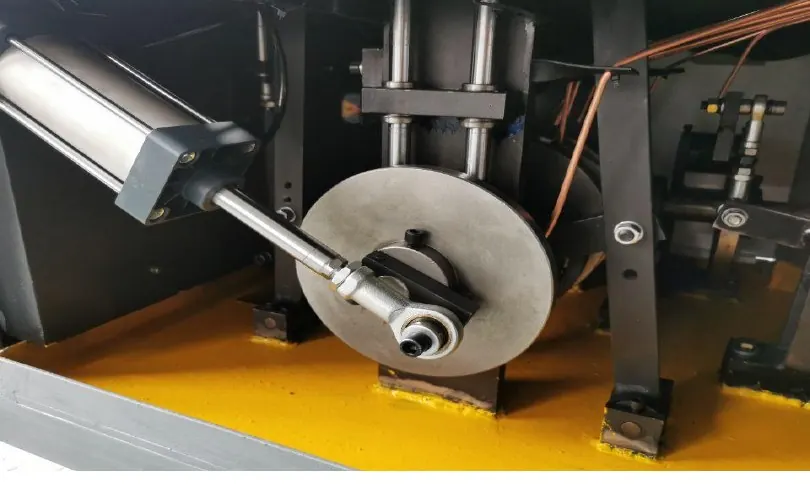
Identify the gearbox and lubricant requirement
Use the machine lubrication chart, gearbox nameplate or parts documentation to identify the unit, lubricant specification, level-check condition, filling point, drain, breather and inspection devices. Do not assume that all gearboxes on one line use the same oil or level method.
The lubrication plan guide covers machine-wide lubricant control. This article focuses on diagnosing a contained gearbox that is losing oil or showing suspected seal and breathing problems.
Contain and record the first evidence
Protect paper and finished cups from contact, place an approved drip control where safe and mark the machine out of service if leakage creates a slip, fire or product-contamination risk. Record where the oil was first seen, machine state, runtime, recent refill, ambient condition and whether the symptom changes while running.
Photograph the housing from several labeled sides before cleaning. Note oil color, odor, foam, visible particles or water-like appearance without making an unsupported diagnosis. Keep any sample in a clean identified container only when the factory’s procedure requires it.
Build a gearbox leakage table
| Leak pattern | Evidence to inspect | Diagnostic direction |
|---|---|---|
| Oil begins near top of housing | Breather, fill plug, level, splash path and recent service | Review breathing or fill condition before shaft seals |
| Wet ring around rotating shaft | Seal lip area, shaft surface, play, alignment and external load | Check both sealing surface and supported motion |
| Oil follows housing joint | Highest wet point, fasteners, gasket line and housing damage | Confirm joint source rather than runoff |
| Leak appears after warm operation | Runtime, level, breather condition, load and temperature trend | Review expansion, pressure and operating condition |
| Oil level repeatedly drops | Measured level method, collected loss and hidden transfer path | Quantify loss and stop unsafe topping-up cycles |
Clean and map the source under isolation
Stop the machine, apply lockout and verify isolation. Allow hot surfaces to reach the safe condition in the manual. Clean the accessible housing with an approved product while controlling runoff so that oil and cleaner do not enter the product area.
Use a simple inspection map for the breather, plugs, sight glass, joints, covers and shaft exits. After cleaning, observe the first reappearance through the permitted stationary or guarded running method. Oil at the bottom of a gearbox rarely proves that the bottom joint is the origin.
Inspect the breather and oil level
Confirm the breather is the correct part, installed in the intended position and free from visible contamination or damage. Do not clear it with uncontrolled high-pressure air or replace it with an open fitting. A restricted or incorrect vent can change internal pressure and direct oil through the weakest path.
Check level in the supplier-defined machine state, temperature range and position. Overfilling can cause churning, heat, foam and leakage; underfilling can damage gears and bearings. Add only the confirmed lubricant using clean dedicated equipment, and record quantity by the approved method.
Review seals, shafts and support condition
With stored energy controlled, inspect accessible shaft-seal areas for hardened residue, cuts, displaced lips, grooves or contamination. Check shaft play, coupling condition, bearing evidence and external belt, chain or coupling load using the specified method. A new seal can fail again if alignment or support remains abnormal.
Use the coupling and shaft alignment guide when the gearbox connects through a driven assembly. Seal replacement should not become a substitute for correcting shaft movement or imposed pipe and frame strain.
Repair without contaminating the unit
Confirm replacement seals, gaskets, breathers, plugs and lubricant against the exact gearbox and machine documentation. Qualified personnel should drain, open and reseal the unit using clean tools and the supplier procedure. Prevent lint, abrasive particles and old gasket material from entering the housing.
Do not apply external sealant over an active leak without confirming the approved joint method. Excess compound can enter the gearbox or hide a crack. Record removed parts, seal orientation, shaft condition, lubricant drained and refill evidence.
Verify after restoration
After reassembly, remove tools and temporary containment, restore guards and follow the approved startup. Inspect at staged runtime using the same cleaned reference areas. Record level, leak map, sound, vibration and temperature indication where part of the maintenance plan.
Run representative product and confirm cup quality and station timing. Recheck after the defined follow-up interval rather than declaring success from a dry stationary housing. Any leak reaching paper or product requires immediate containment and quality review.
Frequently asked questions
Does oil near a shaft always mean the seal has failed?
No. Oil can run from above, and shaft play, misalignment, overfill or blocked breathing can damage or overload a healthy seal.
Can any gear oil be added temporarily?
No. Lubricant type and compatibility must match the supplied gearbox. Mixing unknown products can change lubrication and seal behavior.
Should a blocked breather be cleaned with compressed air?
Only if the manufacturer specifies that controlled method. Uncontrolled air can drive dirt into the gearbox or damage the component.
What evidence helps a gearbox leak review?
Provide gearbox identity, lubricant record, oil-level method, labeled leak map, cleaned before-after photos, breather and shaft findings, runtime pattern and recent service.
Send the machine and gearbox model, lubrication record, leak map, breather and seal photos, shaft or alignment findings and operating pattern through our inquiry page. HANNAI can review them against the supplied drive arrangement.