Bottom knurling compresses the prepared bowl wall and bottom structure along a controlled circular track. If the roller profile, height, pressure, heat or bottom-disc position is wrong, the seal can show weak sectors, wrinkles, cutting marks or leakage. Increasing pressure may damage the coating without fixing alignment.
The correct geometry and process window depend on bowl drawing, paper/coating and machine tooling. Use approved samples and machine-specific settings. Lock out the forming station and control hot surfaces before inspecting rollers or tracks.
Decision matrix
| Knurling factor | Evidence | Acceptance |
|---|---|---|
| Material/blank | Wall and bottom lots, coating, curl and dimensions | Inputs match approved bowl |
| Bottom position | Disc depth, centering and wall relationship | Joint enters the intended track |
| Roller/tool | Profile, surface, runout and mounting | Contact is smooth and repeatable |
| Process | Heat, pressure, dwell and station timing | Applied within validated recipe |
| Finished bowl | Track map, wrinkles, damage and leak test | All sectors meet the quality plan |
Map defects around the bowl
Mark leak or weak-seal position relative to side seam, machine direction and tooling station. Inspect the full circumference for track width, emboss pattern, wrinkles, cuts and coating damage. Keep samples in sequence rather than selecting only the worst one.
A defect fixed at one angular position can indicate roller/tooling geometry; a defect following the side seam or bottom-disc offset can be upstream. Use the related feeding guide to verify disc presentation before altering knurl pressure.
Verify bottom-disc and wall preparation
Check controlled wall blank and bottom disc dimensions, coating side, storage condition and feed orientation. Measure bottom depth and centering by the approved method. A disc that enters high, low or skewed changes what the knurl roller contacts.
Inspect preheating or hot-air delivery where the process uses it, but do not publish or copy a universal temperature. Record setpoint, actual trend and material lot so changes are traceable.
Inspect roller profile and movement
With energy isolated, clean the knurl roller and mating tool. Inspect teeth/profile, edges, bearings, shaft, fasteners and contact surface for buildup, chips, flats or uneven polish. Rotate only through the safe maintenance method.
Check runout and track location from defined datums. A worn bearing can move the track while the roller profile still appears acceptable. Do not sharpen or grind the roller without the tooling supplier’s geometry.
Balance contact and process conditions
Use contact evidence or first articles to compare pressure around the circumference and across track width. Adjust only through the machine’s defined datums. Change one factor—alignment, approved pressure, heat or timing—at a time.
Excess pressure can cut or thin the paper and mask a poor seal temporarily. Evaluate track formation together with material damage and bowl geometry. Restore guards before powered trials.
Validate sealing with the quality plan
Run samples at setup and production speed, including startup and stop/restart. Apply the project’s defined leak or integrity test after the required conditioning period. Map results to tooling position and retain labeled accepted samples.
Send HANNAI bowl drawings, material data, roller photos, track map and test results. Approval requires repeated leak-free evidence without coating or shape damage, not simply a deeper visible knurl.
Related machine and guide
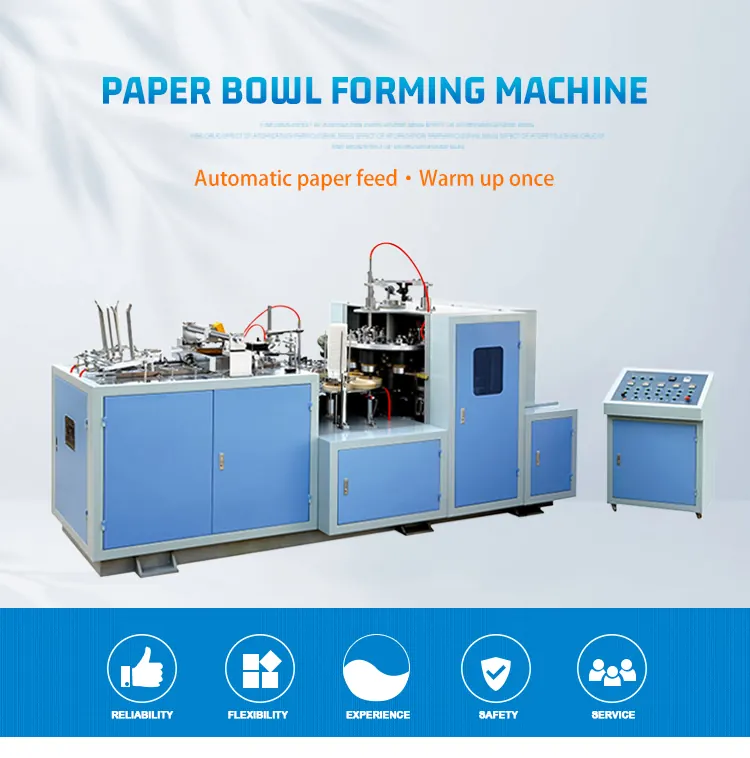
Review the paper bowl machine for machine context, then use the bottom disc feeding and sealing guide for the adjacent check. Browse all Buyer Guides when building a wider project checklist.
Frequently asked questions
Can more pressure always improve a weak bottom seal?
No. It can damage paper or coating while alignment remains wrong.
Why mark leak position around the bowl?
The angular pattern helps separate tooling, side-seam and disc-centering causes.
Can the roller be sharpened at the machine?
Only under an approved tooling repair specification.
What proves a stable setup?
Repeated track and leak-test results across startup and steady production.
Review your machine configuration with HANNAI
Send the machine model, project reference, component labels, drawings, photos and a description of the required result. We will clarify which details must be confirmed before a quotation or technical recommendation.