The hot-melt tank, pump, heated hose, filter and temperature-control zones are part of the production sequence, and their condition can contribute to adhesive stringing, weak bonding, char particles, slow recovery or delivery that changes during a production run.
Final limits, parts and adjustments remain configuration-specific; use the adhesive technical data, hot-melt unit manual, delivered service values and site handling procedure instead of applying a universal value.
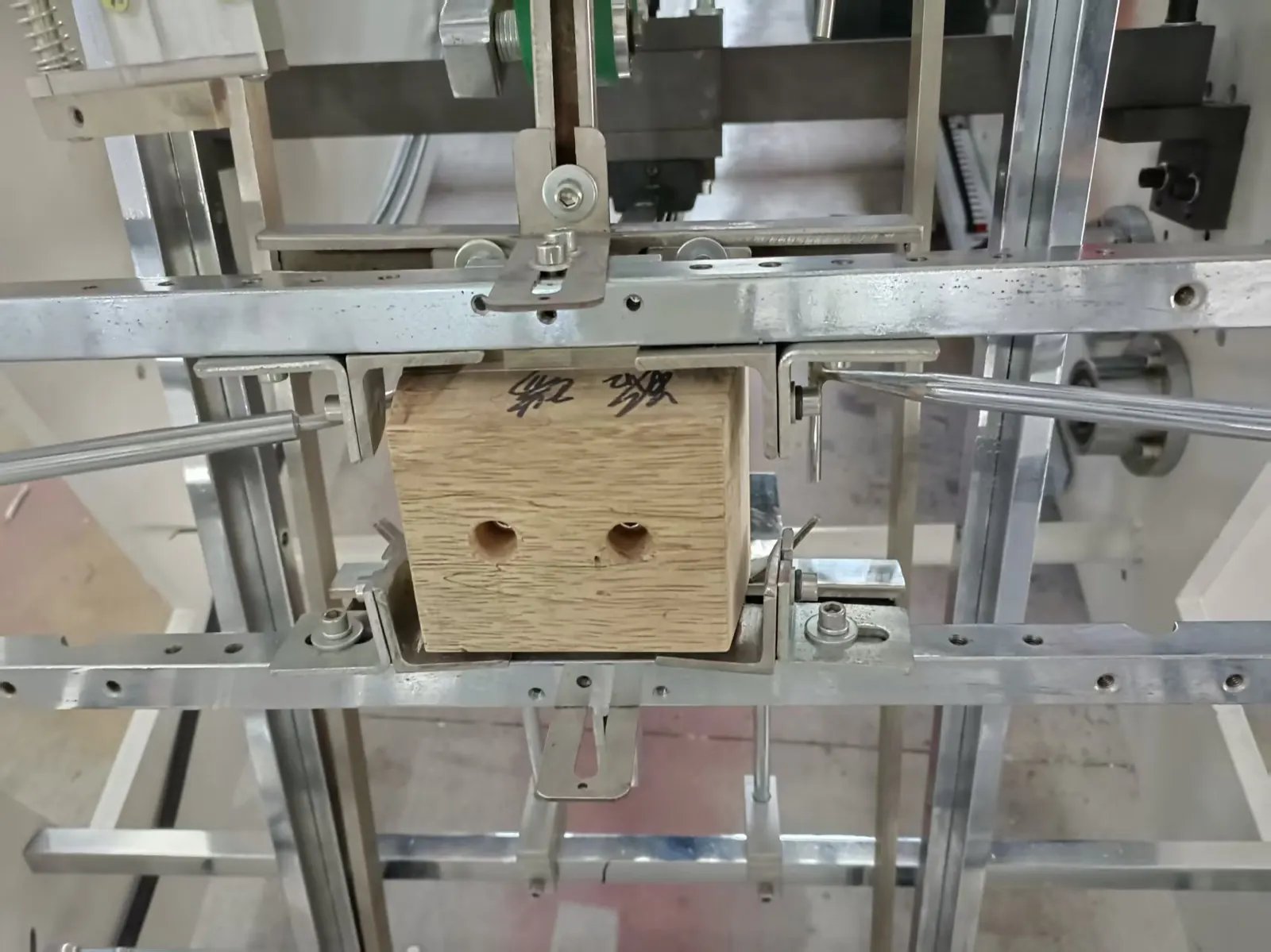
Preserve adhesive and thermal history
Record adhesive grade and lot, tank and hose model, zone setpoints, nozzle circuit, filter and production demand. Mark when the concern appears during cold warm-up, stable idle, normal carton rate, demand peak and planned shutdown. Include the operator observation, machine state, material or job identity and the last known acceptable production period. This prevents several different faults from being grouped under one general alarm or quality description.
Use a hot-melt condition table
| Observed condition | Evidence to collect | Diagnostic direction |
|---|---|---|
| Adhesive contains dark particles | Tank inspection, filter debris and adhesive history | Charring, contamination or excessive residence time |
| Hose zone recovers slowly | Actual temperature trend, heater output and demand timing | Heater, sensor, insulation or excessive flow |
| Bond changes after a long stop | Idle duration, purge evidence and first cartons | Thermal history or degraded material |
| Pressure falls at high demand | Pump state, filter condition and shot sequence | Restriction, supply or capacity mismatch |
| One nozzle circuit is cooler | Zone readings, hose routing and connector condition | Local heater, sensor or connection |
The diagnostic directions are possibilities to investigate, not confirmed causes. Compare observations with the actual circuit, tooling and component documentation before replacing a part or changing a setting.
Control hazardous energy and preserve references
Apply the site lockout and isolation procedure for electrical, pneumatic, vacuum, thermal, gravity and stored mechanical energy that applies to this equipment. Verify the zero-energy state before guards, terminals, tubing, tooling or drive components are accessed. Hot surfaces and charged electrical parts may remain hazardous after the machine stops.
Photograph connectors, tube routing, witness marks, adjustment positions, wiring labels and component orientation before disassembly. Qualified personnel should perform live electrical or pressure tests only when the approved diagnostic procedure specifically requires them and appropriate controls are in place.
Inspect the component in its complete load path
Keep adhesive identity and thermal history with the equipment evidence. Inspect tank level practices, lid condition, char, filter restriction, pump demand, hose insulation, connectors, sensor location and nozzle heating before changing application quantity.
Compare the affected component with the related adhesive delivery and nozzle maintenance guide before deciding that one observation identifies the cause.
Verify the repair in stages
Before power or pressure is restored, confirm tools are removed, connections are secure, guards are reinstated and the work area is clear. Use the documented manual, jog or slow-cycle test first, then progress through small controlled production stages while watching the original symptom and any secondary effect.
After authorized maintenance, document warm-up trend, stable zone values, pressure behavior and adhesive pattern on sequential cartons, then confirm fold compression and bond condition after the specified setting period. Do not release the machine based only on one acceptable cycle. Document the parts or service values changed, final observations, retained samples and the person authorized to return the equipment to production.
Can different hot-melt adhesives be mixed in the tank?
Only when the adhesive supplier and equipment documentation confirm compatibility; otherwise purge and changeover controls are needed.
Should char be scraped into the molten adhesive?
No. Follow the isolated cleaning procedure and prevent loosened contamination from entering the pump and hose.
Does the displayed temperature prove that the hose is uniform?
No. The display represents a sensor location; heater continuity, insulation and temperature evidence may still be required.
What evidence helps explain weak bonds?
Provide adhesive identity and history, zone trends, pressure behavior, application photos, carton material, compression timing and labeled samples.
Send the machine model, component identity, labeled samples, sequence video, inspection results and service history through our inquiry page. HANNAI can review the evidence against the delivered machine configuration.