A paper bowl machine buying guide should help you turn a container idea into a clear equipment requirement. “Soup bowl” or “salad bowl” describes an application, but it does not define the geometry, material, tooling or quality checks needed for forming.
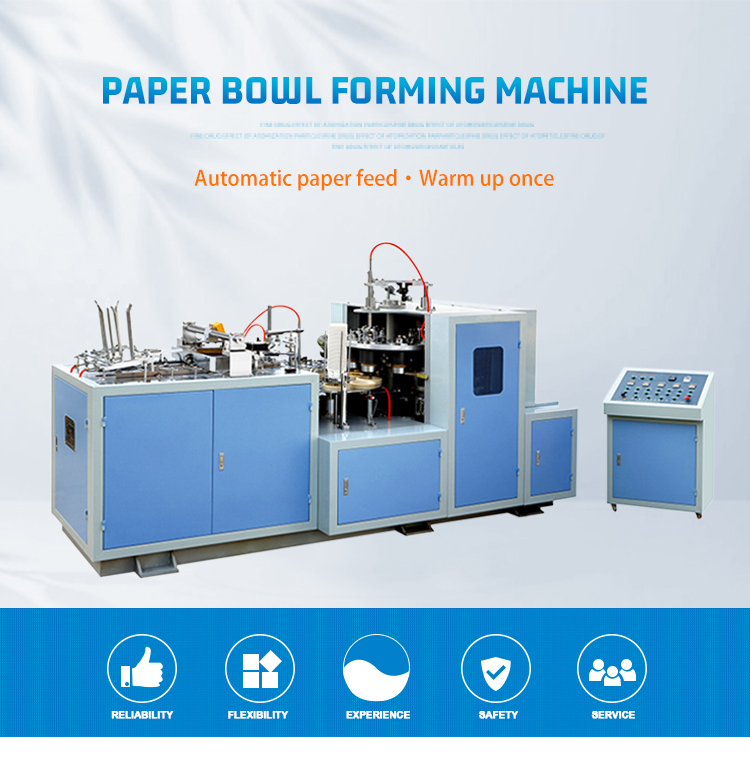
Begin with the finished bowl and its intended use. Then connect the sample to the blank, bottom material, mould plan, output requirement and packing workflow. This sequence reduces the risk of comparing configurations that serve different products.
Provide dimensions as well as nominal volume
Prepare top diameter, bottom diameter, height, taper and a sample or drawing. Include the rim profile and bottom construction where available. If the container uses a lid, identify the actual lid or the confirmed fit requirement.
Bowls sold with the same nominal capacity can have different shapes. A larger diameter or different taper can change the blank and mould discussion. Use the HANNAI paper bowl machine page as a starting point, then ask about your specific drawing and material.
Define the first bowl before future sizes
List the first commercial product, expected quantity and likely change frequency. Put later sizes in a separate expansion list so their mould requirements do not become confused with the starting purchase.
Ask which moulds and change parts are proposed for each bowl. Also discuss how a future shape would be evaluated. A machine application description is not confirmation that every bowl in your range can be produced with the same tooling.
Prepare one project sheet for suppliers
| Project area | Buyer information | What the supplier should clarify |
|---|---|---|
| Bowl geometry | Drawing and identifiable sample | Machine range and tooling proposal |
| Material | Paper, coating, blank and bottom stock | Required compatibility and sample checks |
| Rim and lid | Lid sample or confirmed requirement | Suitable forming and inspection discussion |
| Product mix | Initial size and later sizes | Mould scope and changeover planning |
| Output | Orders, shifts and packing format | Configuration and downstream handling needs |
| Factory | Utilities, space and destination | Installation preparation information |
Use the same version of this sheet for every supplier. When a requirement changes, identify the revision so a previous sample or quotation is not mistaken for the current proposal.
Connect material selection to bowl performance
Identify the paper specification, coating and intended food application. Explain the intended serving conditions and any customer requirements already defined. The supplier should assess the actual material and proposed forming configuration together.
Do not infer material suitability, recyclability or food-contact compliance from the machine name. Material documentation and applicable requirements belong in their own verification process. Retain the material identity used for sample testing so the result can be interpreted correctly.
Discuss the rim, bottom and lid together
A bowl can have an acceptable appearance while still failing the buyer's intended use. Agree which aspects of the sample matter: shape, rim condition, bottom integrity, lid fit, stacking and handling.
The test method should reflect the planned product and customer requirement. Ask the supplier to state the conditions used during evaluation and any remaining checks. Do not substitute a generic test duration or acceptance limit for an agreed specification.
Include upstream and downstream preparation
Confirm whether blanks will be purchased or prepared in-house. The blank and die cutting guide explains the questions that connect material preparation to forming, while the cup-versus-bowl machine guide helps separate equipment discussions for the two products.
After forming, identify inspection, counting, stacking and packing steps. Use the actual bowl and packing specification to assess handling. The output required at the end of the workflow should determine whether manual handling is sufficient or additional equipment needs discussion.
Agree the sample approval record
Record the bowl drawing, mould reference, material, proposed configuration and inspection method. Retain samples that represent the accepted condition, together with any defects or open questions requiring further work.
Review the quotation against that record. Included tooling, accessories, documents and support scope should correspond to the agreed product. If a test or supplier reply uses a different bowl, establish what that evidence can and cannot confirm.
Frequently asked questions
Is the bowl's ounce capacity enough to select equipment?
No. The capacity description should be accompanied by dimensions, construction details and a sample or drawing so the supplier can assess the geometry and tooling.
Should I send a lid sample?
Yes, when lid fit is part of the product requirement. Identify the lid and bowl together and agree how fit will be evaluated on the formed sample.
Can one mould produce different bowls?
That depends on the intended geometry and equipment. Ask the supplier to confirm the mould and change-part requirements for every planned size rather than assuming interchangeability.
What makes a sample approval useful?
A traceable product drawing, material identity, tooling reference and agreed inspection method. These details connect the accepted sample to the configuration being ordered.
Send your paper bowl requirement
Share the bowl drawing or sample, material, lid requirement, output plan and factory conditions through the HANNAI inquiry page. Identify the first production size and list future products separately.