Paper cup lot traceability connects incoming materials, forming conditions, inspection results and finished cartons. A finished date code alone may be too broad when several board lots, forming positions or packaging materials were used during one shift.
This guide supports genealogy design and investigation readiness. It does not impose a legal retention period or recall system. Apply customer, regulatory and quality-system requirements. Define who owns each record, how identifiers are synchronized and how long links remain retrievable after shipment.
Diagnostic decision table
| Traceability link | Record | Failure risk |
|---|---|---|
| Incoming to production | Supplier lot and issue time | Material cannot be narrowed |
| Machine to cups | Line, tooling, position and time | All shift output is treated alike |
| Inspection to product | Sample and disposition scope | Results cannot support release |
| Packing to shipment | Carton, pallet and destination | Affected product cannot be located |
Define traceability units and boundaries
Choose practical lot boundaries based on material, machine, tooling, time, changeover and risk. State what event opens and closes a lot. Avoid making every cup unique when records cannot sustain it, but do not use one daily lot when important changes occur within the day.
Map backward and forward questions: which inputs produced a carton, and where did output from one material lot go? Test both directions during design.
Capture incoming material identity at use
Record board, coating, ink, adhesive, bottom roll, bags and carton identifiers as applicable. Link warehouse issue and return quantities to production. Preserve supplier certificates without treating them as proof that the correct material was loaded.
At splices or lot changes, record time and transition handling. Mixed residual material may require an overlap window. Do not guess exact cup boundaries when the physical process cannot provide them; document the uncertainty.
Link machine, tooling and process events
Record line, model, tooling set, forming position, recipe revision, operator and significant stops or adjustments. Use synchronized clocks and controlled identifiers. Free-text names can make later joins unreliable.
Link quality samples to production time and position. A passing sample supports only its defined scope. Preserve holds, rework and disposition so genealogy does not jump directly from production to shipped status.
Carry identity through packing and dispatch
Connect cup stacks or bags to carton and pallet labels using the packing configuration. Record repacking, split pallets and merged orders. Verify barcode or label readability and database capture before relying on automation.
Prevent duplicate identifiers and uncontrolled manual relabelling. When labels are replaced, retain the relationship between old and new codes. Reconciliation should compare produced, scrapped, held and packed quantities.
Challenge the system with mock retrieval
Select a finished carton and trace backward to inputs, then select an input lot and trace forward to remaining inventory and shipments. Measure completeness and time without inventing missing links. Correct master-data and clock problems found.
Send HANNAI the machine and time boundaries when a complaint requires equipment review. Strong genealogy narrows evidence while product disposition and external communication remain with authorized quality personnel.
Related equipment and next checks
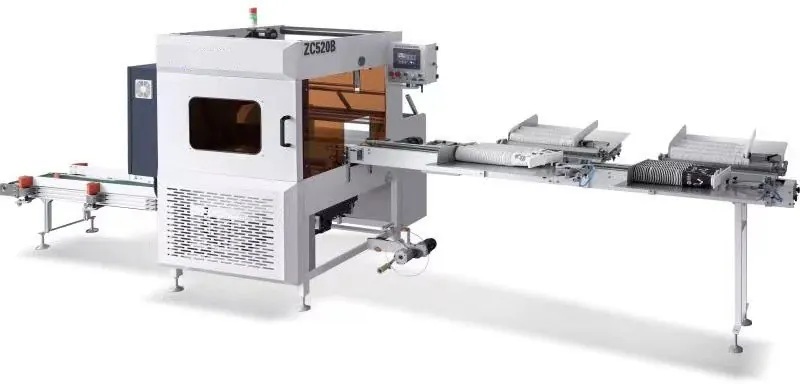
Review the paper cup packing machine and the related guide to batch traceability and complaint investigation. The Engineering Notes archive connects these checks with wider machine planning.
Frequently asked questions
Is a production date enough for traceability?
Only if it provides the resolution required by the process and risk.
How are material splices handled?
Record the event and any justified transition window.
Should inspection samples link to production time?
Yes, including forming position where relevant.
How is traceability tested?
Run backward and forward mock retrievals using real records.
Review the evidence with HANNAI
Send your machine model, component identification and the observations described in this guide. Include the drawing or material reference and any before-and-after measurements so the required next check can be identified.