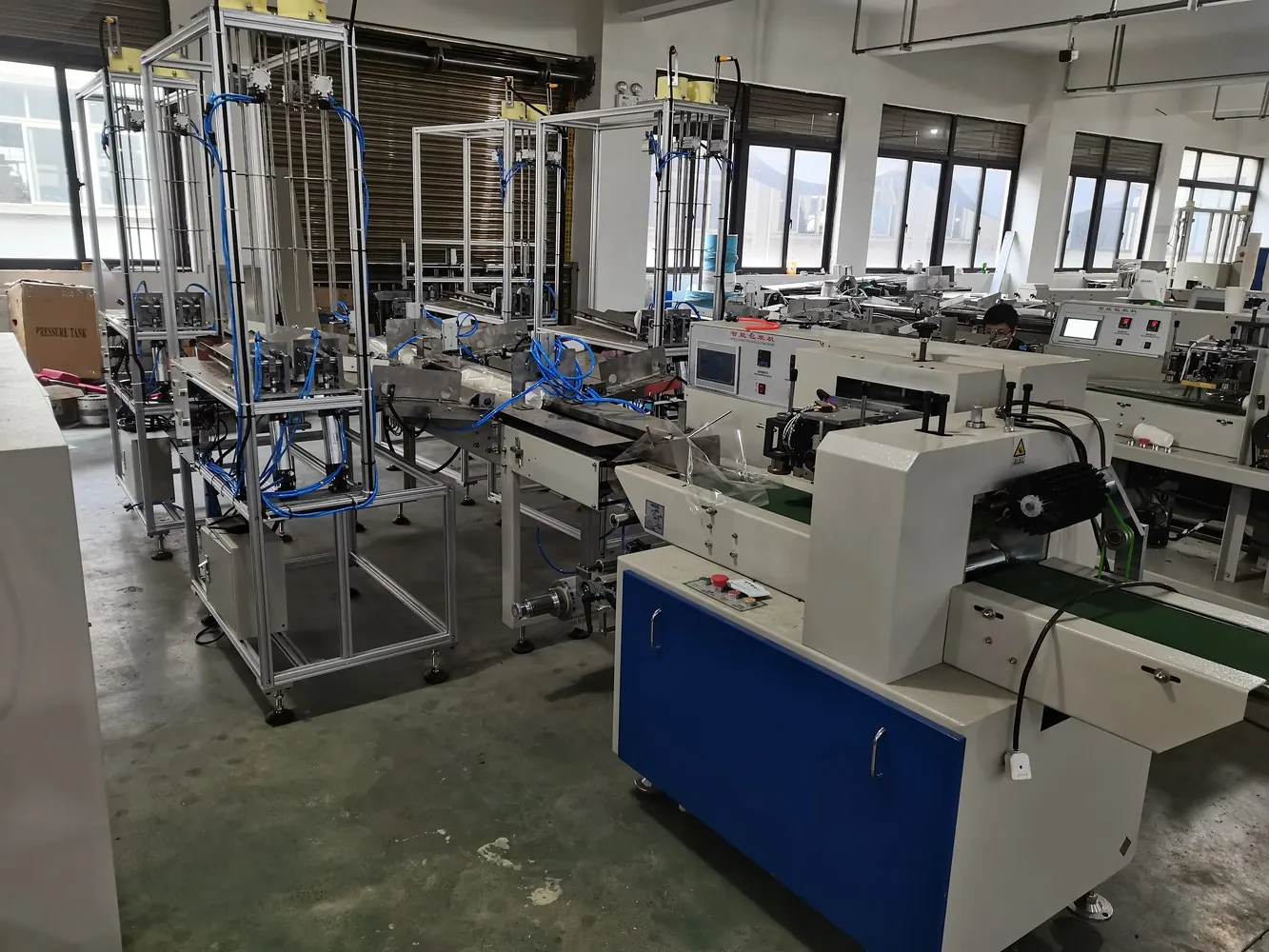
Paper cup collection counting troubleshooting should distinguish cups produced, cups physically collected, detected events and accepted saleable output. These totals can describe different boundaries. A counter discrepancy is therefore a reason to reconcile the process before changing a sensor or declaring a production loss. Define the job, counting interval and product-disposition rules first.
Define what the counter represents
Use the actual machine documentation to confirm the relevant counter and reset behavior. Record whether a display represents a motion cycle, a detected cup, a stack or another defined event. Do not assume that an output display automatically counts accepted finished cups.
Identify the production order, start and end boundary, planned stack arrangement and any rejected or retained samples. Use the production records guide to keep unit definitions consistent when comparing machine and packing records.
Follow physical movement through collection
Record where the first mismatch appears. A cup might be retained upstream, collected in an unexpected location, rejected under the quality procedure or counted differently after a reset. Preserve alarm and event context rather than reducing every discrepancy to a missed detection.
| Comparison boundary | Record required | Question answered |
|---|---|---|
| Defined production interval | Start/end and counter reference | Are the totals comparable? |
| Collection path | Safe observations and interruptions | Did cups reach the intended destination? |
| Rejected or held cups | Identified disposition counts | Were non-saleable cups excluded consistently? |
| Stack formation | Approved quantity and physical count | Does the stack match its record? |
| Packing handoff | Lot and accepted stack count | Was the same output transferred downstream? |
Use safe sampling and counting methods under the site's procedure. Do not retrieve cups from moving collection equipment or bypass protective devices to observe a detection point.
Investigate detection and handling separately
Qualified personnel should confirm the actual sensor, collection mechanism and relevant sequence documents before inspecting or adjusting them. A displayed count changing is an event observation; it is not proof that the physical collection function is correct.
For a detection concern, preserve the sensor troubleshooting record. For sticking cups or unstable stacks, compare the stackability inspection evidence. A good individual cup and a reliably separated stack are different product functions.
Record any authorized adjustment, component replacement or counter-configuration change. Keep original readings before resetting where the approved procedure permits. Unrecorded resets make later reconciliation difficult and should not be treated as harmless administrative changes.
Verify the downstream handoff
Run a controlled comparison using an identified interval and traceable product. Reconcile the defined counter with the relevant physical counts, samples and disposition records. State any estimate rather than presenting it as a measured quantity.
Check the packing troubleshooting guide if the discrepancy first appears after collection. Do not compare a machine counter at one boundary with packed output from a different period without accounting for retained work in progress.
Release the equipment and recorded output under the required function and product checks. If the totals remain uncertain, retain the discrepancy as an open action with a responsible person. Contact HANNAI with counter definitions, interval records and event evidence; review the equipment range when planning collection and packing interfaces.
Frequently asked questions
Is the displayed output necessarily the accepted cup count?
No. Confirm what the actual counter represents and reconcile rejects, samples, holds and work in progress within the same boundary.
Does a discrepancy prove a dirty sensor?
No. Compare physical movement, event detection, reset history and product disposition before assigning a cause.
Should counters be reset before reporting a fault?
Preserve relevant readings and event context under the approved procedure. Unrecorded resets can remove useful reconciliation evidence.
What makes a counting trial useful?
Use an identified interval, defined counter, physical sample counts and explicit treatment of rejects, holds and downstream work in progress.