A planned paper cup machine shutdown protects material, equipment condition and restart quality by assigning clear closeout, isolation, inspection and release steps.
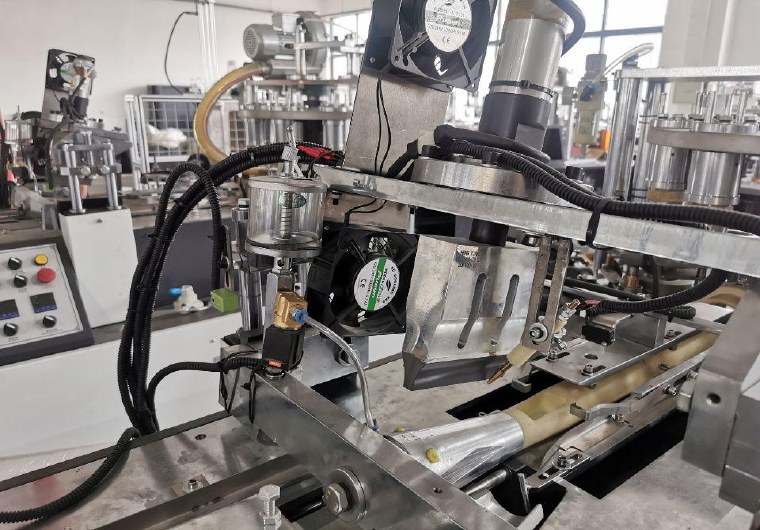
Classify the stop before preparing it
A normal end-of-shift stop, a planned extended shutdown and an emergency stop do not use the same procedure. Define the expected duration, reason, authorized roles, unfinished order status and restart owner before the final run.
Follow the machine manufacturer’s instructions and the factory’s energy-control rules. Only trained and authorized personnel should isolate, inspect, adjust or re-energize equipment.
Assign one shutdown coordinator
The coordinator confirms the production cut-off, material disposition, cleaning and maintenance scope, utility status, open actions and communication to affected teams. This role does not replace qualified electrical, mechanical, quality or safety responsibilities.
Use one checklist with names, completion times and exceptions. Verbal handover alone can leave hidden material, incomplete isolation or unresolved faults for the restart team.
Use a staged closeout and restart plan
| Stage | Shutdown check | Restart evidence |
|---|---|---|
| Production | Finish or identify order and work in process | Current order and cup revision confirmed |
| Material | Return, seal, label or quarantine balances | Approved material identity and condition |
| Cleaning | Remove cups, blanks, dust and approved waste | Line clearance and inspection completed |
| Maintenance | Record condition and complete planned tasks | Guards, tools and open actions checked |
| Utilities | Apply authorized stop and isolation sequence | Authorized reconnection and utility checks |
| Documents | Save approved settings and final records | Current setup and checklist available |
| Quality release | Identify last accepted production | First-good sample approved before release |
Close the production order visibly
Record the last accepted batch, final packed quantity, remaining work in process, rejected product and any product awaiting a decision. Identify cups or blanks left at inspection and packing stations so they cannot be mixed into a later order.
Reconcile formed, accepted and packed quantities using the factory’s normal definitions. Investigate unexplained balances before the team leaves.
Protect raw material and tooling
Identify cup fans, bottom paper and packing materials that will be returned, retained near the line or quarantined. Reseal and label approved material according to its storage requirements. Do not combine loose balances from different batches for convenience.
For a longer stop, review moisture, dust and physical-protection needs using the raw material storage guide. Store removed mould or change parts in their assigned condition and location.
Clean for the expected shutdown duration
Remove remaining cups, paper pieces, dust and waste using approved tools and methods. Include feed paths, forming areas, transfer points, inspection surfaces and the floor around the machine according to the factory plan.
Do not direct compressed air, liquids or chemicals into electrical, heating, bearing or sensing areas unless the approved procedure permits it. The cleaning and hygiene checklist helps define zones, methods and release responsibility.
Use the stop as a controlled inspection window
Record abnormal noise, heat, looseness, contamination, wear, leaks, sensor condition, guards and recurring alarms observed before stopping. Complete only tasks assigned to qualified roles and supported by the machine documentation.
List parts removed, tools used, guards opened and temporary labels installed. Any incomplete maintenance must remain visible on the restart checklist.
Apply safe isolation and preservation
Use the site’s authorized shutdown, lockout or equivalent energy-control process for electrical, pneumatic, thermal and stored-energy sources. A control-screen stop is not necessarily an energy isolation.
For an extended shutdown, the equipment supplier and factory should agree on protection against dust, moisture, corrosion, accidental impact and unauthorized access. Avoid improvised covering that traps moisture or blocks required ventilation.
Preserve approved settings and evidence
Keep the machine and mould identity, approved cup specification, setup reference, software or recipe revision where applicable, maintenance record, final event history and open-action list. Follow company access controls and do not place passwords in the shutdown record.
Photograph equipment condition only when permitted and safe. Images should support the record, not replace signed inspection and isolation evidence.
Inspect before reconnecting utilities
At restart, confirm the work area is ready, removed components are restored, tools and loose items are cleared, guards are in place and affected personnel have completed the required handover. Authorized roles should remove isolations and restore utilities in the approved sequence.
Check utility condition against project requirements rather than assuming the previous supply is unchanged. Escalate damage, moisture, pest, corrosion or tampering observations before starting.
Release with a controlled first run
Confirm the current order, material batches, mould, settings reference and inspection criteria. Run the documented preparation and initial checks, then produce and approve a first-good sample before normal output is released.
Use a short controlled run to observe feeding, forming, transfer, alarms, inspection and packing. Record the result using the pre-production sample approval checklist.
Review the shutdown after stable restart
Close remaining actions only after evidence shows the machine, product and support process are stable. Record material loss, extra cleaning, faults, missing tools or restart delays that could improve the next plan.
For repeat shutdowns, maintain a standard checklist but adjust it for stop duration, machine configuration, environmental conditions and maintenance scope.
Frequently asked questions
Is switching off the main control enough for a shutdown?
No universal answer applies. Use the machine instructions and the factory’s authorized energy-control procedure for every relevant energy source.
Should material stay on the machine during an extended stop?
Usually it should be removed, identified, protected or dispositioned according to the approved storage and line-clearance procedure.
What must be checked before the first restart run?
Confirm equipment condition, guards, tools, utilities, current documents, approved material, mould and settings, then complete the required first-good inspection.
When can normal production resume?
Resume after authorized restart checks are complete, the first sample is accepted and a controlled run shows stable forming, inspection and packing.
Send the machine model, cup range, expected stop duration, maintenance scope and utility conditions through our inquiry page. HANNAI can discuss configuration-specific preparation information.