Paper cup machine spare stock levels should balance recovery risk with cash, storage and obsolescence exposure. A minimum and maximum copied from purchase history can be misleading when installed population, supplier lead time, repairability or component revision has changed.
This article supports inventory review and does not prescribe quantities or reorder formulas. Confirm service level, supplier evidence, machine criticality and financial rules through the site process. Separate consumables, repairable items, insurance spares and obsolete stock. Record assumptions and review dates because availability and installed configuration can change quickly. Include stock at other sites only when ownership, condition and transfer time are verified. Reserve quantities for approved projects and open repairs. Count damaged, quarantined or unidentified material separately from usable on-hand stock. Document authorized exceptions, their accountable owner, next review date and formal expiry.
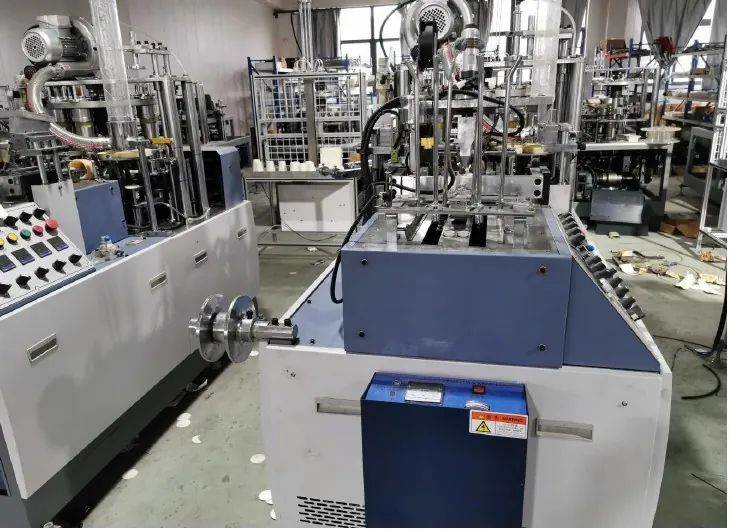
Diagnostic decision table
| Stock input | Evidence | Weak shortcut |
|---|---|---|
| Installed base | Compatible quantity and duty | Total machines |
| Demand | Failures, use and repair returns | Last year issues |
| Replenishment | Verified lead time and variability | Catalog promise |
| Holding risk | Ageing, revision and storage | More is safer |
Segment the spare population
Classify wear items, routine service parts, critical insurance spares, repairables and common commercial items. Link each to compatible machine revisions and functional locations. Separate identical-looking parts with different ratings or firmware.
Do not apply one formula to every category. A frequently used seal and a proprietary controller need different decisions. Identify whether an item is consumed, repaired, rotated or held only for high-consequence recovery.
Validate demand and failure exposure
Review issues, installations, diagnostic use, returns, failures and operating exposure. Correct duplicate withdrawals and items taken without work-order links. Consider the number of compatible installed positions and common-cause failure potential.
Sparse demand does not mean zero risk. Conversely, high issue volume may indicate poor troubleshooting or unrecorded returns. Use failure modes and repair findings to interpret transactions.
Assess replenishment and recovery options
Confirm supplier lead time, order quantity, transport, customs, repair service, approved alternatives and emergency support. Use current written evidence and include variability. Review whether a failed component can be repaired before another failure occurs.
Do not treat online availability as assured supply. A listed part may be used, counterfeit or incompatible. Validate successor parts and system conversion before counting them as recovery options.
Balance minimum, maximum and ageing
Set minimum protection from credible demand during replenishment and maximum exposure to cash, deterioration and obsolescence. Include packaging, batteries, seals, lubricants, electronics and calibrated assemblies where storage affects condition.
Review pooled stock only when logistics can deliver within the required recovery time. Record reservations for planned shutdowns so available quantity is not overstated.
Monitor policy performance
Track stockouts, emergency purchases, unused ageing stock, repair turnaround, substitutions and items issued without installation. Review after failures, machine additions, redesigns and supplier notices. Reconcile physical and system quantities.
Send HANNAI the machine identities, part revisions and recovery assumptions when compatibility or lifecycle support needs confirmation. Stock level is a risk decision, not a guarantee of uptime.
Related equipment and next checks
Review the paper cup production line and the related guide to paper cup machine critical spare storage. The Engineering Notes archive connects these checks with wider machine planning.
Frequently asked questions
Can past consumption alone set minimum stock?
No. Add consequence, installed base and replenishment risk.
Is online availability reliable lead-time evidence?
No. Confirm source, condition and compatibility.
Should planned-shutdown parts count as available?
Reserve them so operational availability is not overstated.
When should levels be reviewed?
After failures, configuration, population or supplier-status changes.
Review the evidence with HANNAI
Send your machine model, component identification and the observations described in this guide. Include the drawing or material reference and any before-and-after measurements so the required next check can be identified.