Paper cup manufacturing plant cost is not one machine price. A useful budget separates forming equipment, upstream preparation, packing, utilities, factory work and production cash needs.
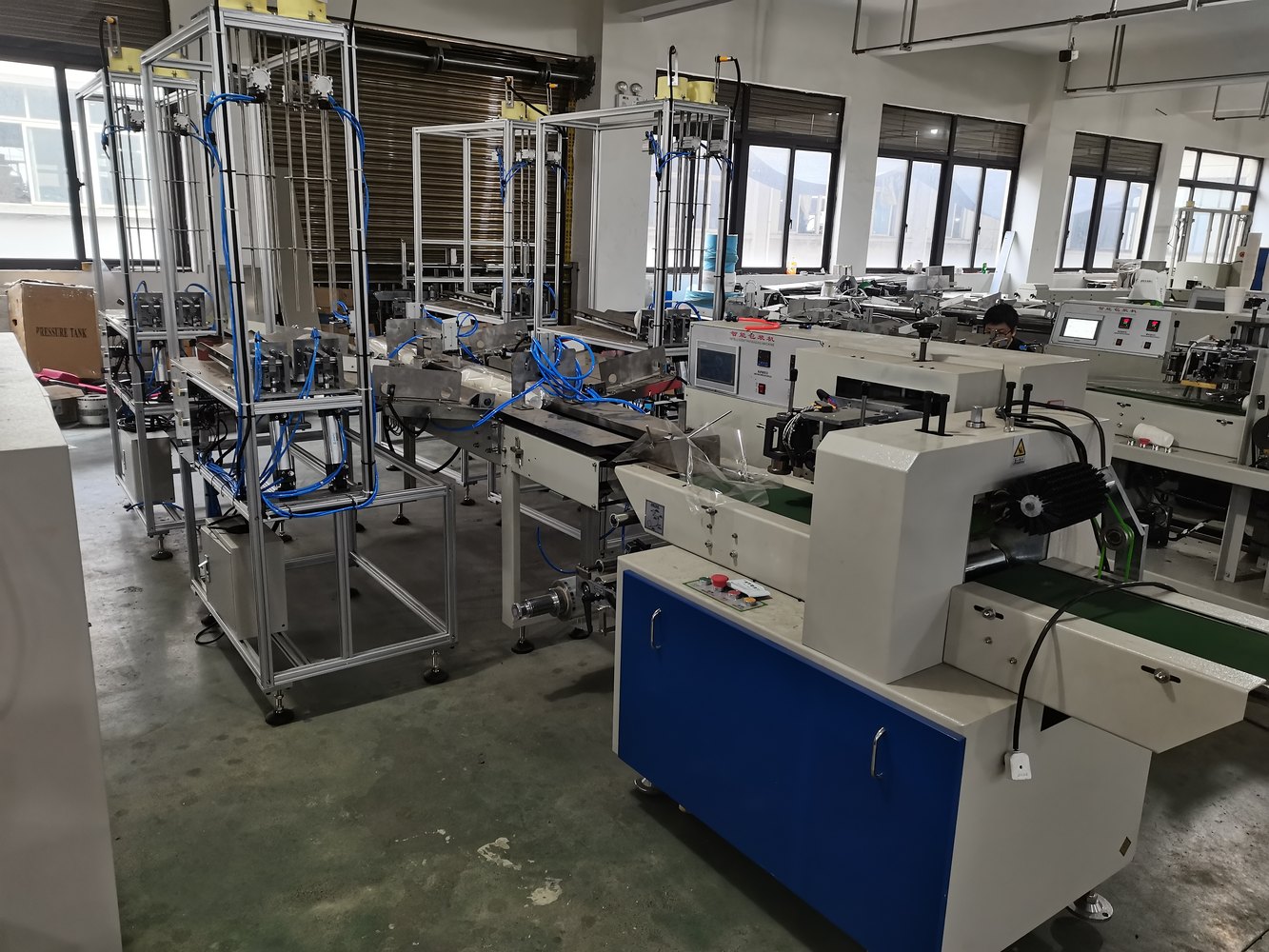
Define the production scope before estimating plant cost
Two paper cup factories can have very different investment requirements even when they make cups of a similar size. One project may buy printed and die-cut cup blanks and begin with cup forming only. Another may plan printing, die cutting, forming, collection and packing inside the same factory.
Start by defining the finished cup, expected daily output, paper material, cup range, printing requirement, packing method and factory location. These decisions determine which processes belong inside the first project and which can remain outsourced until demand becomes stable.
If the production scope is still unclear, review the small paper cup production project checklist and the paper cup production line overview before asking suppliers for figures.
Separate the budget into practical cost groups
| Cost group | Typical items to discuss | Main planning question |
|---|---|---|
| Cup forming | Forming machine, agreed moulds, collection and basic tools | Which cup range and output target must the first machine support? |
| Blank preparation | Printing, die cutting, paper rolls or purchased cup fans | Will blanks be produced internally or purchased from a converter? |
| Finished-cup handling | Counting, inspection, sleeve or bag packing and carton handling | How much packing work will remain manual? |
| Factory utilities | Power distribution, compressed air, ventilation and lighting | What must be prepared before installation? |
| Site and logistics | Floor work, storage, unloading access and machine positioning | Can the building receive and operate the equipment safely? |
| Startup and working capital | Paper, ink or printed blanks, cartons, labor, samples and trial production | How long can the factory operate before customer payments arrive? |
Decide whether to buy printed blanks or make them in-house
A forming-only project can reduce the number of machines required at startup, but the buyer then depends on an outside supplier for printed and die-cut cup fans. Compare the minimum order quantity, print lead time, material consistency, transport cost and storage requirement of purchased blanks.
Internal printing and die cutting can provide more control over artwork changes and material flow, but they add equipment, operators, floor space, waste control and maintenance responsibilities. The correct decision depends on order volume, design variety and the reliability of local blank suppliers—not only on the purchase price of the equipment.
Match forming equipment to demand, not maximum speed
A higher nominal speed does not automatically create a lower production cost. The machine must match the cup size, paper condition, mould plan, operator capability and actual order volume. If demand is uncertain, unused capacity can increase depreciation and cash pressure without improving sales.
Estimate sellable output from planned running hours, changeovers, cleaning, material loading, inspection and expected interruptions. Use the paper cup machine production capacity guide to convert the production target into a more realistic machine requirement.
The HANNAI product range includes different paper cup forming and supporting equipment options. Final configuration should be discussed from the cup specification and factory plan.
Include utilities and factory preparation
Machine quotations do not represent the full installed project cost. Confirm local voltage and frequency, required compressed air, cable and protection requirements, machine access, floor condition, ventilation, material storage and finished-product flow.
Factory preparation may also include an unloading route, lifting support, foundations or leveling work, worktables, quality-check tools and safe operator access. A layout review before shipment helps prevent expensive changes after the machines arrive. See the factory layout and utility planning guide for a structured checklist.
Budget for moulds, changeovers and product range
Each planned cup should be confirmed by dimensions and sample or drawing. Do not treat “8 oz” or “12 oz” as a complete mould specification because rim diameter, bottom diameter, height and cup shape can differ.
Include the initial mould set, future mould additions, changeover tools, setup time and sample validation in the budget. A wide product range may require more mould investment and more production planning than a factory focused on one or two stable cups.
Keep startup materials and working capital visible
The plant must purchase paper or blanks, bottom roll, packing materials and cartons before finished cups can be delivered. Trial runs and artwork approval may consume material before commercial production begins. Labor, electricity, rent, transport and local compliance costs continue during this stage.
Create a separate working-capital line instead of using the entire budget for machines. The amount depends on local supplier terms, customer payment terms, inventory policy and the time needed to reach stable production.
Compare quotations on the same project boundary
Ask every supplier to state what is included, optional and excluded. Record machine model, mould quantity, accessories, spare parts, documents, packing, freight terms, commissioning and training responsibilities. Compare the total confirmed scope instead of comparing only the first number on each quotation.
Our paper cup machine quotation guide explains how to organize the equipment quotation after the wider plant budget has been defined.
Frequently asked questions
Can a buyer calculate paper cup plant cost from machine price alone?
No. The plant budget should also include blank preparation or purchasing, moulds, packing, utilities, factory preparation, logistics, startup material and working capital.
Is a forming-only startup always cheaper?
It usually requires fewer production processes, but the buyer must compare the ongoing cost, lead time and supply risk of purchased printed cup blanks.
Should the first project include a complete production line?
Only when order volume, product variety, local supply conditions, operator capability and available capital support the additional processes. A staged project can be more practical for uncertain demand.
What information is needed for a useful equipment budget?
Prepare cup samples or dimensions, paper material, expected output, cup range, printing plan, packing requirement, voltage, factory condition and destination country.
Send your cup specification, target output, material plan, factory voltage and the processes you want to operate in-house through our inquiry page. HANNAI can help organize the equipment scope before quotation.