A paper cup printing machine should be selected from the artwork, material, print area, order quantity and downstream cutting workflow—not from a sample image alone.
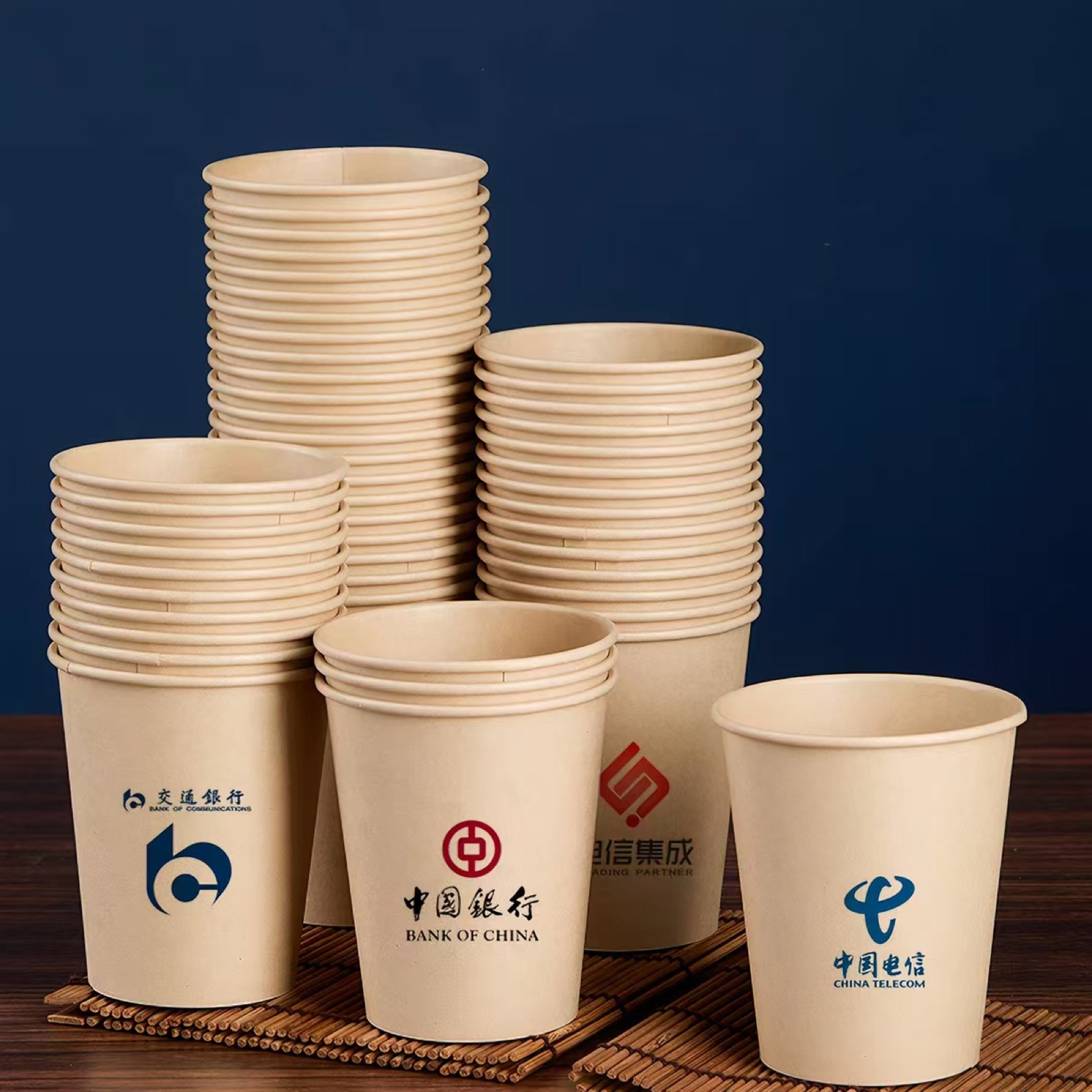
Begin with the printed paper cup product
Printing equipment is part of a production workflow. Before comparing machines, identify what will be printed, the material format supplied to the printer and what must happen after printing. A buyer producing short custom runs may have a different requirement from a factory repeating a small number of high-volume designs.
Prepare finished-cup samples, cup fan dimensions, material type and thickness, artwork files, expected colors, print coverage, order quantities and required delivery time. If printing food boxes or other paper packaging as well as cup fans, list those applications separately.
Buyers evaluating short-run custom work can review the HANNAI digital paper cup printing machine page before preparing a project inquiry.
Use one printing brief for every supplier
| Information to prepare | Why it matters | Evidence to request |
|---|---|---|
| Artwork and color reference | Defines design complexity, coverage and expected appearance | Relevant printed sample and agreed file requirement |
| Material | Print behavior depends on the actual paper or coated stock | Material compatibility discussion and sample test plan |
| Print size and layout | Determines whether the application fits the printable area and downstream cutting plan | Confirmed artwork position and finished blank dimensions |
| Order quantity and design count | Influences setup frequency, production organization and suitable printing route | Workflow explanation for one design and frequent design changes |
| Quality requirement | Defines acceptable color, registration, surface and repeatability | Sample acceptance method and inspection points |
| Downstream process | Printed material still needs blank cutting and cup forming | Marking, cutting and forming workflow confirmation |
Match the printing route to run length and design variety
Short runs with many artwork changes place a high value on flexible file handling and reduced change preparation. Repeated long runs may place more emphasis on stable production organization and the cost of running the same design at scale.
Do not select a route from the word “digital” or “conventional” alone. Compare the real order mix: average quantity per design, number of designs per week, approval process, material range and delivery schedule. A factory may use different printing routes for sample work, short custom orders and stable large-volume programs.
Confirm the actual material and printable surface
Paper cup projects can use different paper, coatings and surface conditions. The supplier should review the actual material rather than assume that every “paper cup fan” behaves the same way. If possible, arrange a sample test using the buyer’s material or a clearly identified equivalent.
Record which side will be printed, how the blank will be oriented and whether any sealing or forming area must remain controlled. Finished appearance should be evaluated after downstream cutting and forming when those processes can affect the visible result.
Check artwork preparation and color expectations
Confirm accepted file formats, color references, image resolution, font handling, bleed, cup-fan distortion and approval responsibility. Curved cup surfaces can make artwork placement different from a flat rectangular design.
Define how a sample will be approved and which differences are acceptable. A screen preview is not the same as a printed material sample. For branded projects, retain an approved reference so later batches can be compared against the same target.
Connect printing to die cutting
Printed sheets or rolls must become correctly shaped cup blanks. The print layout, registration marks, blank nesting and cutting method should be discussed together. A printing plan that ignores the cutting layout can create excess trim waste, incorrect artwork position or inefficient material use.
Review the die cutting machine page and the paper cup blank and die cutting guide when the project will produce cup fans internally.
Verify sample output before confirming the order
Agree on the test file, material, print size and inspection method. Check visible color, text clarity, image position, surface condition and consistency across the sample set. If the printed material will be die-cut and formed during the evaluation, record the full route and identify where any defect began.
A useful sample record should identify the machine or configuration, file version, material, test date and open actions. This makes later changes easier to control than relying on photographs without production context.
Plan the working environment and operator process
Discuss power, temperature and humidity expectations, clean material storage, file management, operator training and routine cleaning. Printing quality can be affected by material condition and inconsistent handling even when the equipment is operating normally.
Define who prepares files, approves samples, loads material, checks output and transfers printed work to cutting. Clear responsibility reduces delays when many customer designs are active at the same time.
Frequently asked questions
What should I send to a paper cup printing machine supplier?
Send artwork, cup fan dimensions, material details, print coverage, order quantity per design, expected design changes and the downstream cutting method.
Is digital printing suitable for every paper cup order?
No single printing route fits every order mix. Compare design variety, run length, material, quality expectation, operating cost and delivery schedule.
Why must die cutting be discussed with printing?
The print must be positioned correctly on the final cup blank. Layout, registration, nesting and cutting accuracy affect material use and the appearance of the formed cup.
Can a buyer approve printing from a photo?
A photo can support communication, but important projects should use an identified physical sample and agreed inspection criteria whenever practical.
Send your artwork, material, cup fan size, quantity per design and downstream cutting plan through our inquiry page. HANNAI can discuss a printing and blank-preparation workflow around the actual project.