Paper cup production line bottleneck analysis identifies the process constraint that limits stable accepted output, rather than judging performance from the forming-machine counter alone.
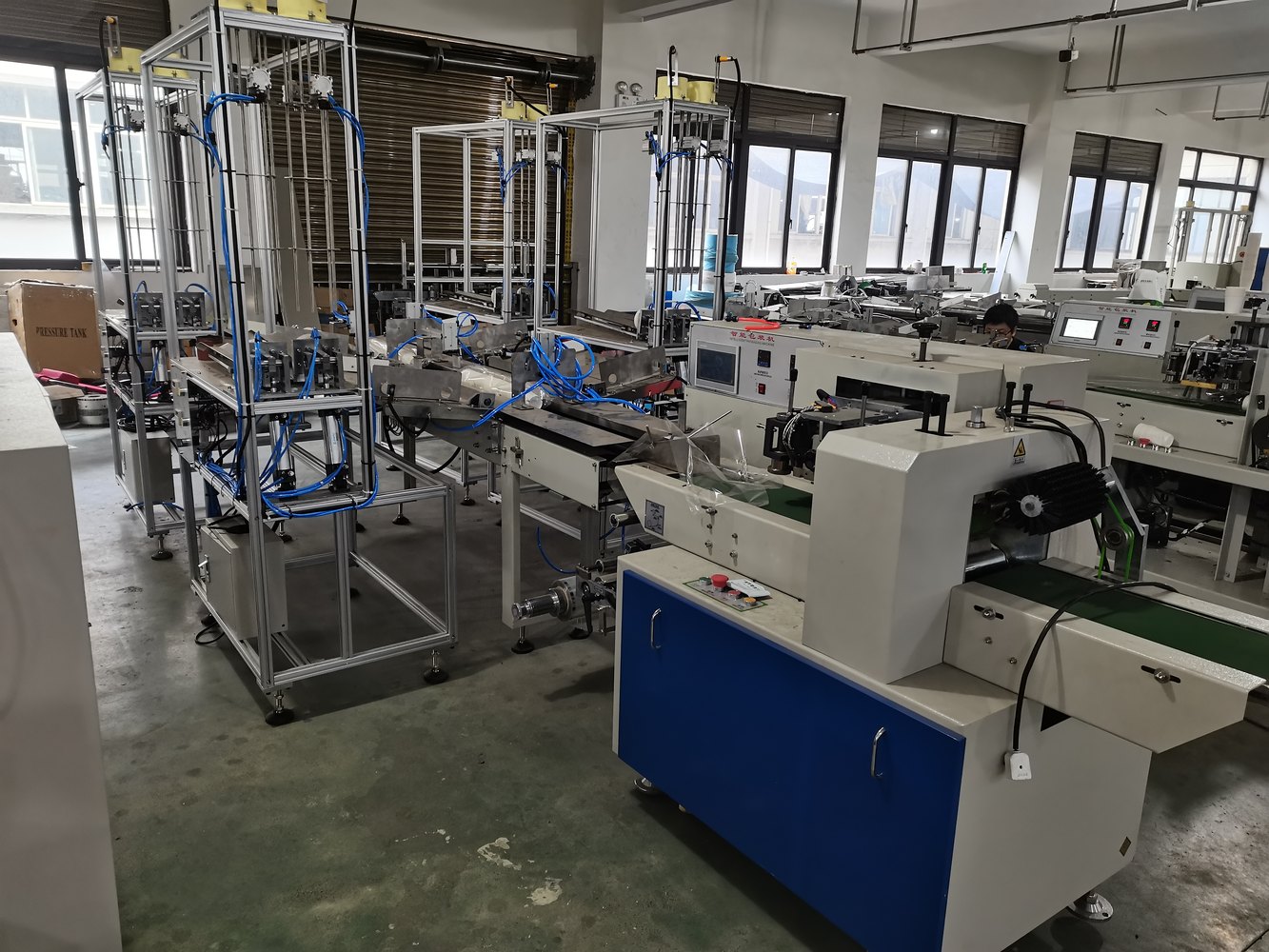
Measure the whole line, not one machine
A paper cup former may run near its planned setting while accepted packed output remains below the production target. Material waiting, short stops, inspection delays, rejected cups, packing congestion or changeover losses can constrain the complete system.
Bottleneck analysis starts with a defined product, shift and acceptance standard. It then compares flow at each stage using the same time window. The goal is to find the current constraint, test a controlled improvement and confirm that the gain reaches finished goods.
Map the production flow and evidence
| Flow stage | Useful measure | Possible bottleneck signal |
|---|---|---|
| Material staging | Availability, batch readiness and replenishment delay | Former waits or changes material unexpectedly |
| Cup forming | Run time, speed context, microstops and rejects | Repeated stops or low accepted output at the source |
| In-process inspection | Sampling time, hold quantity and response delay | Good product waits for a decision or defects continue too long |
| Counting and packing | Accepted cups packed per interval and backlog | Cups accumulate, jam or require extra manual handling |
| Carton handling | Carton, label and pallet availability | Packed units wait or the packing station repeatedly stops |
| Changeovers | Last-good to first-approved-good time | SKU transitions consume excessive planned time |
| Maintenance and utilities | Downtime events and pressure or power condition | Recurring technical or supply interruptions reduce flow |
Define the output that matters
Use accepted cups or accepted packed units over a defined period. A gross machine count can include startup pieces, inspection samples, rejects or cups waiting downstream. Record the target, product specification, material, shift length, planned stops and quality rules so comparisons remain fair.
The capacity calculation guide explains why rated speed, practical output and saleable output are different planning values.
Observe consistent time intervals
Divide a representative run into consistent intervals, such as the factory’s normal hourly reporting period. At every interval, record forming count, accepted count, packed quantity, work in process, rejects and stop minutes. Add the time and location of each significant event.
Use shared definitions from the production record and KPI guide. If one operator records a microstop and another ignores it, the apparent bottleneck can change with the person rather than the process.
Look for starvation and blocking
Starvation means a stage cannot work because input is unavailable. A forming machine may wait for prepared paper, or packing may wait for approved cups. Blocking means output cannot move forward because the downstream stage is full or stopped.
Record both the stopped stage and the upstream or downstream cause. Calling every event “machine downtime” hides whether the constraint belongs to equipment, material supply, inspection or packing.
Separate speed loss, stops and rejects
Three lines can produce the same low accepted output for different reasons: one runs slowly, one loses time through frequent stops, and one runs continuously but rejects too many cups. Improvement actions should match the loss mechanism.
Do not increase speed before quality and downstream flow are stable. A faster counter can create more backlog or waste without increasing accepted packed output.
Check the packing constraint
Observe cup transfer, counting, bag preparation, sealing, labeling, carton supply and removal of finished packs. Track work-in-process accumulation at the beginning and end of the interval. A growing queue before packing indicates that the downstream capacity is below the incoming accepted flow.
Use the paper cup packing machine guide when evaluating automation, but first confirm the package format, count accuracy, labor method and real product mix.
Rank losses with a simple Pareto review
Group lost time and rejected output into a small number of verified causes, then rank them by total impact. Use evidence from production, quality and maintenance rather than assigning a cause from the alarm name alone.
Start with the largest controllable constraint. Many small improvements outside the bottleneck may make work easier but leave total line output unchanged.
Test one controlled change at a time
Examples include changing replenishment timing, clarifying quality response, balancing packing work, preparing cartons earlier or correcting a recurring technical stop. Define the expected effect, responsible person and observation period before the test.
Keep product, material and acceptance rules as consistent as practical. If several changes are introduced together, it becomes difficult to know which one produced the result.
Verify that the constraint has moved
After an improvement, compare accepted packed output, backlog, rejects and stop time across a sustained representative run. The former bottleneck may improve while a new downstream or upstream constraint becomes visible.
This is normal. Bottleneck management is a repeating process: identify the current constraint, protect it from avoidable loss, improve it and measure the whole flow again.
Include changeovers and SKU mix
A line that performs well on a long run may miss the weekly plan when frequent cup changes, material changes and approvals consume time. Compare by product family and include the real schedule rather than extrapolating one stable trial.
The production scheduling and SKU mix guide can help separate equipment capacity from the time cost of the product plan.
Frequently asked questions
Is the paper cup forming machine always the bottleneck?
No. Material preparation, inspection, packing, carton handling, changeovers, utilities or maintenance events can limit the complete line.
Which output should be used in bottleneck analysis?
Use accepted packed output over a defined period, supported by gross count, rejects, work in process and downtime evidence.
Does a queue always identify the bottleneck?
A persistent growing queue before a stage is a useful signal, but confirm it with capacity, downtime and quality evidence. Temporary buffers can also reflect planned batch flow.
How often should the line be reviewed?
Review after product, material, staffing, equipment or schedule changes and whenever accepted output, backlog or loss patterns move materially.
Send your cup range, target accepted output, shift pattern, packing method and current loss observations through our inquiry page. HANNAI can discuss machine configuration and line-flow considerations.