Paper cup quality data integrity means records remain attributable, readable, contemporaneous, original or traceable to the source, and accurate enough for the decision. A clean spreadsheet is unreliable when missing results, overwritten values or undocumented exclusions cannot be reconstructed.
This article is a general manufacturing quality framework, not regulatory or information-security certification guidance. The organization must define applicable record, privacy, validation, retention and access requirements.
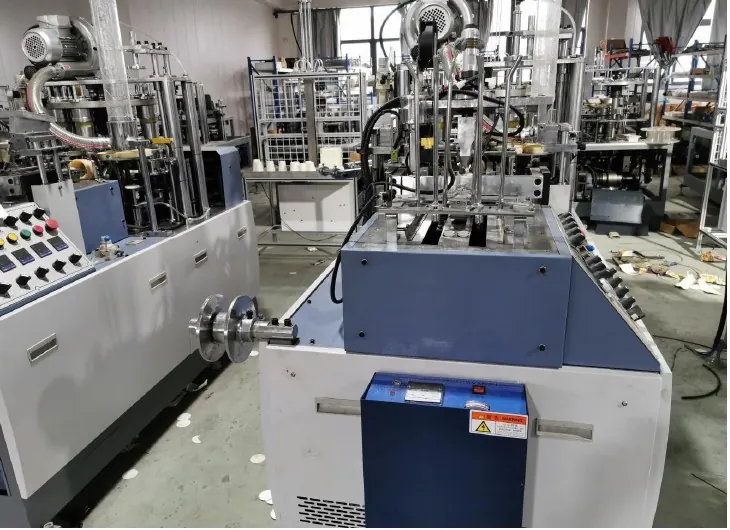
Diagnostic decision table
| Data risk | Control | Review question |
|---|---|---|
| Result overwritten | Preserve original and reason | What changed and why? |
| Shared login | Individual attribution | Who performed the action? |
| Late transcription | Time and source link | When was result observed? |
| Selective exclusion | Predefined invalid rule | Which results are missing? |
Map the data lifecycle and decision
For each inspection or process record, identify where the observation originates, who records it, how it is transferred, calculated, reviewed, approved, retained and retrieved. Link the record to product lot, machine, method, instrument and specification revision.
Focus controls on decisions such as setup release, lot acceptance, containment and corrective-action verification. A value copied through several files can lose context. Maintain a clear source and avoid duplicate unofficial worksheets that become competing records.
Make entries attributable and contemporaneous
Use individual identity or controlled signatures rather than shared accounts. Record results when work occurs, with date and time synchronized to production events. If temporary paper capture is necessary, control the form and retain it after verified transcription.
Do not prefill passing results or reconstruct them from memory at the end of a shift. Distinguish the person performing the test from the reviewer. Automated machine values should retain source, timestamp and configuration rather than appearing as manually generated conclusions.
Preserve raw data and controlled corrections
Keep individual readings, images, curves, classifications and invalid-test reasons needed to reproduce the reported result. Protect formulas and units. When a correction is required, retain the original entry, corrected value, person, time and reason.
Repeated measurements require a predefined rule. Do not delete an unfavorable result and keep only a passing retest. Link every repeat to the initial observation and investigation so reviewers can judge measurement error, product variation and decision validity.
Control access, calculations and audit trails
Give users the access needed for their role and review privileged changes. Validate important spreadsheet formulas, software calculations and data interfaces for intended use. Lock approved templates and revisions while allowing controlled correction through the defined process.
An audit trail should help reconstruct creation, change, review and approval of critical records. Review it according to risk and before the associated release where required by the local system. A log is useful only when reviewers understand and act on unexpected changes.
Review completeness and investigate signals
Reconcile planned samples with recorded results, including failures and invalid tests. Look for missing timestamps, repeated identical values, late entries, unexplained edits and gaps around process events. Investigate evidence without assuming misconduct; poor interfaces and unclear procedures can also drive weak records.
Send HANNAI traceable machine and measurement data when technical diagnosis is requested. Preserve original files and explain transformations. Reliable data supports a focused equipment review while product decisions remain with authorized quality personnel.
Related equipment and next checks
Review the paper cup production line and the related guide to paper cup quality data rounding rules. The Engineering Notes archive connects these checks with wider machine planning.
Frequently asked questions
Can a corrected value replace the original?
Retain the original, correction, person, time and reason.
Are shared logins acceptable for attribution?
Use individually attributable access for controlled quality actions.
Should failed retests be retained?
Yes. Preserve the full sequence and the applicable decision rule.
Does an audit trail review every trivial action?
Define review scope and frequency according to record risk.
Review the evidence with HANNAI
Send your machine model, component identification and the observations described in this guide. Include the drawing or material reference and any before-and-after measurements so the required next check can be identified.