A paper cup machine maintenance work order should close only when the completed scope, machine condition, configuration and verification evidence are clear. Administrative completion without technical closeout can hide repeat defects, missing parts records and unfinished monitoring from the next shift.
This guide supports maintenance record quality. It does not replace site safety release, quality approval or the manufacturer’s service instructions. Define required signatures and evidence according to the task consequence and installed configuration. Retain timestamps, responsible roles and linked records so a later reviewer can reconstruct the decision without relying on personal memory.
Diagnostic decision table
| Closeout element | Evidence to retain | Weak closeout |
|---|---|---|
| Requested scope | Original problem and boundary | Task completed |
| As-found condition | Measurements, alarms and photographs | No fault found |
| Work performed | Parts, settings and actual steps | Repaired |
| Verification | Functional and product results | Machine runs |
Confirm the original request and actual scope
Review the reported symptom, affected function, machine position and operating context. Record whether the problem was reproduced and whether the work expanded or narrowed after inspection. Link any approved scope change instead of rewriting the original request.
Separate corrective work, inspection, cleaning and improvement. If an observation belongs to another asset or future task, create a traceable follow-up. Closing one order must not make unresolved work disappear.
Preserve the as-found evidence
Record alarms, defect samples, measurements, photographs, damaged-part identity and relevant operating conditions before evidence is lost. State when the reported condition could not be reproduced and what checks were completed.
Avoid generic notes such as adjusted or tested. A later reviewer should understand what was observed, which method was used and what uncertainty remains. Retain replaced components when failure analysis or supplier review requires them.
Document the physical and digital change
List parts, revisions, serial context, wiring changes, mechanical adjustments, software versions, parameter changes and temporary controls. Compare the final configuration with approved drawings and backups. Record approved substitutions and their technical basis.
Do not copy the planned job into the completion field when execution differed. The actual record must support future compatibility, spare planning and recurrence analysis. Update controlled documentation through the site process.
Attach verification and release evidence
Identify inspections, no-load checks, functional challenges, first-piece results and monitoring conditions. Record actual results and acceptance authority. A successful start does not prove every disturbed interface is correct.
Where verification continues during production, name the owner, sample or observation frequency, end condition and escalation route. Keep the work order open or linked to the monitoring action until the approved closeout rule is met.
Capture learning and unfinished risk
Code failure mode and cause only to the confidence supported by evidence. Link repeat events, supplier recommendations and corrective actions. Record missing evidence rather than selecting a convenient cause to complete the form.
Review whether job instructions, spares, training or preventive tasks need revision. Send HANNAI the machine identity, as-found condition, actual change and test evidence when supplier input is required.
Related equipment and next checks
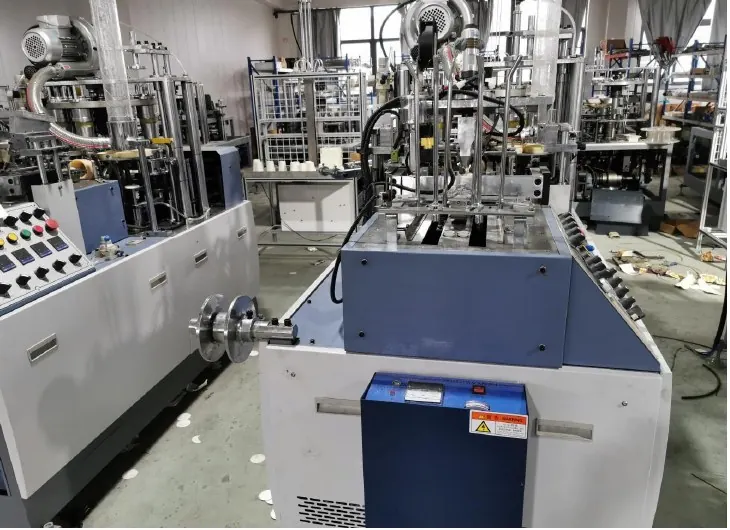
Review the HN-M100 automatic paper cup machine and the related guide to paper cup machine repair history records. The Engineering Notes archive connects these checks with wider machine planning.
Frequently asked questions
Can a work order close when the machine restarts?
Only after required configuration, function and product evidence is accepted.
What if the fault was not reproduced?
Record the checks, conditions and uncertainty without inventing a cause.
Should planned work text be copied into completion notes?
No. Record what was actually done.
How are unfinished actions controlled?
Create linked owners, dates, monitoring and escalation requirements.
Review the evidence with HANNAI
Send your machine model, component identification and the observations described in this guide. Include the drawing or material reference and any before-and-after measurements so the required next check can be identified.