A paper cup machine maintenance audit should test whether records, physical condition and operating evidence agree. Reviewing only completed work-order signatures can miss wrong parts, undocumented settings, open temporary repairs and verification that was never performed.
This guide supports internal audit design and does not define legal, certification or customer-audit requirements. Use competent independent reviewers and protect safety, production and confidential information. Scale samples to risk and known weaknesses. Audit findings should describe evidence and system impact rather than assign unsupported blame. Agree access, escorts and production windows before field verification. Retain sample lists, versions and objective evidence under document control. Where records include contractor, employee or commercial information, limit distribution to authorized roles. Follow open findings until correction and effectiveness are demonstrated. Record limitations that affect the conclusion and planned follow-up review.
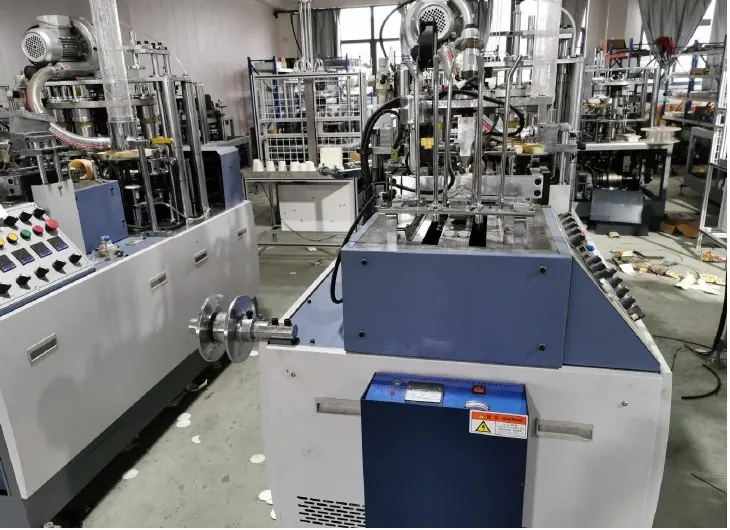
Diagnostic decision table
| Sample dimension | Evidence source | Blind spot |
|---|---|---|
| Risk | Critical functions and changes | Random easy jobs only |
| Record | Request, plan, parts and closeout | Signature present |
| Physical | Machine and component condition | Document review only |
| Outcome | Function, product and recurrence | Work completed |
Define objective and population
State whether the audit tests planning, execution, configuration, parts, preventive tasks or closeout. Define machines, period, work types and exclusions. Use a population list that includes completed, cancelled, deferred and emergent work.
Do not select only well-documented planned jobs. Include risk-based and random samples, repeat repairs, temporary controls and contractor work. Preserve selection logic so the review is reproducible.
Trace the complete work record
Follow the request, machine tag, priority, job plan, safety controls, parts, execution notes, measurements, changes, verification and closure. Check dates and responsible roles. Compare planned and actual scope.
Look for copied text, missing actual values, unexplained substitutions and follow-up actions without owners. A complete form can still contain inconsistent evidence; reconcile it with related alarms, downtime and inventory transactions.
Verify physical and digital configuration
Inspect a suitable sample on the machine under safe conditions. Confirm labels, guards, installed part identity, wiring or hose routing, temporary repairs and housekeeping as applicable. Compare controlled drawings, backups and parameter records.
Do not disturb equipment simply to complete an audit. Where direct inspection is unsafe or disruptive, use approved evidence and schedule a competent verification. Record the limitation.
Test outcome and follow-up control
Review functional checks, first-piece approval, monitoring and recurrence. Confirm that failed verification led to action and that deferred items remain visible. Check whether preventive or training updates were actually issued.
Use trend and repeat events to test the closeout claim. A machine running today does not prove the sampled repair met its intended acceptance when it was released.
Report findings and verify correction
Classify the requirement, evidence, risk and affected population. Separate isolated record errors from systemic weaknesses. Assign owners and dates, then verify correction on new work rather than accepting a rewritten old form.
Share machine-specific technical questions with HANNAI using controlled evidence. Audit conclusions should improve the maintenance system and preserve accurate reporting behavior.
Related equipment and next checks
Review the HN-M100 automatic paper cup machine and the related guide to paper cup machine work order closeout. The Engineering Notes archive connects these checks with wider machine planning.
Frequently asked questions
Should audit samples be fully random?
Combine random coverage with risk and known-weakness samples.
Is a signed work order sufficient evidence?
No. Reconcile records, physical condition and outcome.
Must every audit inspect the machine?
Use safe physical checks where useful and document limitations.
How is corrective action verified?
Test the improved process on subsequent work and affected assets.
Review the evidence with HANNAI
Send your machine model, component identification and the observations described in this guide. Include the drawing or material reference and any before-and-after measurements so the required next check can be identified.