A paper cup machine trial sample matrix shows which commercial products a demonstration actually covers. One attractive sample does not validate every cup size, coating or printed design. The matrix connects each claimed capability to a defined material and format combination, then exposes the combinations that still need evidence.
This is a trial planning method, not a universal acceptance sampling plan. Confirm required tests and quantities with the supplier and buyer quality team. Do not infer food-contact compliance or production capability from a forming trial alone. Keep declared material identity and test limitations with every retained sample.
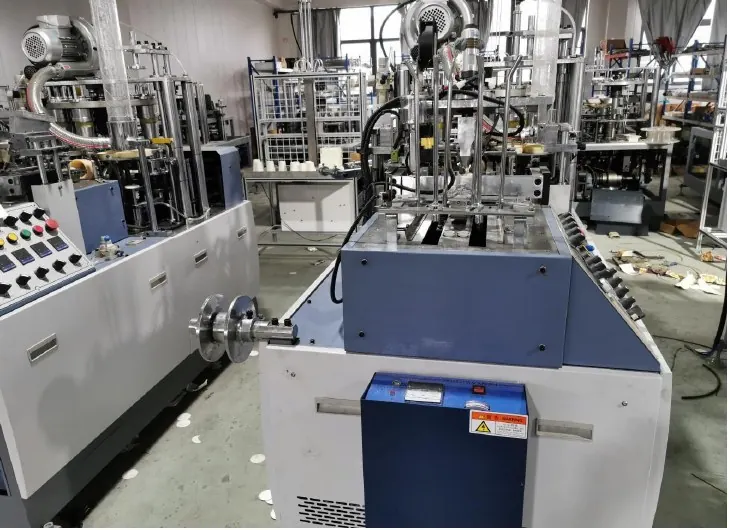
Decision worksheet
| Variation | Possible influence | Evidence needed |
|---|---|---|
| Cup geometry | Tooling and transfer fit | Approved drawing revision |
| Board lot | Feeding and forming response | Lot and conditioning record |
| Coating system | Sealing compatibility | Declared structure and trial |
| Artwork | Registration and scuff visibility | Controlled print file |
| Packing format | Stack handling and release | Representative downstream test |
Map the commercial product family
Start from the order list rather than the machine catalogue. Record rim diameter, height, base geometry, sidewall blank revision, bottom stock and required pack count. Add board supplier, grade, coating, print coverage and any special handling requirement. Identify which products share tooling and which only appear similar.
Do not choose a representative cup solely by nominal volume. Two cups with the same advertised capacity can have different tapers, rims or fill lines. Group products by the features that drive forming and handling risk, then identify the evidence needed to justify each grouping.
Choose trials by risk and interaction
Select combinations that challenge meaningful boundaries: different tooling geometry, uncertain coating compatibility, demanding print locations or difficult stack handling. The largest cup is not automatically the worst case for every mechanism. Feeding, sealing and packing may each have a different limiting combination.
An illustrative matrix might contain two geometries and two approved board constructions, giving four potential combinations. Testing only one combination leaves three untested, unless documented technical reasoning supports a narrower plan. If an interaction is uncertain, test it rather than assuming that separate successful geometry and material trials prove the combined case.
Control the sample supply and identity
Label incoming blanks and reels with supplier, lot, revision and conditioning status. Record how much material is available for setup, steady running, quality testing and retained samples. Keep setup consumption visible so a trial does not end just as the process reaches stable conditions.
Confirm transport and storage conditions before the test. Damaged, mixed or unidentified samples can invalidate interpretation. Where production will use multiple approved board sources, identify whether each source is tested or conditionally accepted. Retain unused reference material and a traceable link to the cups produced from it.
Capture evidence at the correct production stages
Agree when samples are taken and what the counts mean. Capture startup, stable running, planned restart and downstream packing where those states matter to the intended operation. Record settings and observations under the supplier’s controlled procedures; a test plan does not authorize bypassing guards or changing safety parameters.
Assess dimensions, leakage, rim and lid fit, appearance and stack handling using agreed methods. Identify destructive samples separately from rejects. Keep the run timeline, material changes, stops and disposition decisions so a good sample cannot be separated from the operating conditions that produced it.
Translate trial results into a release boundary
Mark each matrix cell demonstrated, conditionally supported or not tested. State the exact limitation: for example, a format may have forming evidence but no evidence for the buyer’s intended bag count. Do not replace a missing test with a generic passed label. Assign a closure action before production commitments rely on that cell.
Send HANNAI the matrix, drawings, material declarations and planned order mix when arranging trials. After testing, keep the matrix revision with the sample approval and acceptance records. Repeat the affected checks when a relevant material, geometry, tooling or downstream process changes.
Related equipment and next checks
Review the HN-M100 automatic paper cup machine and the related guide to pre-production sample approval. The Engineering Notes archive connects these checks with wider machine planning.
Frequently asked questions
Does a successful trial validate every board supplier?
No. Record which lots and constructions were tested and justify any extension.
Is the largest cup always the critical sample?
No. Different mechanisms can have different limiting products.
Should setup material count toward trial supply?
Yes. Plan setup, running, testing and retained material separately.
What does an untested cell mean?
Capability for that exact combination remains unverified.
Review the evidence with HANNAI
Send your product-family matrix, cup drawings, board constructions and intended pack formats. Identify untested combinations so a representative trial can be planned.