A paper cup layered process audit checks whether critical daily controls are being followed where work occurs. It should use short, observable questions and different management levels without becoming a second full quality-system audit or a paper exercise.
This guide explains audit design and follow-up. It does not prescribe audit frequency or replace product inspection, maintenance or regulatory audits. Select questions from the site’s actual risks and approved controls.
Decision worksheet
| Control point | Evidence to retain | Release decision |
|---|---|---|
| Question design | Observable control and expected evidence | Yes, no or not applicable |
| Audit layer | Role, frequency and area | Coverage is intentional |
| Finding | Observation, location and immediate action | Risk contained |
| Follow-up | Owner, due date and verification | Action closed effectively |
| Trend | Repeat finding and process area | System issue identified |
Select controls that matter at the line
Choose a small set of controls whose failure could affect identity, sealing, dimensions, contamination, traceability or packing. Write each question so the auditor can observe evidence during a short visit. For example, ask whether the current material lot matches the batch record rather than whether traceability is satisfactory.
Use current work instructions and risk reviews as the source. Avoid adding questions merely because they are easy to count. Rotate selected items when the process changes or trends show a new risk, while keeping a stable core for comparison.
Define audit layers and frequency
Assign operators or team leaders to frequent checks, supervisors to broader verification and managers to periodic confirmation of system discipline. Each layer should add a useful perspective rather than repeat identical signatures. Define areas, shifts and planned frequency.
Build a schedule that covers nights, weekends, changeovers and different products over time. Missed audits should be visible and explained. High completion percentage is weak evidence if the questions are always answered from an office.
Record direct observations
At the line, compare the current job, materials, settings, samples, labels and records with the expected control. Speak with the person doing the work and ask them to demonstrate where appropriate. Record the specific condition, equipment or container identity and time.
Use yes, no and not applicable consistently. A comment such as operator reminded does not describe the finding or its scope. Attach a photograph only when allowed and useful; it should support, not replace, the written observation.
Contain risk and assign action
If a finding may affect product, trigger the approved hold or containment process immediately. The auditor should not delay protection until the audit report is reviewed. Separate correction of the observed condition from action that prevents recurrence.
Assign an owner and due date based on risk. Link maintenance, training, document or quality records instead of duplicating them. Verify completion with evidence at the work point; closing a task in software does not prove the control now functions.
Trend findings and improve the audit
Group findings by control, line, shift and recurrence without hiding detail. Review repeated yes-to-no changes, overdue actions and questions that never detect anything. A repeated material identity failure may require a system or layout change, not another reminder.
Periodically observe auditors to confirm consistent interpretation. Revise questions after equipment, tooling, packaging or customer requirements change. Share concise results with production so the audit is understood as a control check and improvement tool rather than a search for individual blame.
Related equipment and next checks
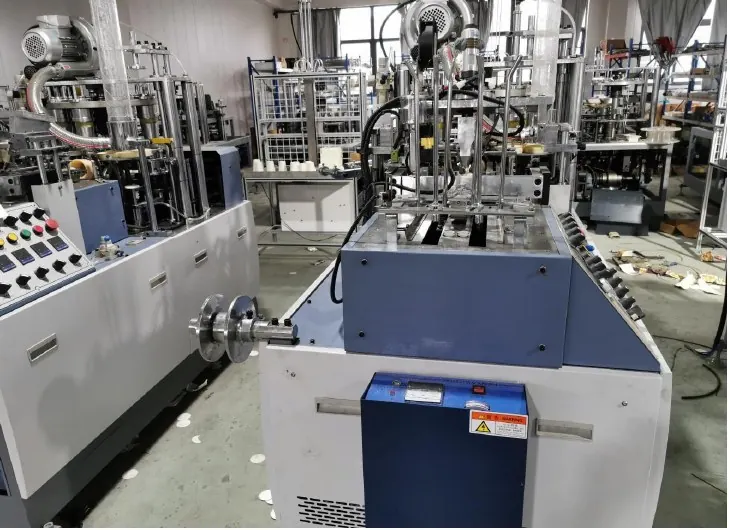
Review the paper cup production line and the related guide to operator training checklist. The Engineering Notes archive connects these checks with wider machine planning.
Frequently asked questions
How many questions should one layered audit contain?
Use a short set that can be observed properly; the number depends on process risk and available time.
Does a layered audit replace product inspection?
No; it verifies process controls and complements inspection and other audit programs.
What happens when an audit finds product risk?
Start the approved containment or hold process immediately and record the affected scope.
Should audit questions stay fixed?
Keep a stable core, then revise or rotate questions as risks, processes and trends change.
Review the evidence with HANNAI
Send the line flow, current critical checks and repeated audit findings. HANNAI can help relate audit questions to forming, transfer and packing checkpoints.