Operator training should connect safe preparation, approved settings, first-piece inspection, routine quality checks and clear fault escalation into one repeatable production method.
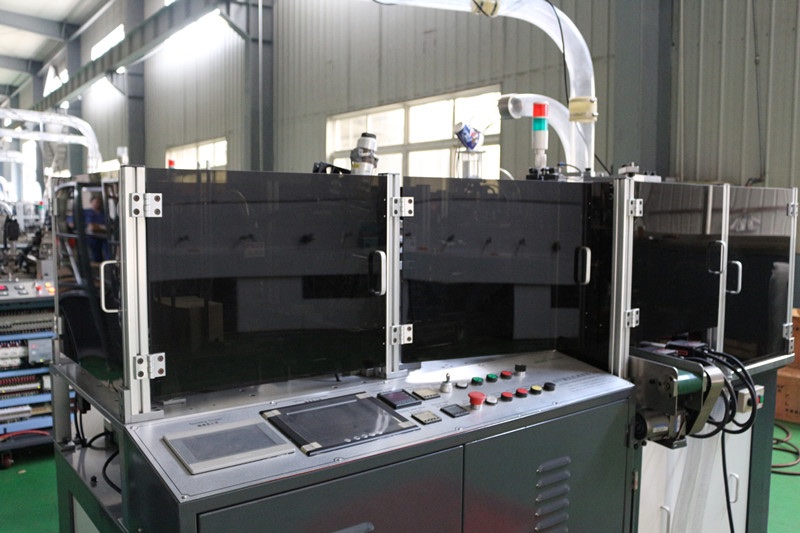
Training starts with the finished cup specification
An operator needs to understand what the machine is expected to produce. Before startup, review the approved cup drawing or sample, paper specification, blank direction, bottom roll specification, packing requirement and inspection standard. This keeps production decisions tied to a defined product rather than appearance alone.
Buyers selecting a new machine can review the HANNAI paper cup machine range. The operator procedure must then be written for the final model and cup configuration, not copied from a different machine.
Pre-start operator checklist
- Confirm the work order, cup SKU, mould set and approved material.
- Inspect guards, doors and emergency-stop functions according to the factory procedure.
- Check power, compressed air and other required utilities.
- Confirm that the work area is clean and free from loose tools or unused material.
- Inspect blanks, bottom paper and paper condition before loading.
- Verify lubrication and routine service items specified in the machine manual.
- Confirm that collection, inspection and packing areas are ready.
Use the complete paper cup machine installation and startup checklist when commissioning a new machine or restarting after major service.
Teach controlled startup and first-piece approval
Operators should know the approved startup sequence, low-speed observation procedure and who can authorize normal production. The first cups should be checked before a long run begins. Record the cup SKU, material batch, date, shift and approved setup reference.
| Training stage | Operator action | Evidence to retain |
|---|---|---|
| Preparation | Verify order, material, mould and utilities | Checklist and material batch |
| Controlled startup | Observe feeding, transfer, sealing and forming at the approved startup condition | Startup record and any alarm notes |
| First-piece inspection | Compare cup dimensions, appearance and sealing with the approved standard | Approved sample or inspection result |
| Routine production | Check quality at the defined frequency and record rejects | Shift quality log |
| Fault response | Stop, isolate where required and escalate outside the operator’s authority | Fault description, alarm and corrective action |
| End of shift | Clean, inspect, count material and hand over outstanding issues | Shift handover and maintenance request |
Define in-process quality checks
The inspection plan should match the cup specification and customer requirement. Typical checkpoints may include blank feeding, side seam condition, bottom sealing and knurling, rim or curl appearance, cup dimensions, visual defects and leakage sampling. The factory should define the method, frequency and acceptance criteria.
Our paper cup leakage and quality checklist explains how material, forming and handling records help identify a problem. Operators should record the condition they observe before changing any approved setting.
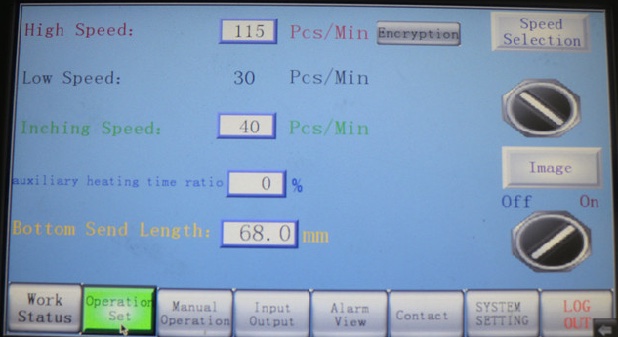
Set clear limits for adjustments and fault response
Operators need to know which adjustments they are authorized to make and which conditions require maintenance or supplier support. Repeatedly changing multiple settings without records makes fault diagnosis harder. When an abnormal condition occurs, capture the alarm, machine state, material batch and affected cup samples before resetting information where possible.
Never bypass a guard, interlock or emergency function to continue production. Service work should follow lockout, isolation and local safety requirements and be performed by qualified personnel.
Use shift records to improve consistency
A practical shift record includes:
- Machine model and serial number
- Cup SKU, mould set and paper batch
- Start time, stop time and planned changeovers
- Output and rejected quantity according to the factory counting method
- Quality-check results and retained samples where required
- Alarm or stoppage time and observed cause
- Maintenance action and parts replaced
- Outstanding issue for the next shift
These records support the machine maintenance plan and make remote technical communication more efficient.
Complete a competency sign-off
Training is not complete after one demonstration. Each operator should demonstrate material preparation, startup, first-piece checks, routine observation, normal stop, emergency response and shift handover under supervision. Record the machine and task scope the operator is approved to perform.
Frequently asked questions
How long does paper cup machine operator training take?
There is no universal duration. It depends on the machine, operator experience, number of cup SKUs, factory procedure and the level of maintenance responsibility. Competency should be demonstrated, not assumed from time alone.
Can one operator run several machines?
This depends on machine layout, cup inspection frequency, material handling, packing method and local safety rules. Evaluate the complete workload before assigning several machines to one person.
What should operators do when cup leakage increases?
Stop or contain affected production according to the factory quality procedure, retain samples, record material and machine conditions, and escalate the issue. Avoid uncontrolled setting changes that remove useful diagnostic evidence.
Should training be repeated after a mould change?
Operators should be trained and authorized for the specific changeover procedure. After a different cup setup, repeat the defined first-piece verification before normal production.
Send your cup range, target output, machine quantity, local voltage and factory experience through our inquiry page. HANNAI can discuss the machine configuration and commissioning information for your project.