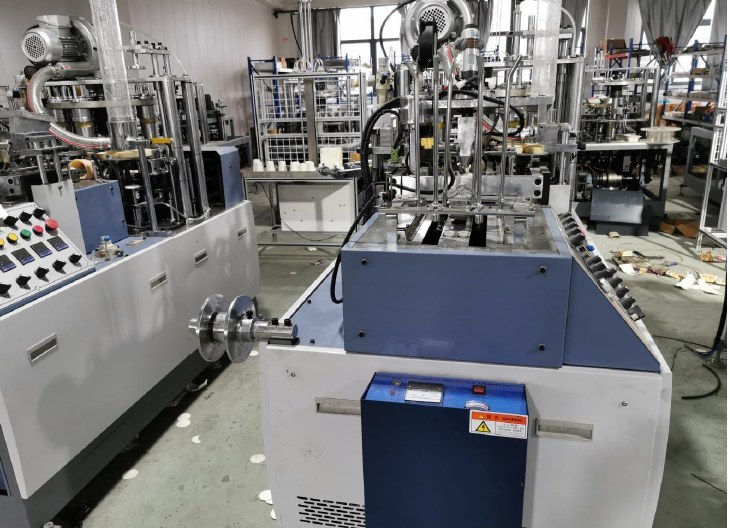
A paper cup machine installation checklist should connect delivery preparation, utility readiness and controlled production trials. The equipment can arrive complete while the site is still unable to support safe startup. A clear readiness record helps prevent commissioning time being lost to missing connections, unsuitable material or an unclear handover.
Use the supplier's current installation instructions for the supplied machine. This guide organizes the buyer's project responsibilities; it does not replace model-specific lifting, electrical or commissioning procedures.
Confirm site readiness before dispatch
Obtain the shipping dimensions, machine arrangement, approved handling points and utility information. Confirm the unloading route, door openings and planned final position with the site team. A machine footprint does not include the space required to handle paper, open access panels or service the equipment.
Assign responsibility for unloading, positioning, electrical work, compressed air and material preparation. Check which support is included in the purchase and which requires separate local arrangements. The factory layout guide helps identify those working areas before delivery.
Inspect delivery against the packing record
Check packaging condition and visible damage before opening, following the agreed delivery process. Record machine identity, shipped accessories and tooling against the packing list. Preserve photographs and notify the relevant parties promptly if something is missing or damaged.
Keep transport restraints and preservation measures under the supplier's instructions. Do not assume every component is ready to operate as unpacked. Separate transport damage, missing scope and installation work in the receiving record so each issue has an owner.
| Readiness gate | Buyer-side evidence | Release condition |
|---|---|---|
| Delivery receipt | Packing list and condition photographs | Damage and shortages have a disposition |
| Positioning | Approved location and handling record | Access and machine arrangement are confirmed |
| Utilities | Qualified electrical and air checks | Supply matches the confirmed machine requirement |
| Material | Approved cup fans, bottom paper and drawing | Trial material is identified and suitable |
| Controlled startup | Supplier procedure and trained personnel | Required pre-start checks are complete |
| Production handover | Trial results and open-item list | Responsibilities and remaining actions are agreed |
Verify utilities before energizing equipment
Have qualified personnel verify the actual supply against the machine documentation, including voltage, phase, frequency, protection and protective earthing. A country name or socket photograph cannot establish electrical compatibility. Use the voltage requirements guide to prepare the information needed by the supplier and site electrician.
Confirm the air connection, available supply during operation and any required air treatment against the supplier's specification. Record the point and conditions of measurement. An adequate compressor rating alone does not establish adequate air at the machine while other equipment is running.
Prepare the application and startup record
Identify the fitted tooling and its approved cup drawing. Keep the intended sidewall blanks and bottom material available with batch references. Check that operators understand the relevant controls and know how to contact the commissioning team.
Follow the supplier's pre-start, dry-run and material-trial sequence where specified. Authorized personnel should perform adjustments and fault investigation within the machine manual. Never bypass guards or protective functions to accelerate startup. Record the starting configuration so later changes have a known baseline.
Move from first cups to a controlled production trial
The first acceptable cup is a milestone, not production handover. Run the agreed application and record operating conditions, interruptions, total cups, accepted cups and quality findings. Include the collection and packing interface where it forms part of the project scope.
Compare the results with the agreed site acceptance criteria and the factory acceptance test record. Investigate differences using material, utilities, setup and operating evidence rather than assuming transport or the machine itself is the cause.
Handover documents and unresolved issues
Retain the machine manual, electrical information, approved application details, spare-parts references and operator training record. Assign each open issue a responsible person, evidence requirement and completion target. Identify whether it prevents production or can be managed under an agreed temporary arrangement.
The final handover should say which cup/material combinations were demonstrated and which remain unverified. Future size changes need their own approved tooling and setup instructions. Discuss suitable equipment through the HANNAI product range with that application boundary in mind.
Use explicit holds instead of a single ready checkbox
Build a short handover register with one owner for each release gate. For example, the receiving team can confirm a complete packing list while the electrical team still holds energization pending the machine-specific supply check. Those are compatible statuses: delivery receipt is complete, but startup is not released.
If intended stock is unavailable, identify which installation or documented no-material checks may proceed under the supplier’s procedure and which product tests remain deferred. A substitute material run must retain its own identity. Do not mark the intended cup application accepted because a different paper formed successfully.
Review the first production trial against the same count and inspection definitions as the FAT. Record local air conditions, machine configuration and material differences that could explain a changed result, without declaring one of them the cause in advance. The final handover should assign each remaining hold an evidence requirement and an authorized release decision.
Frequently asked questions
Can installation begin without the intended paper material?
Some preparation can proceed, but production acceptance with the intended material remains incomplete. Agree what can be demonstrated and what must wait.
Is connecting power enough to commission the machine?
No. Installation, utility verification, operator preparation and application trials are separate steps with different evidence.
Who should perform electrical checks?
Qualified personnel using the supplied documentation and applicable local requirements. Confirm responsibilities before delivery.
What should the startup report contain?
Machine identity, tooling, material, utility checks, trial conditions, accepted output, inspection findings and unresolved actions.
Prepare your site-readiness brief
Share the factory layout, utility information, cup specification and installation timetable through the HANNAI inquiry page. State the local work you can provide and the commissioning support you need.