A factory acceptance test should confirm the agreed machine, cup specification, documentation and test record before shipment—not rely on a short running video alone.
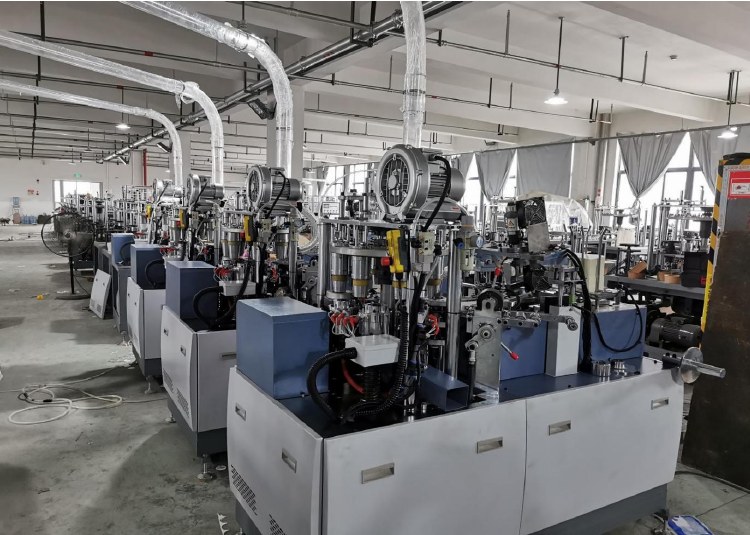
Agree on the FAT scope before production is completed
Factory acceptance testing, often called FAT, is a documented check performed before the machine is shipped. Its purpose is to compare the finished equipment and test results with the purchase agreement. It is not a replacement for installation, commissioning or site acceptance after delivery.
The buyer and supplier should agree on the test cup, paper material, machine configuration, test duration, inspection method and records in advance. If the order includes several moulds or connected equipment, identify which combinations will be demonstrated and which checks require a later site setup.
Verify machine identity and order scope first
Start with items that can be checked without running production. Compare the machine model, nameplate, voltage and frequency, fitted mould, agreed accessories and supporting equipment with the confirmed order documents. Record any approved change instead of relying on verbal explanations.
| FAT section | Evidence to review | Record to retain |
|---|---|---|
| Machine identity | Model, nameplate and order reference | Clear identity and overview photos |
| Configuration | Fitted mould, sealing method, controls and agreed options | Approved configuration checklist |
| Test material | Cup fan, bottom paper, GSM, coating and batch | Material label, sample and specification |
| Functional test | Startup, feeding, forming, collection, stops and alarms within the agreed scope | Dated observations and video |
| Cup inspection | Dimensions, appearance, sealing and agreed quality checks | Accepted samples and inspection sheet |
| Documents and parts | Manuals, diagrams, packing list, tools and approved spare parts | Signed document and packing checklist |
Use the agreed production material
A machine test is meaningful only when the material is identified. Record the paper GSM, coating type, cup fan dimensions, bottom paper and batch used during the FAT. If buyer-supplied material is required, agree on quantity, delivery timing and how unused material will be handled.
Do not assume that a successful run with one cup proves every planned SKU. Different cup dimensions, paper condition and moulds may require separate setup and approval. Review the cup size matching guide and the paper material checklist before finalizing test samples.
Define how the running test will be evaluated
Agree on the operating sequence and test conditions before the FAT begins. The supplier should demonstrate the functions included in the accepted scope. Record planned stops, material interruptions and adjustments so the final result has context.
If output is part of acceptance, state how it will be measured. Rated speed, formed pieces and accepted cups are not automatically the same metric. The test record should identify the cup, material, measured period and inspection result. For capacity planning beyond the test, use the paper cup machine production capacity guide.
Inspect finished cups against an agreed standard
Prepare the cup drawing, approved sample or written acceptance criteria before testing. Check the items relevant to the product, such as cup dimensions, rim and bottom appearance, side seam, cleanliness and the agreed leakage test. Record the sampling method and keep identified samples from the accepted run.
A visual video cannot confirm every cup. Buyers should define who performs the checks, which tools are used and how results are recorded. The paper cup leakage and quality checklist provides a practical starting point for discussing inspection.
Check safety functions within the agreed procedure
The FAT should include the safety and control checks specified in the agreed test plan and machine documentation. Confirm guards, doors, emergency stops, indicators and alarms according to the approved procedure. Testing must be performed by authorized personnel; safety devices must not be bypassed to complete a video or reach an output target.
Record the results and any open item. Local installation and regulatory checks still remain the buyer’s responsibility after the machine arrives.
Review documents, training and spare parts
Before packing, compare the documentation and loose items with the contract. Depending on the order, this may include operating information, electrical or pneumatic references, mould information, packing list, tools and approved spare parts. Confirm the language and digital file format required by the buyer.
Photograph model-specific parts and labels so they can be identified later. Use the paper cup machine spare-parts checklist to build a controlled register. Training topics that cannot be completed at the factory should be listed for remote or on-site commissioning.
Close every open item before release
The FAT report should separate accepted items, observations and actions that must be completed before shipment. Assign a responsible party and evidence requirement to every open point. Examples include a replacement label, additional test record, revised document or confirmation photo.
Shipment release should follow the purchase agreement and the completed action record. A verbal promise is difficult to audit after the machine has been packed.
Frequently asked questions
Is a running video the same as a FAT?
No. A video can support the record, but a useful FAT also identifies the machine, material, cup specification, test method, results, documentation and open actions.
Must the buyer attend the FAT in person?
The method depends on the agreement. An in-person inspection, third-party inspection or structured remote FAT may be used. The scope and required evidence should be confirmed before the test.
Should every cup size be tested?
That depends on the order and agreed acceptance plan. Identify which moulds and materials will be tested, which are checked dimensionally and which require validation during commissioning.
Does FAT replace commissioning after delivery?
No. Site installation, utility verification, commissioning, operator training and local acceptance still need to be completed after delivery.
Send your cup drawing, material specification, required machine configuration and acceptance points through our inquiry page. HANNAI can align the test discussion with the selected equipment and order scope.