A paper cup machine’s rated speed is only the starting point for capacity planning. Buyers also need to account for shift time, planned stops, material changes and the percentage of cups that pass inspection.
Start with rated machine speed
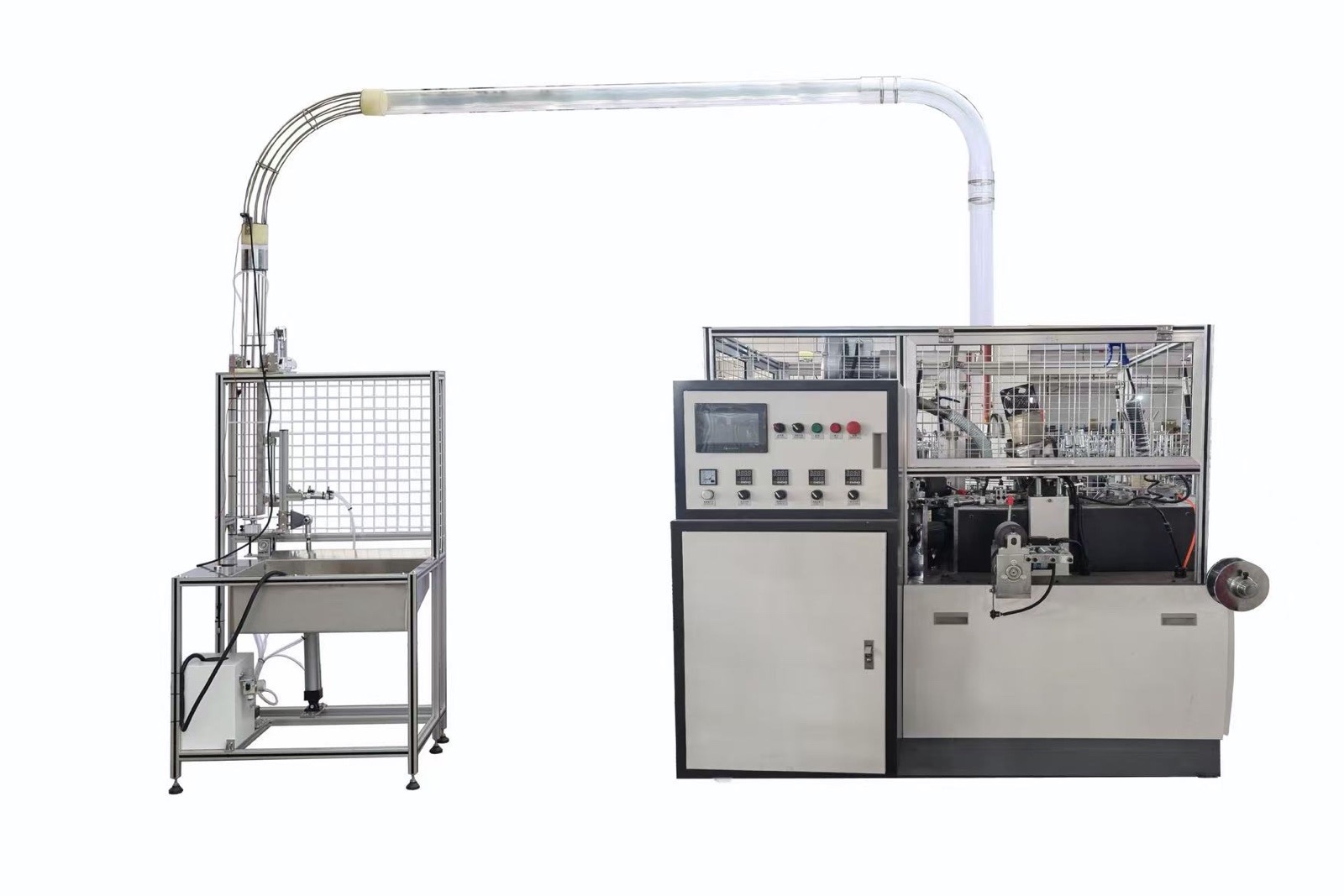
Machine speed is normally stated in pieces per minute. It is useful for comparing configurations, but it should not be treated as guaranteed daily saleable output. Cup dimensions, paper condition, operator experience, maintenance, blank consistency and the downstream collection or packing method all affect practical production.
The basic theoretical calculation is:
Theoretical hourly output = rated pieces per minute × 60
For example, buyers reviewing an HN-S120 paper cup making machine should use the confirmed speed for their selected cup and configuration. Buyers comparing smaller cup projects can also review the HN-M100 automatic paper cup machine. Final model selection should follow the actual cup drawing and paper sample.
Separate theoretical output from planned output
A shift contains production time and non-production time. Material loading, warm-up, approved changeovers, cleaning, quality checks and planned maintenance all use part of the scheduled shift. A realistic capacity worksheet should keep these items visible rather than hiding them inside one optimistic number.
| Capacity input | What to record | Why it matters |
|---|---|---|
| Confirmed running speed | Speed for the selected cup and material | Different cup specifications can require different settings. |
| Scheduled minutes | Working minutes per shift and shifts per day | This defines the maximum available production window. |
| Planned downtime | Cleaning, checks, maintenance and approved changeovers | These stops should be included before promising delivery capacity. |
| Operating allowance | Material loading and normal short interruptions | Small interruptions accumulate across a full shift. |
| Good-output rate | Cups that pass the agreed inspection standard | Saleable output is more useful than total formed pieces. |
| Machine quantity | Machines running the same cup or different SKUs | Multi-machine planning must consider simultaneous utilities and packing. |
Use a practical planning formula
A useful factory planning formula is:
Planned good output = rated speed × scheduled production minutes × planned utilization × expected good-output rate
The utilization and good-output factors should come from your validated operating data, trial production or an agreed commissioning target. There is no responsible universal percentage for every factory. A new project should use a conservative planning range until operators, material and quality checks are stable.
Include cup size and material in the calculation
Do not calculate capacity before confirming the finished cup. Send the top diameter, bottom diameter, height, paper weight, coating type and sample or drawing. Blank dimensions and paper consistency can influence feeding and forming stability. Our cup size matching guide and paper material checklist explain what to prepare.
If one machine will make several cup sizes, calculate each SKU separately. Include the time needed for approved mould changes, setting verification and first-piece inspection. See the paper cup machine mould and changeover guide for the information to discuss before ordering.
Check the complete production line
A forming machine can only support the planned output when upstream blanks and downstream handling are ready. Review printed paper supply, die cutting, cup collection, inspection and packing. If formed cups accumulate faster than operators can inspect or pack them, the complete line will not achieve the calculated saleable output.
- Confirm whether blanks are purchased or prepared in-house.
- Check that printing and die cutting can supply the required daily quantity.
- Define inspection frequency and leakage sampling.
- Match collection and paper cup packing options to the target output.
- Confirm power, compressed air and operator allocation for all connected equipment.
Build a capacity sheet before requesting a quotation
Prepare one row for every cup SKU. Record the cup dimensions, paper specification, daily order quantity, production days per month, shift length and expected packing format. This lets the supplier recommend one machine, several machines or a staged expansion plan based on your actual demand.
For projects that include printing, blank preparation and packing, review the paper cup production line before finalizing the capacity calculation.
Frequently asked questions
Is rated speed the same as daily output?
No. Rated speed is a machine reference under suitable operating conditions. Daily saleable output also depends on scheduled time, stops, material, operator practice, quality acceptance and downstream handling.
Should I choose a faster machine than my current order volume requires?
That depends on expected demand growth, cup range, labor, utilities, packing and investment plan. Compare a practical utilization plan for each configuration rather than choosing only by the highest speed.
How do I calculate capacity for several cup sizes?
Calculate each cup specification separately, then add approved changeover and verification time. Do not assume every cup will run at the same setting or output.
What information should I send HANNAI?
Send cup samples or dimensions, paper GSM and coating, target pieces per day, shifts, destination voltage, blank supply method and required packing format. These details allow a more useful configuration discussion.
Send your cup specification, daily target, shift schedule, paper material and destination country through our inquiry page. HANNAI will help compare suitable machine and line configurations.