Paper cup packaging label reconciliation controls printed labels, carton marks or coded packaging that can identify the wrong customer, product or lot. Counting issued and returned labels creates a clear changeover boundary and exposes unexplained losses before product release.
This guide applies to controlled labels and printed packaging. It does not prescribe security levels or legal label content; classify materials according to buyer and customer risk.
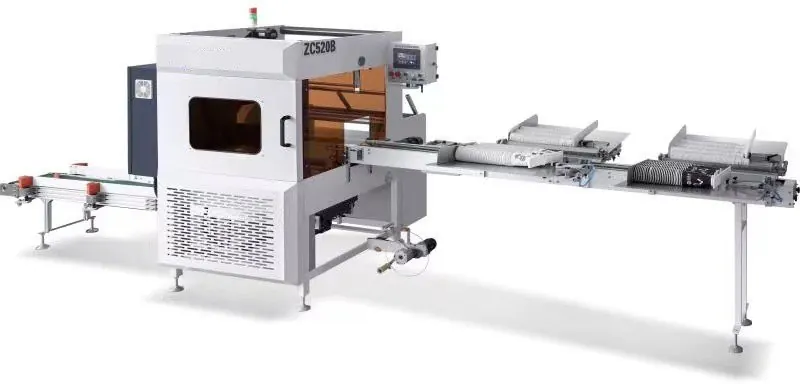
Decision worksheet
| Control point | Evidence to retain | Release decision |
|---|---|---|
| Issue | Job, revision, range and quantity | Correct labels released |
| Line use | Containers, start count and operator | Use is attributable |
| Damage | Spoiled labels and reason | Unusable items controlled |
| Return | Sealed remainder and warehouse receipt | Stock status restored |
| Balance | Issued, used, spoiled, returned and destroyed | Difference resolved |
Release the correct label revision
Match label code, artwork revision, customer, product, pack configuration and order before warehouse issue. Record serial range when applicable. Define the responsible role and the point in the production or warehouse flow where the check occurs. Use the current approved order, specification or procedure rather than an uncontrolled copy. Issue labels to one identified job and container. Use a second verification for visually similar versions where the procedure requires it. Record actual identities, quantities, dates and observations as the work happens, so a later reviewer can reconstruct the decision without relying on memory.
Block labels with obsolete artwork, unclear status or an order mismatch before they reach the packing line. Protect affected material before continuing and keep the original observation visible. Assign an owner and due time for missing information. The review should distinguish confirmed facts, assumptions and unavailable evidence, then state who may authorize the next movement or use.
Control labels at the line
Begin by mapping the affected item and process boundary. Record receipt quantity, container identity and the person taking responsibility. Keep only current-job labels in the active area. Make the instruction usable at the line by naming the product, lot, equipment, location and revision that apply. Protect labels from damage and unauthorized movement. Link any printer-generated code settings to the same job and approval sample. Where electronic and physical records both exist, compare them rather than assuming they agree. Preserve screenshots, labels or samples only when their source remains identifiable.
Stop packing when another job’s label is found or when unattended loose labels cannot be identified. Stop the normal release path until the difference is resolved or formally accepted by an authorized role. Reconcile every transferred, sampled, reprinted, discarded or returned quantity. Close the step with a dated decision and a link to supporting evidence.
Record use and spoilage
The control should answer what is being checked, against which requirement and by whom. Count labels applied to accepted cartons or packages and record damaged, test or setup labels separately. Cancel spoiled serial labels when used. Use clear acceptance language and avoid broad statements such as checked or acceptable when an actual result can be recorded. Retain or destroy spoiled items through the approved method so they cannot return to use. Record the reason for abnormal spoilage. Keep the first result and any later correction or retest connected in sequence; do not overwrite evidence that explains why the review began.
Investigate repeated print or application problems instead of balancing unexplained differences as normal waste. Contain the defined scope, notify the designated owner and evaluate whether earlier output or later operations may also be affected. Verify the corrective action at the work point before reopening the normal route, and retain the closure evidence with the batch or event record.
Return or destroy the remainder
Seal and identify unused labels before return. Warehouse should verify quantity, revision and condition before restoring stock. Define the responsible role and the point in the production or warehouse flow where the check occurs. Use the current approved order, specification or procedure rather than an uncontrolled copy. Destroy obsolete or customer-directed labels with an authorized record and witness when required. Keep the disposition linked to the order. Record actual identities, quantities, dates and observations as the work happens, so a later reviewer can reconstruct the decision without relying on memory.
Do not mix partial containers from different revisions to save space; preserve identity until final disposition. Protect affected material before continuing and keep the original observation visible. Assign an owner and due time for missing information. The review should distinguish confirmed facts, assumptions and unavailable evidence, then state who may authorize the next movement or use.
Reconcile before batch release
Begin by mapping the affected item and process boundary. Calculate issued equals applied plus spoiled plus returned plus destroyed. Compare applied count with released packing quantity and explain unit conversions. Make the instruction usable at the line by naming the product, lot, equipment, location and revision that apply. Investigate discrepancies and inspect affected cartons when substitution or double-label risk exists. Record the approved conclusion. Where electronic and physical records both exist, compare them rather than assuming they agree. Preserve screenshots, labels or samples only when their source remains identifiable.
Complete line clearance and release only after physical stock, reconciliation and batch records agree. Stop the normal release path until the difference is resolved or formally accepted by an authorized role. Reconcile every transferred, sampled, reprinted, discarded or returned quantity. Close the step with a dated decision and a link to supporting evidence.
Related equipment and next checks
Review the paper cup production line and the related guide to artwork and label line-clearance guide. The Engineering Notes archive connects these checks with wider machine planning.
Frequently asked questions
Are plain carton labels controlled?
Control them when they carry product, customer, artwork, lot or other mix-up-sensitive information.
How should spoiled labels be handled?
Count and render them unusable or retain them under the approved procedure.
What if the reconciliation is short by one label?
Investigate the missing item and affected product before release; do not adjust the balance without evidence.
When can unused labels return to stock?
After quantity, identity, revision, condition and warehouse receipt are verified.
Review the evidence with HANNAI
Send the label formats, issue quantities, pack configuration and current reconciliation sheet. HANNAI can review practical packing-line control points.