Paper cup line clearance prevents old artwork, labels, blanks, bottom rolls, bags or cartons from entering the next order. Cleaning alone is insufficient: materials must be identified, reconciled, removed from hidden locations and verified against the next controlled job.
This guide provides a changeover-control framework. It does not replace plant safety procedures, food-contact controls or customer artwork approval. Qualified production and quality personnel must define the checklist and release authority.
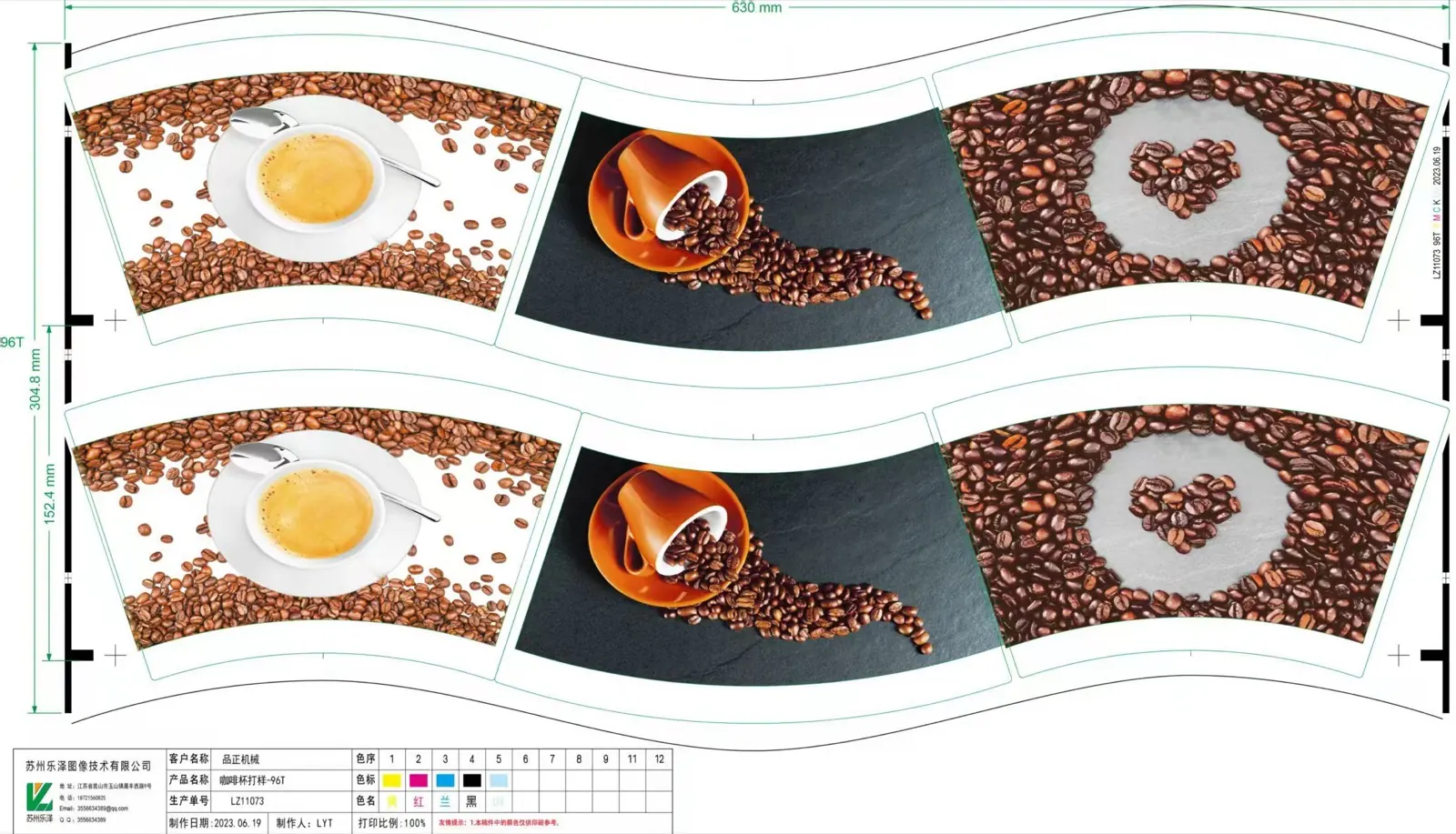
Diagnostic decision table
| Clearance zone | What to verify | Mix-up risk |
|---|---|---|
| Material staging | Old stock removed and reconciled | Wrong artwork enters line |
| Machine path | Pockets, guides and conveyors empty | Residual cups mix forward |
| Packing area | Bags, labels and cartons controlled | Correct cup gets wrong label |
| Electronic setup | Current job and revision loaded | Old data drives new order |
Define the clearance boundary and trigger
Map every area where product or identifiers can remain: material staging, feeder, forming stations, reject bins, conveyors, accumulators, packing equipment, inspection tables, printer queues and finished-product lanes. Include temporary containers and rework locations.
Trigger clearance at artwork, SKU, customer, size, material and packaging changes according to risk. Assign who performs and who verifies each zone. A generic signature without location-specific evidence can miss hidden carryover points.
Stop, segregate and reconcile the old job
Identify the last acceptable output and stop feeding old materials. Count or otherwise reconcile issued, used, returned, scrapped, held and packed quantities. Label partial rolls, blanks, bags, cartons and printed labels before removing them to controlled storage.
Do not place unidentified remnants beside new material. Investigate unexplained quantity differences before release. Electronic inventory should change with physical movement so stock cannot later be issued under the wrong identity.
Inspect machine and surrounding flow paths
Use safe isolation and access procedures before reaching into equipment. Check feeder pockets, forming tools, transfer guides, rejects, conveyor edges, accumulation points and packing infeed. Remove cups and components without damaging equipment or bypassing guards.
Record inaccessible areas and the approved method for clearing them. A cup hidden downstream can appear after the first-piece inspection. Run an authorized empty or controlled purge cycle only when machine procedures permit it, and account for all purge material.
Load and verify the new job identity
Match new artwork, blank, bottom material, cup size, packaging, label and electronic job revision to the controlled order. Use barcode or two-person verification where the approved system requires it. Clear obsolete print queues and workstation references.
Inspect the first pieces for identity before evaluating process quality. A dimensionally acceptable cup with the wrong artwork is still wrong. Keep old and new examples clearly separated so the comparator itself cannot cause a mix-up.
Release, monitor and improve clearance
Authorize startup only after every applicable zone is completed and exceptions are resolved. Identify the first accepted carton and increase early-run vigilance according to the control plan. Retain the checklist, reconciliation and first-piece evidence with the batch record.
Investigate any later mix-up by tracing where old product could bypass the checklist. Update physical controls and checklist wording based on evidence. Send HANNAI the machine path and retained-product locations when equipment access or sequence needs technical review.
Related equipment and next checks
Review the 850 roll die cutting machine and the related guide to paper cup printing artwork and registration approval. The Engineering Notes archive connects these checks with wider machine planning.
Frequently asked questions
Is cleaning the machine enough for line clearance?
No. Reconcile identities, materials, hidden product and electronic setup.
Should packaging be included?
Yes. Bags, labels, cartons and pallet identity can create mix-ups.
When is the new job released?
After completed clearance, identity verification and approved first-piece evidence.
How should partial materials be handled?
Identify, reconcile and return them to controlled storage.
Review the evidence with HANNAI
Send your machine model, component identification and the observations described in this guide. Include the drawing or material reference and any before-and-after measurements so the required next check can be identified.