Paper cup work-in-process reconciliation tests whether cups and components between forming, inspection and packing can be identified and balanced. Unrecorded trays, partial stacks or held samples can distort output, scrap and shipment quantities even when the final carton count is correct.
This guide provides a WIP identity and quantity method. It does not set universal counting frequency or acceptable variance; define those controls for the product, line and risk.
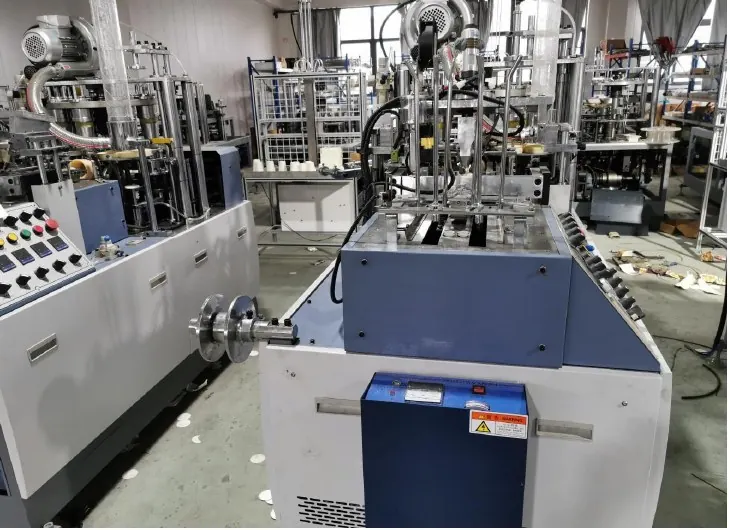
Decision worksheet
| Control point | Evidence to retain | Decision status |
|---|---|---|
| Set the reconciliation boundary | Record opening WIP, new input, accepted transfer, rejects, samples, rework and closing WIP in one unit basis | Verified, held or escalated |
| Identify every WIP container | Link split or combined containers to the originating batch and current operation | Verified, held or escalated |
| Count at process handoffs | Document conversions between cups, stacks and bags and identify partial units separately | Verified, held or escalated |
| Reconcile nonproductive quantities | Tie each quantity to its disposition or current location rather than using one unexplained loss line | Verified, held or escalated |
| Close and investigate variance | Record the variance, likely process point, evidence reviewed and authorized correction | Verified, held or escalated |
Set the reconciliation boundary
Follow the item through its real warehouse or production path. Define the batch, time window, equipment route and physical locations included in the count. Note the point where the record is created, the next user of that record and the physical unit to which it applies. Record opening WIP, new input, accepted transfer, rejects, samples, rework and closing WIP in one unit basis. Test the entry against the reel, carton, pallet, container or machine-side item instead of reviewing the screen alone.
Freeze or timestamp movements so the count is not invalidated by unrecorded transfers. When the connection cannot be proven, define the affected lots and prevent their next transaction. Corrections should retain the earlier entry, the reason for change and the evidence that the floor condition now matches the authorized record.
Identify every WIP container
Convert the requirement into an observable check. Check trays, sleeves, bags, bins and temporary tables for product, lot, status and quantity identity. Specify the item, place, source document and reviewer so another qualified person can repeat the decision. Link split or combined containers to the originating batch and current operation. Store supporting images, count sheets or system extracts under the same batch or shipment reference.
Hold mixed or unlabelled WIP until identity can be established from controlled evidence. Evaluate whether the difference could extend to material already issued, packed or dispatched. Keep the original finding alongside the response and final verification, creating a usable chronology rather than a cleaned-up final form with no history.
Count at process handoffs
Control the transfer at both sides of the boundary. Compare the sending record with the quantity physically accepted by the next operation. The releasing person should identify what is moving and the receiving person should confirm quantity, lot, location and current permission to use it. Document conversions between cups, stacks and bags and identify partial units separately. Any adjustment made between the two confirmations needs a traceable transaction and named authority.
Investigate differences before the receiving stage absorbs them into a later total. Put incomplete or conflicting units in an identified exception area. Once the record is repaired, inspect the destination stock directly and document the final count and status before normal movement resumes.
Reconcile nonproductive quantities
A useful review combines physical observation with record reconciliation. Include inspection samples, setup cups, rejects, retained samples and authorized rework. Start from the selected lot, pallet, container or production period and trace every related entry that changes quantity or status. Tie each quantity to its disposition or current location rather than using one unexplained loss line. State the sampling basis and show all unit conversions used to compare the sources.
Prevent double counting when rejected cups later enter rework or destruction records. Never create an unsupported adjustment merely to make totals agree. Record the difference, investigate its process point, authorize the eventual correction and use a later check to confirm that the underlying control now works during routine operations.
Close and investigate variance
Calculate the expected closing WIP and compare it with the verified physical count. Before the check starts, mark the order or shipment boundary and the person accountable for the result. Base the decision on the approved transaction, label and specification set that actually governs this movement. Record the variance, likely process point, evidence reviewed and authorized correction. Write down what was seen at the location, including identities, counts and timing, while the evidence is still available.
Repeat the count or expand the boundary when the difference cannot be explained defensibly. An unresolved discrepancy remains a blocked condition. Route it to the role that can approve disposition, then revisit the material and its electronic record to demonstrate that the chosen action was completed.
Related equipment and next checks
Review the HN-M100 automatic paper cup machine and the related production material mass balance guide. The Engineering Notes archive connects these checks with wider machine planning.
Frequently asked questions
Should WIP be counted in cups or stacks?
Use one controlled base unit and retain every conversion factor.
How are inspection samples treated?
Record their quantity, purpose, identity and final disposition.
Can production continue during reconciliation?
Use a controlled cutoff or movement log so every transfer remains in the same time window.
What closes an unexplained variance?
A verified cause and authorized correction, not a forced balancing entry.
Review the evidence with HANNAI
Send the forming, inspection and packing count points. HANNAI can help map WIP handoffs and unit conversions for the proposed line.