Paper cup batch yield variance can reveal count errors, material loss, unstable forming or incomplete records. A useful review separates expected process categories from unexplained loss and compares the same unit basis instead of judging one headline percentage.
This guide provides an investigation structure. It does not state a universal acceptable yield or machine performance guarantee; limits require verified product and process data.
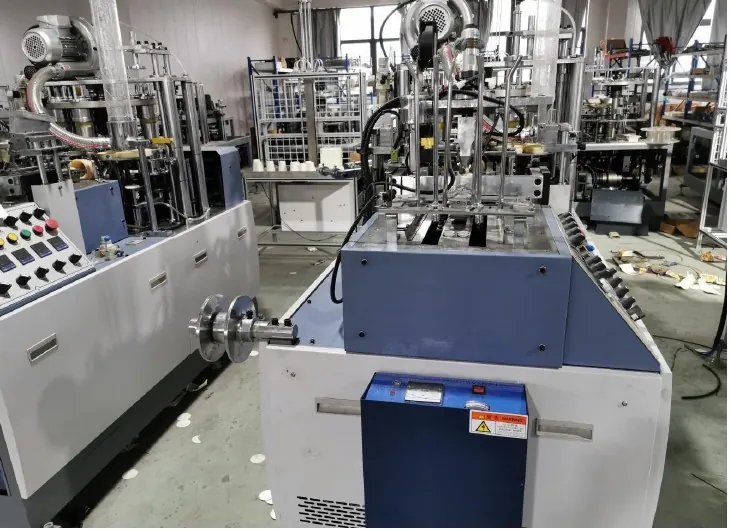
Decision worksheet
| Control point | Evidence to retain | Decision status |
|---|---|---|
| Confirm the calculation basis | Retain source meter, issue, count and inventory records with their cutoff times | Verified, held or escalated |
| Reconcile known loss categories | Link each category to the station and record where it was generated | Verified, held or escalated |
| Check count and transaction integrity | Verify partial stacks, samples and rework are included once | Verified, held or escalated |
| Stratify the variance | Compare against a relevant approved baseline rather than an unrelated product average | Verified, held or escalated |
| Verify corrective action | Compare later representative batches using the same calculation basis | Verified, held or escalated |
Confirm the calculation basis
A useful review combines physical observation with record reconciliation. Define the batch boundary and convert sidewall blanks, bottom material, cups, packs and scrap to documented units. Start from the selected lot, pallet, container or production period and trace every related entry that changes quantity or status. Retain source meter, issue, count and inventory records with their cutoff times. State the sampling basis and show all unit conversions used to compare the sources.
Correct unit or scope errors before comparing the result with any reference yield. Never create an unsupported adjustment merely to make totals agree. Record the difference, investigate its process point, authorize the eventual correction and use a later check to confirm that the underlying control now works during routine operations.
Reconcile known loss categories
Separate startup, changeover, in-process test, destructive sample, forming reject, packing reject and retained quantities. Before the check starts, mark the order or shipment boundary and the person accountable for the result. Base the decision on the approved transaction, label and specification set that actually governs this movement. Link each category to the station and record where it was generated. Write down what was seen at the location, including identities, counts and timing, while the evidence is still available.
Avoid using one miscellaneous loss entry that prevents root-cause analysis. An unresolved discrepancy remains a blocked condition. Route it to the role that can approve disposition, then revisit the material and its electronic record to demonstrate that the chosen action was completed.
Check count and transaction integrity
Follow the item through its real warehouse or production path. Compare machine counts, manual sheets, packing totals and warehouse receipt for resets or duplicate entries. Note the point where the record is created, the next user of that record and the physical unit to which it applies. Verify partial stacks, samples and rework are included once. Test the entry against the reel, carton, pallet, container or machine-side item instead of reviewing the screen alone.
Investigate timing differences when records cover different shifts or batch endpoints. When the connection cannot be proven, define the affected lots and prevent their next transaction. Corrections should retain the earlier entry, the reason for change and the evidence that the floor condition now matches the authorized record.
Stratify the variance
Convert the requirement into an observable check. Review loss by time, machine position, material lot, operator, cup format and defect type where data supports it. Specify the item, place, source document and reviewer so another qualified person can repeat the decision. Compare against a relevant approved baseline rather than an unrelated product average. Store supporting images, count sheets or system extracts under the same batch or shipment reference.
Contain affected output when the pattern suggests a quality or traceability risk. Evaluate whether the difference could extend to material already issued, packed or dispatched. Keep the original finding alongside the response and final verification, creating a usable chronology rather than a cleaned-up final form with no history.
Verify corrective action
Control the transfer at both sides of the boundary. Assign changes to counting, setup, material handling or process control and state the expected evidence. The releasing person should identify what is moving and the receiving person should confirm quantity, lot, location and current permission to use it. Compare later representative batches using the same calculation basis. Any adjustment made between the two confirmations needs a traceable transaction and named authority.
Keep the action open when apparent improvement comes only from reclassification or missing records. Put incomplete or conflicting units in an identified exception area. Once the record is repaired, inspect the destination stock directly and document the final count and status before normal movement resumes.
Related equipment and next checks
Review the HN-M100 automatic paper cup machine and the related production material mass balance guide. The Engineering Notes archive connects these checks with wider machine planning.
Frequently asked questions
Is yield the same as machine efficiency?
No; define the exact input, accepted output and loss categories used.
Can weight be converted directly to cups?
Only with a documented and verified basis appropriate to the material and product.
What if counts from forming and packing differ?
Check WIP, rejects, samples, resets and the time boundary before adjusting data.
Does one low-yield batch prove a machine problem?
Investigate material, method, counting and process evidence before assigning cause.
Review the evidence with HANNAI
Send the batch inputs, machine counts, rejects and packing totals. HANNAI can help organize an evidence-based yield review for the selected configuration.