Compressed air is an important factory utility for many paper cup machine configurations. This buyer checklist explains how to discuss air demand, air quality, piping and startup requirements before ordering equipment.
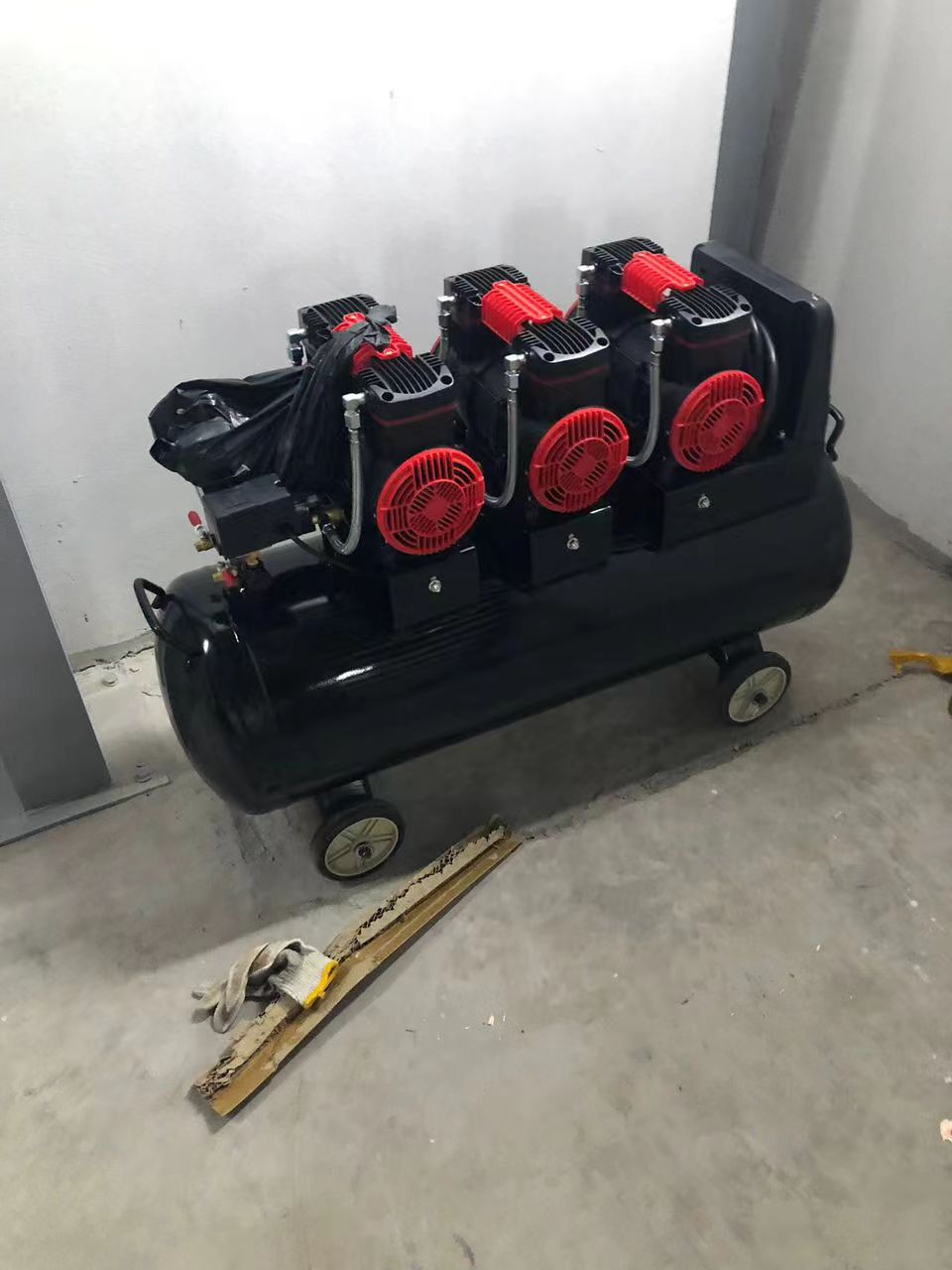
Why does a paper cup machine need compressed air?
Depending on the model and configuration, compressed air may support pneumatic components used for feeding, positioning, transfer, ejection or other production actions. The exact demand is model-specific. Buyers should therefore confirm the required pressure and air consumption with the machine supplier instead of selecting a compressor from a universal number.
Confirm machine demand before choosing a compressor
Start with the selected machine model, quantity and configuration. For example, the utility plan for one HN-S120 paper cup making machine may differ from a project that combines several forming machines with die cutting, packing or inspection equipment. Ask for the model-specific air requirement before the compressor is purchased.
When estimating total demand, include all pneumatic equipment expected to operate at the same time. The compressor should also allow a practical margin for piping loss, normal leakage and future operating conditions. Excessive undersizing can cause pressure instability, while unnecessary oversizing can increase cost and energy use.
Plan clean, dry and regulated air
Air quality affects pneumatic reliability. The supply should be clean, dry and regulated according to the equipment requirement. A suitable filter, water separator and air dryer may be needed where ambient humidity or condensation is a concern. Drainage points should be easy to inspect, and water should not be allowed to accumulate in the line.
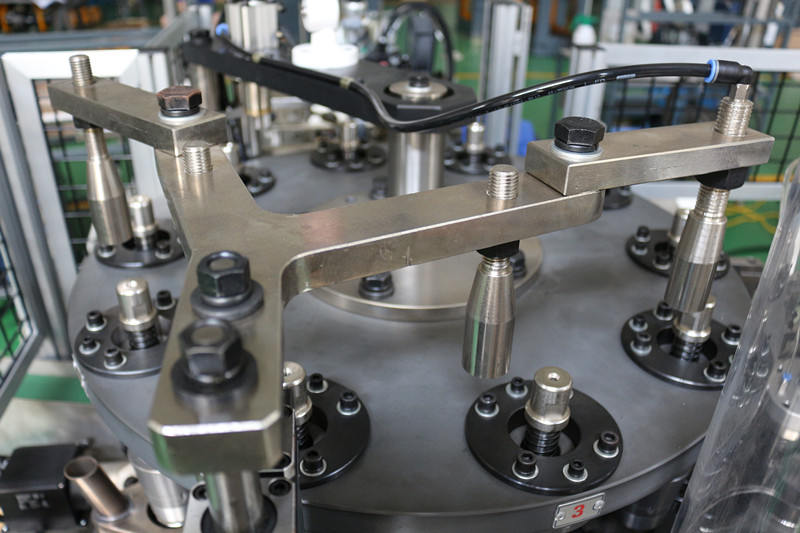
Check piping layout and pressure loss
- Pipe size: select a line that can carry the required flow without excessive pressure drop.
- Distance: account for the distance between the compressor room and the paper cup machine.
- Connections: use suitable fittings and check joints for leakage before startup.
- Drainage: arrange low-point drains or other moisture-control measures where needed.
- Access: keep regulators, filters and service points visible and easy to maintain.
Coordinate air supply with other factory utilities
Compressed air should be planned together with power, floor layout and supporting equipment. Confirm local voltage and frequency using our paper cup machine voltage guide. For a complete preparation sequence, review the installation and startup checklist.
Projects with several machines should also map material flow and operator access. Our paper cup production line guide explains how forming equipment fits with upstream and downstream processes.
Information to send your machine supplier
- Paper cup machine model and quantity
- Cup size range and target production speed
- Other pneumatic equipment operating at the same time
- Local voltage, frequency and phase
- Daily operating shifts and expected production schedule
- Ambient temperature and humidity where relevant
- Approximate pipe distance from the compressor to the machine
- Destination country and factory layout information
Startup checks before production
Before the first production run, confirm that the air line is connected correctly, the regulator is set according to the machine documentation and the line is free from obvious leaks or accumulated water. Observe the pneumatic actions during low-speed testing before moving to normal production. Record the initial settings so operators have a baseline for later checks.
Frequently asked questions
Can one compressor supply several paper cup machines?
Yes, if its usable capacity, pressure stability, air treatment and piping system are designed for the combined simultaneous demand. The calculation should include all connected pneumatic equipment and operating conditions.
Is there one standard compressor size for every paper cup machine?
No. Air requirements vary by model, configuration and project layout. Confirm the machine-specific requirement before purchasing the compressor.
Should the compressor be placed beside the machine?
Not necessarily. Placement should consider ventilation, noise, service access and pipe distance. A longer or restrictive air line can increase pressure loss, so the full layout should be considered.
What causes unstable pneumatic operation?
Possible causes include insufficient compressor capacity, pressure drop, leakage, moisture, blocked filters or incorrect regulation. Follow the equipment documentation and check the air supply systematically before changing machine settings.
Choose the machine and utilities as one project
Buyers comparing configurations can review the HN-M100 automatic paper cup machine, the HN-S120 model and the full paper cup machine range. Planning the compressor and utilities early helps reduce avoidable installation delays.
Send your cup size, target output, machine quantity, local voltage and destination country through our inquiry page. HANNAI will confirm the machine configuration and the information needed for your compressed-air plan.