A useful spare-parts plan is model-specific. Buyers should identify wear items, service parts, tools and records before commissioning instead of ordering an unverified generic kit.
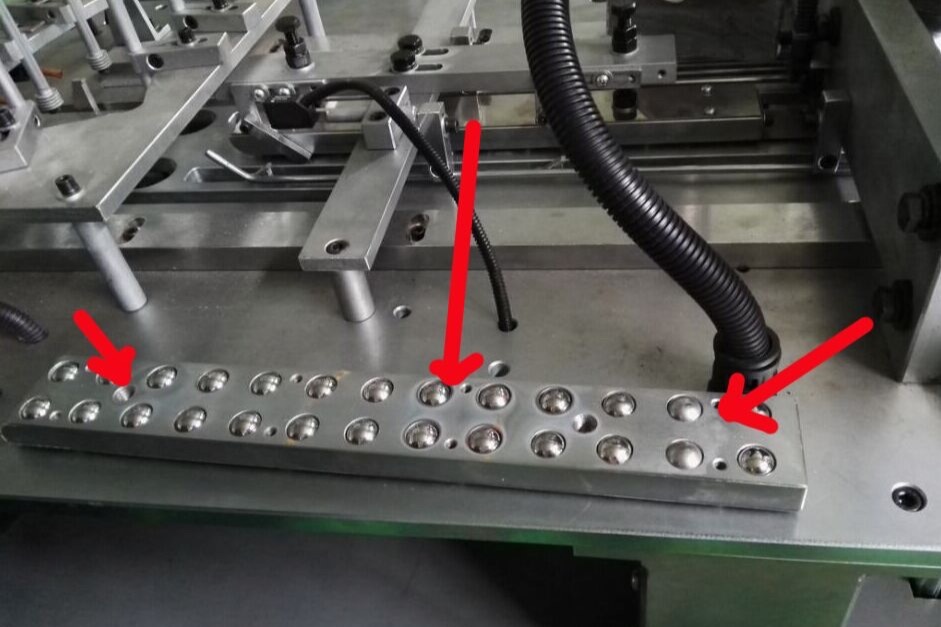
Why prepare spare parts before startup?
International buyers may face longer delivery times than domestic factories. A small wear item can create avoidable downtime if the part cannot be identified quickly. The practical goal is not to buy the largest possible box of parts. It is to keep the correct critical items, accurate records and a clear supplier contact process.
Confirm the machine model and configuration first. An HN-M100 automatic paper cup machine, an HN-S120 paper cup making machine and a higher-speed configuration may use different parts. A component that looks similar is not automatically interchangeable.
Build the checklist by machine function
Ask the supplier to identify the recommended parts for the exact machine being shipped. A clear checklist can group items by function:
| Part group | Questions to confirm | Record to keep |
|---|---|---|
| Paper feeding and transfer | Which wear or adjustment parts are model-specific? | Part name, code, position photo and quantity |
| Side and bottom sealing | Which consumable or service items support the fitted sealing configuration? | Machine configuration and approved replacement specification |
| Forming and mould area | Which contact parts require inspection during production or changeover? | Cup SKU, mould set and dimensional reference |
| Pneumatic components | Which filters, seals or fittings should be available for normal service? | Pressure requirement, component model and connection size |
| Electrical and control | Which approved service items can be replaced by trained personnel? | Component label, rating and wiring reference |
| Lubrication and routine service | Which lubricant, filter or service interval applies to this machine? | Manual reference and completed maintenance date |
Separate wear items from critical service parts
Wear items are inspected or replaced according to condition and the maintenance plan. Critical service parts are items whose failure could stop production and whose delivery time may be long. The same part can have different priority depending on the factory location, operating hours and number of machines.
Use the paper cup machine maintenance checklist to connect spare-parts stock with inspection records. Do not replace parts simply because a calendar date has passed, and do not continue operating a damaged component because a spare is unavailable. Follow the machine documentation and supplier guidance.
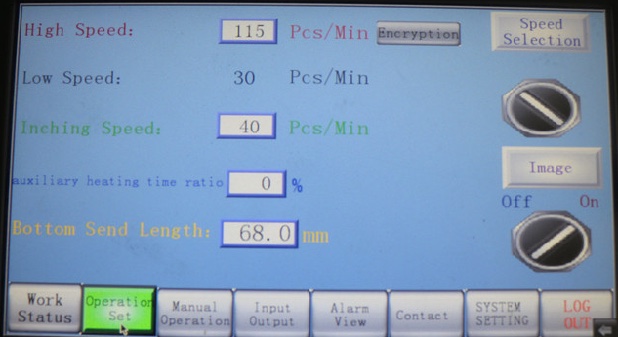
Use photos and codes to avoid ordering mistakes
Part names alone can be ambiguous. When requesting support, send the machine model, serial number, part code where available, clear photos of the installed position and a description of the fault. Photograph both the complete assembly and the label or damaged area. Do not remove guards or open electrical areas unless the machine is safely isolated and the work is performed by qualified personnel.
Plan stock according to lead time and usage
- Operating schedule: a multi-shift factory has different service exposure from occasional production.
- Number of machines: several identical machines may share some stock, while different models need separate identification.
- Shipping time: include customs and local delivery when deciding minimum stock.
- Local availability: standard fittings or electrical items may be sourced locally only after the exact rating is confirmed.
- Storage conditions: protect parts from moisture, dust, deformation and loss of labels.
- Revision control: update the list when a machine component or supplier-approved replacement changes.
Keep a simple spare-parts register
A spreadsheet or maintenance register should include the part name, supplier code, machine model, storage location, quantity on hand, reorder point, last use and related fault record. Use one controlled naming system. This is especially important when several cup sizes or mould configurations are stored in the same factory.
Frequently asked questions
Can I use a universal spare-parts kit for any paper cup machine?
No. Some items may appear similar, but compatibility depends on the model, configuration, rating and installed component. Confirm each part against the machine record.
How many spare parts should I order?
The quantity depends on expected wear, operating hours, machine quantity, local sourcing and replenishment lead time. Ask for a recommended startup list and adjust it using actual maintenance data.
What should I send when requesting a replacement part?
Send the machine model and serial number, part code if available, clear photos, the installed location, alarm information and a brief description of what happened before the fault.
Should operators replace electrical parts?
Only trained and authorized personnel should perform work within their approved scope. Electrical service should follow the machine documentation, isolation procedure and local safety requirements.
Send your machine model, cup range, operating schedule and destination country through our inquiry page. For an existing machine, include the serial number and clear component photos.