Define commissioning, training, remote support, spare parts, warranty boundaries and service records before a paper cup machine order is finalized.
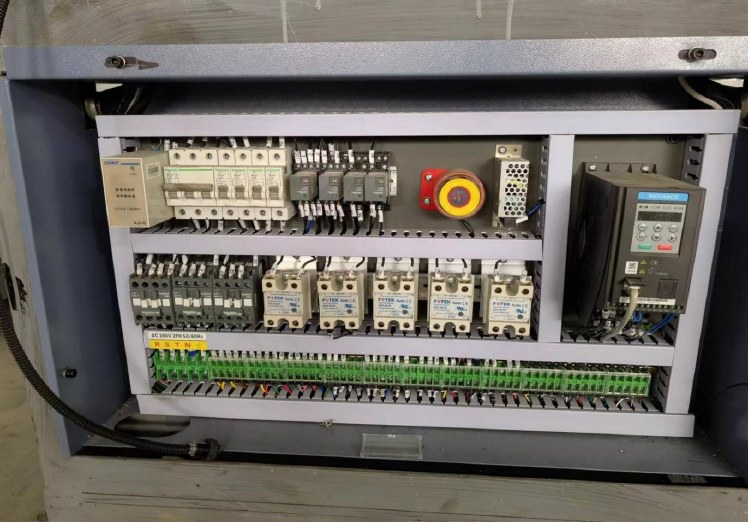
Turn “after-sales service” into a written scope
After-sales service can refer to many different activities: installation guidance, commissioning, operator training, remote diagnosis, replacement parts or on-site support. Buyers should define which activities are included, optional or handled locally before comparing suppliers.
The service plan should identify the exact machine, destination, factory readiness and buyer team. A general promise cannot replace a written responsibility table.
Use a service-scope checklist before ordering
| Service item | Points to confirm | Evidence or output |
|---|---|---|
| Pre-installation | Layout, power, compressed air, unloading and storage requirements | Factory preparation checklist |
| Installation | Supplier and buyer tasks, required tools, technicians and schedule | Responsibility and completion record |
| Commissioning | Test cup, material, mould, acceptance checks and production records | Commissioning report and accepted samples |
| Training | Operator, maintenance and safety topics; language and delivery method | Training material and competency sign-off |
| Remote support | Contact channel, service hours, evidence required and escalation path | Case number or service log |
| Spare parts | Initial list, identification method, consumables and shipping process | Parts register with machine reference |
| Warranty | Covered items, period, exclusions and labor, freight or travel responsibility | Written warranty terms |
Prepare the factory before service starts
Remote or on-site commissioning cannot correct an unprepared factory. Confirm the electrical supply, compressed air, machine position, access route, foundation or floor condition, material, tools and responsible personnel before scheduling support.
Use the installation and startup checklist to coordinate utilities, unloading, inspection and the first controlled production run.
Define commissioning inputs and acceptance
Identify which cup, paper, coating and mould will be used during commissioning. Confirm who supplies the material, how much is required, which functions will be demonstrated and how accepted cups will be checked.
If the purchase includes several cup sizes or connected equipment, state which combinations are commissioned together and which need later validation. Keep a record of open actions, responsible parties and required evidence.
Separate operator and maintenance training
Operator training should cover safe preparation, approved startup, first-piece checks, routine observation, normal stopping and fault escalation. Maintenance training may cover inspection, lubrication, service records and part identification within the agreed scope.
Define who may change settings or perform service work. Training should use the delivered machine and documentation. The operator training checklist can help structure competency sign-off.
Create a remote-support evidence package
Remote diagnosis is faster when the supplier receives consistent information. Keep the machine model, serial number, cup specification, material batch, operating condition, alarm record, clear photos or video, retained cup samples and recent changes together.
Describe when the issue began and whether it followed a mould change, material change, maintenance action, stop or restart. Avoid changing several settings before recording the original condition.
Build a machine-specific spare-parts register
Part names alone can be ambiguous. Record the machine model, serial number, part location, part code where available, clear photos and replacement history. Separate routine consumables from critical parts that may affect production continuity.
Review the paper cup machine spare-parts checklist before shipment. Confirm the initial parts included with the order and the process for identifying and shipping later replacements.
Read warranty boundaries line by line
A warranty should identify the covered machine and period, the event that starts the period, excluded wear or consumable items, operating and maintenance obligations, and the evidence required for a claim.
Also clarify who is responsible for diagnosis, replacement-part freight, customs, local labor, supplier travel and accommodation if on-site service is needed. These items should not be assumed from a general “one-year warranty” statement.
Keep a service history for every machine
Use one service log for alarms, defects, maintenance, parts, supplier cases and completed actions. Record the machine operating condition before and after the action. This history helps identify recurring events and prevents each new support request from starting without context.
Link the service log to the preventive maintenance record and the factory’s shift reports.
Frequently asked questions
Is on-site installation always included?
No. It depends on the supplier, order and destination. Confirm whether support is remote or on-site and who pays travel, accommodation, local transport and other costs.
What should be completed before a technician arrives?
Complete the agreed unloading, positioning, utility, material, staffing and safety preparations. Send photos or checklist evidence before the service date.
What information is needed for a spare-parts request?
Provide the machine model and serial number, part location, clear photos, dimensions or code where available, quantity and the destination address.
Does warranty replace preventive maintenance?
No. Buyers still need to follow the machine documentation, approved operating procedures and maintenance requirements. Warranty and routine maintenance have different purposes.
Send your cup range, selected equipment, destination, factory condition and required commissioning or training scope through our inquiry page. HANNAI can clarify the support information with the machine configuration.