A paper cup machine remote troubleshooting request should provide safe, traceable evidence about the machine, cup, material, event timeline, alarms and recent changes.
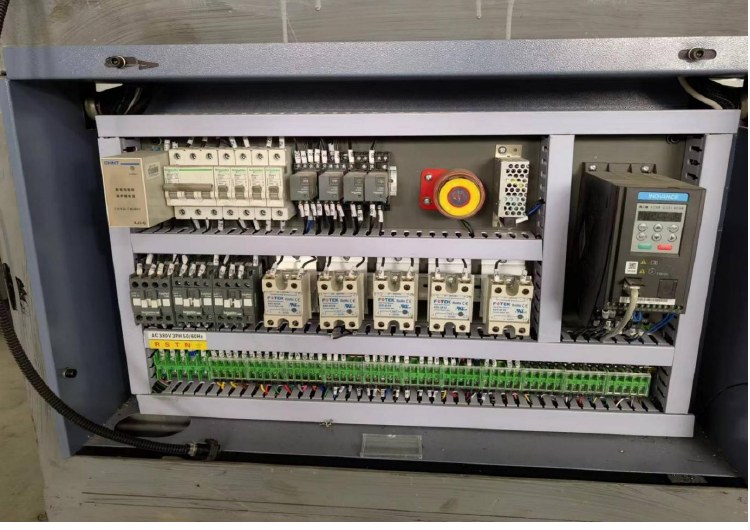
Make the machine safe before collecting evidence
Stop production when the condition presents a safety, electrical, fire, product-quality or equipment-damage risk. Follow the machine manual and factory escalation procedure. Remote advice does not authorize bypassing guards, interlocks or local safety requirements.
Only qualified personnel should open electrical cabinets, measure live circuits or work around stored pneumatic, thermal or mechanical energy. Record evidence from a safe position unless the approved procedure specifically requires otherwise.
Open one case with one identity
Provide the machine model, serial number, delivery or order reference, factory location and responsible contact. State the affected cup SKU and whether production is stopped, restricted or continuing under an approved decision.
Use one case number or message thread for the event. Scattered photos and updates without machine identity make it difficult to reconstruct the sequence.
Prepare a structured evidence package
| Evidence group | What to include | Question answered |
|---|---|---|
| Machine | Model, serial number, station and component location | Which configuration is affected? |
| Product | Cup drawing, SKU, defect samples and acceptance method | What result is unacceptable? |
| Material | Cup-fan and bottom-paper specification, batch and change history | Did the input condition change? |
| Event | Start time, alarm, sequence, frequency and operating phase | When and how does it occur? |
| Recent work | Changeover, cleaning, maintenance, part or setting changes | What changed before the event? |
| Media | Overview, close-up, normal comparison and short video | What can remote support observe? |
Describe the symptom without guessing the cause
Write what was observed: alarm text, stop location, noise, cup defect, temperature indication, missed feed or other visible event. Keep this separate from an unconfirmed statement such as “the sensor is broken.”
State whether the condition is continuous or intermittent and how many times it occurred. Clear observations allow the support team to test possible causes in a controlled order.
Record the event timeline
Include the last known normal production, first abnormal cup or alarm, stop and restart attempts, actions taken and current machine condition. Use local time and shift information so photos, alarms and production records can be aligned.
Link the case to the production record and KPI guide definitions for machine time, output, rejects and stoppages.
Provide cup and material evidence
Send the cup drawing or controlled dimensions, cup-fan and bottom-paper specification, coating, batch identities and retained normal and defect samples. State whether the issue followed a new supplier, batch, print, storage condition or material return.
Photograph the defect from consistent angles with a scale or reference when dimensional location matters. Do not discard all abnormal cups before the case is understood.
Capture useful photos and video
Begin with an overview that shows the machine station, then add a close-up of the relevant part or product. Keep lighting stable, show labels clearly and avoid rapid camera movement. A short video should include the event sequence, not only the machine after it stopped.
When safe, provide a normal comparison from the same angle. Do not place hands, cameras or loose items inside a moving or energized hazard area to obtain footage.
Save alarms and operating indications
Record the exact alarm text or code, time, screen page and machine state. If the alarm clears after restart, keep the original photo or log rather than sending only the final normal screen.
Do not share passwords, private network details or unrestricted remote access. Use the supplier’s authorized support channel and the factory’s information-security rules.
Confirm utilities through qualified checks
Voltage, phase, grounding, compressed air and other utilities can affect operation, but measurements must follow the machine documentation and local safe-work procedure. Provide the measurement point, instrument, time and operating condition when readings are requested.
Use the voltage guide and compressed-air checklist to organize project information without assuming one universal requirement.
Preserve the original condition
Before changing settings, replacing parts or moving sensors, record the original value, position and evidence. Multiple undocumented adjustments can remove the clues needed to identify the event and create a second problem.
Make one authorized change at a time, record who requested it and compare the result under the same cup, material and operating condition.
Identify parts unambiguously
For a suspected component, provide machine identity, part location, overview and close-up photos, label or code where available, connections and relevant dimensions. Part colour or a general name is not enough for reliable selection.
The spare-parts checklist explains how to build a machine-specific register before an urgent request.
Close the case with a controlled test
After an approved action, test with the defined cup and material and record duration, output, inspection result and remaining restrictions. A short restart without the original load or SKU may not prove that the condition is resolved.
Update the service and maintenance history with the confirmed cause when known, action, parts, settings, evidence and verification result. Use the after-sales service checklist to define escalation and responsibility before the next case.
Frequently asked questions
What should be sent first for remote support?
Send machine and cup identity, the exact symptom or alarm, event time, material batch, recent changes, safe overview photos and a short sequence video.
Should operators change several settings before contacting support?
No. Preserve the original condition and make only documented, authorized changes so cause and effect remain traceable.
Can remote support replace an on-site qualified technician?
Not for every task. Electrical, safety-critical or complex mechanical work may require qualified local or supplier personnel according to the agreed service scope.
How is a troubleshooting case verified as closed?
Repeat the agreed test with defined material and conditions, inspect accepted output and record the result and any remaining restrictions.
Send your machine requirement, cup drawing, material, factory utilities and support scope through our inquiry page. HANNAI can discuss configuration and after-sales information for the equipment.