Paper cup production change control helps a factory assess, approve, test and document changes before they affect quality, output or traceability.
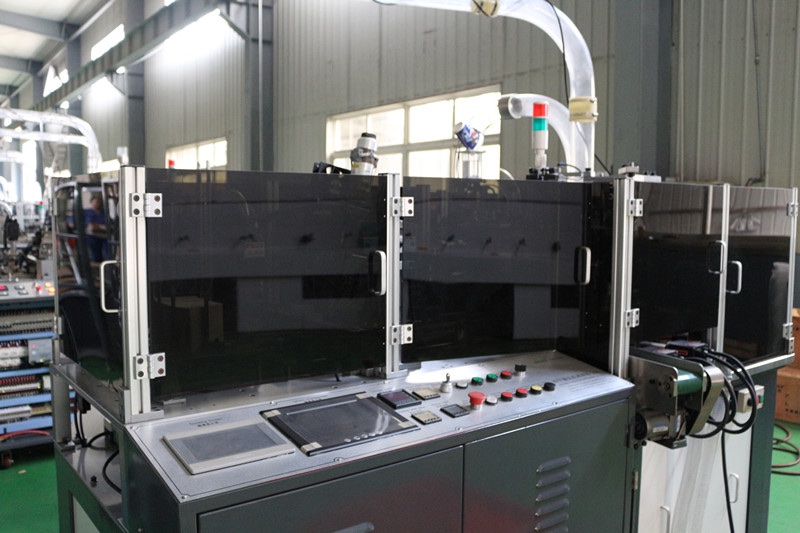
Control changes before they reach normal production
A paper cup line changes frequently: a new cup, another paper batch, replacement tooling, adjusted settings, repaired components or revised packing requirement. Some changes are routine, while others can affect product conformity, machine safety, capacity or customer approval.
A simple change-control process separates temporary adjustment from an approved new standard. It creates evidence for what changed, why, who approved it and whether the expected result was achieved.
Classify the change and required evidence
| Change category | Possible impact | Minimum control question |
|---|---|---|
| Cup specification | Dimensions, tooling, quality and packing | Is a new drawing and sample approval required? |
| Paper or coating | Feeding, forming, sealing and appearance | Has the exact material been trialed and identified? |
| Mould or change parts | Fit, dimensions, setup and repeatability | Does identity match the approved SKU? |
| Machine settings | Quality, speed, wear and stability | Who may approve the new controlled reference? |
| Component or software | Function, interfaces, alarms and recovery | Are compatibility, backup and rollback defined? |
| Utilities or layout | Safety, pressure, power and material flow | Do drawings and risk controls need revision? |
| Inspection or packing | Release decisions, count and customer requirement | Has quality and customer impact been reviewed? |
Define what counts as a controlled change
Create categories and thresholds that fit the factory. Routine adjustments inside an approved setup window may be recorded in the production log, while a new material, altered mould, software change or revised acceptance method may require formal approval.
The rule should be clear enough that operators know when to stop and request review. Avoid relying on personal experience alone to decide whether a change is significant.
Open a change request with a clear reason
Record the current condition, proposed condition, reason, affected machines and SKUs, requested date and owner. Attach evidence such as drawings, supplier information, defect trends, capacity data or maintenance findings.
Separate a permanent improvement from an emergency temporary measure. Temporary controls need an expiry or review point and must not become an undocumented standard.
Assess product and process risk
Review possible effects on cup dimensions, seams, bottom formation, rim, appearance, traceability, output, waste, packing and operator work. Include machine safety and maintenance risks where the change affects equipment or utilities.
When the change follows a defect, use the defect containment guide to protect affected product while the proposed action is evaluated.
Assign the right approvers
Production may own scheduling, but quality should approve product and inspection effects, maintenance or engineering should review equipment work, and purchasing may need to control a new supplier or material. Customer approval may be required when the agreed specification changes.
Define authorization by change type. A signature should represent a completed technical review, not only awareness that the request exists.
Plan a controlled trial
State the machine, mould, material, setup reference, trial quantity or duration, inspection method and acceptance decision before starting. Change one major variable at a time where practical so results remain interpretable.
Use the sample approval checklist for a new or materially revised cup. Trial output should remain identified and on hold until disposition is authorized.
Protect settings and software versions
Record the approved setting or recipe before modification and define how it can be restored. Where software or programmable configuration is involved, maintain an authorized backup and confirm compatible hardware and access ownership.
Never place passwords or service credentials in a general change record. Technical work should be performed only by qualified personnel following the machine supplier’s instructions and factory isolation procedures.
Verify the result beyond the first cup
First-good approval confirms an initial sample, but a change may also affect sustained stability, reject rate, packing flow or tooling condition. Define a follow-up period and compare accepted output, quality and downtime with the original objective.
The production record and KPI guide helps keep before-and-after evidence comparable.
Update every affected document
Revise drawings, bills of material, setup sheets, inspection plans, maintenance instructions, spare-parts lists, training material and purchasing specifications as applicable. Identify the effective revision and withdraw outdated working copies.
The technical documentation checklist can be used to find downstream records that need revision.
Train people before the effective date
Explain what changed, why it changed, the new method, quality boundary and escalation point. Confirm competency when the change introduces a new setup, inspection or maintenance task.
Coordinate the effective date with material labels, tooling availability and production scheduling. Mixed old and new instructions create avoidable traceability risk.
Close or reverse the change
Close the request only after approvals, trial results, document updates, training and follow-up evidence are complete. If the trial fails, identify affected output, restore the approved previous condition where safe and record what was learned.
Review recurring emergency changes and repeated adjustments. They may indicate a deeper maintenance, material, training or specification problem.
Frequently asked questions
Does every machine setting adjustment need formal approval?
Not necessarily. The factory should define approved adjustment ranges and which changes require formal review, based on risk and responsibility.
Who owns paper cup production change control?
One coordinator can manage the record, but production, quality, engineering, maintenance and purchasing should approve the parts relevant to them.
Can trial cups be shipped?
Trial output should remain identified and controlled until an authorized quality or customer decision permits release.
What if an urgent repair requires a substitute part?
Record it as a controlled deviation, assess compatibility and risk, define temporary limits and obtain approval before normal production resumes.
Send your cup drawing, paper structure, target output and change requirements through our inquiry page. HANNAI can discuss machine and tooling configuration considerations.