A paper cup machine technical documentation checklist helps buyers confirm what must be approved, delivered and kept under revision control from quotation through production handover.
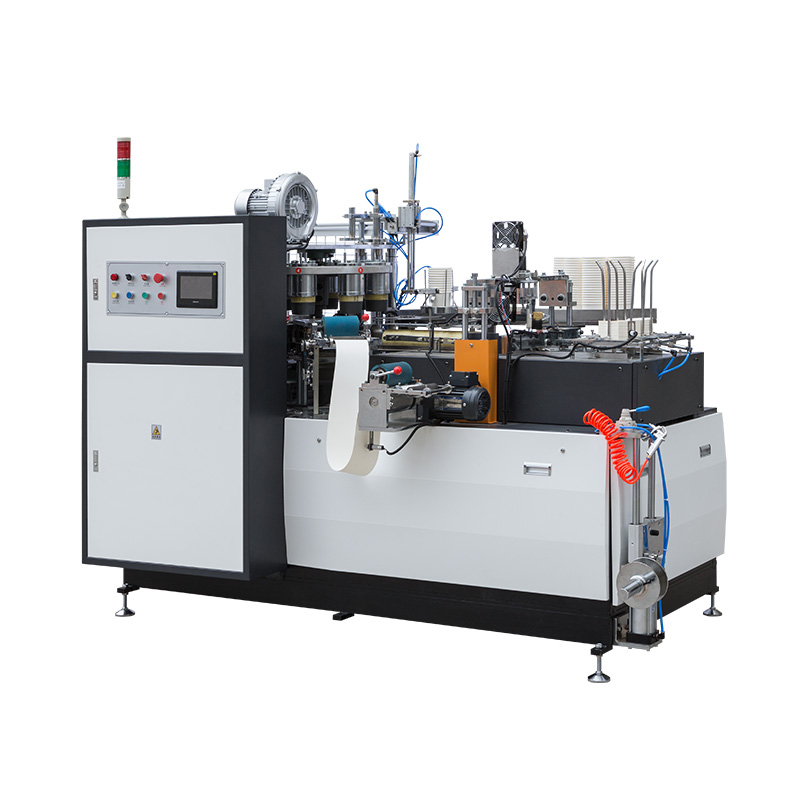
Treat documentation as part of the machine scope
A machine can arrive in good physical condition and still be difficult to install, accept or maintain when drawings, manuals and records are incomplete. Buyers should therefore define the documentation package before the purchase order, assign approval points and keep a document register throughout the project.
The exact package depends on the machine, options, destination and contract. The checklist below is a commercial and project-control starting point, not a substitute for local legal, electrical or safety requirements.
Build a controlled document register
| Document group | Why the buyer needs it | Buyer check |
|---|---|---|
| Machine identity and supply scope | Connects the documents to the purchased equipment | Model, serial identity, options and exclusions match the order |
| Confirmed technical data | Records the approved configuration and performance basis | Cup range, material assumptions and utilities are project-specific |
| Layout and utility requirements | Supports floor, access, power and compressed-air planning | Revision, dimensions, connection points and service clearance are clear |
| Electrical and pneumatic information | Supports installation and qualified troubleshooting | As-built diagrams correspond to installed components |
| Operation and safety instructions | Supports authorized startup, operation and shutdown | Language, warnings and responsibility limits suit the project |
| Maintenance and lubrication plan | Defines planned care and inspection | Task, interval basis, lubricant and qualified role are identified |
| Mould and change-part list | Identifies product-specific tooling | Parts are linked to the confirmed cup specification |
| Spare-parts information | Supports stocking and future ordering | Part identity, quantity basis and lead-time risk are understandable |
| FAT, commissioning and training records | Creates evidence of tests, open items and handover | Results, acceptance status, owners and dates are signed |
| Software and configuration records | Protects recoverability and authorized settings | Ownership and backup method are defined without exposing passwords |
Define required documents before the order
List each deliverable, responsible party, required language, file format, planned issue date and approval status in the quotation or contract attachments. State whether editable source files are required or whether controlled PDF copies are sufficient. Do not assume that “manual included” covers layouts, diagrams, parts lists and acceptance records.
Use the supplier evaluation guide to confirm who prepares the documents and who can answer technical questions during the project.
Separate reference, approval and as-built issues
A document marked for reference should not silently become the approved installation basis. Give every controlled file a title, machine or project reference, revision, date and status. When the buyer comments on a drawing, the supplier should return a revised issue or a documented response.
After manufacturing changes, issue as-built documents that reflect the delivered machine. Retain superseded revisions for traceability, but prevent them from being used accidentally on the factory floor.
Confirm layout and utility information early
The buyer needs enough information to plan machine position, operator access, maintenance space, material movement, finished-product flow and utility connections. Confirm whether dimensions refer only to the machine body or include feeders, conveyors, electrical cabinets and required working clearance.
Coordinate the final drawing with the installation and startup checklist. Site preparation based on an old or generic layout can delay commissioning even when the machine is ready.
Check diagrams against the delivered configuration
Electrical and pneumatic diagrams are useful only when component references, terminal information and device identification correspond to the actual build. Qualified personnel should compare them during factory testing and again after installation changes.
Record approved field modifications as redlines and incorporate them into the controlled as-built set. Technical work must follow the manufacturer’s instructions and the factory’s authorized safety and isolation procedures.
Make manuals usable for assigned roles
Operation information should cover the approved startup, normal running, controlled stop, emergency response boundaries, changeover and routine checks. Maintenance information should distinguish operator care from work reserved for trained maintenance or electrical personnel.
Confirm the language and terminology before delivery. A translated manual still requires review when control-screen labels, part names and training materials use different terms.
Link tooling and spare parts to clear identities
Moulds, change parts and recommended spares should be linked to machine identity and the approved cup specifications. Photographs can support identification, but controlled part numbers, descriptions or supplier references are needed for repeat orders.
Use the mould changeover guide and spare-parts checklist to separate product tooling from general wear, electrical and pneumatic items.
Verify documents during FAT and commissioning
Do not postpone the document review until the packing list is issued. During the factory acceptance test, sample the manual steps, verify drawing references, compare the installed options and record missing or incorrect items.
At installation, update utility connections, commissioning results, parameter references, training attendance and open actions. Close the documentation package only when agreed corrections are delivered and accepted.
Control configuration backups and access
Where the confirmed machine includes programmable settings or software, define who may change them, how authorized versions are backed up and how recovery support is requested. Store backups in a controlled location and test the recordkeeping process before production depends on it.
Passwords, private keys and service credentials should never be printed in a general manual or shared in an uncontrolled project folder. Define secure ownership and recovery responsibilities separately.
Close handover with owners and signatures
The final register should show delivered revision, medium, language, acceptance status and storage location for each item. Assign an owner for unresolved documents and a due date. Training completion does not automatically close missing drawings or open commissioning evidence.
Keep the package accessible to operations, quality and maintenance according to their roles. Review it when the machine configuration, cup range or local requirements change.
Frequently asked questions
When should a buyer request the documentation list?
Before the order is finalized. This allows the supplier to price, schedule and confirm project-specific drawings, languages, formats and acceptance records.
Is a generic paper cup machine manual sufficient?
Usually not by itself. The buyer should verify that technical data, options, diagrams, tooling and procedures correspond to the delivered configuration.
Which documents should be checked during FAT?
Check machine identity, confirmed specifications, diagrams, manual procedures, tooling and spare-parts references, test records and the current open-document register.
How should document revisions be controlled?
Use a document number, revision, date, status and owner. Withdraw superseded working copies and issue an as-built set after approved changes.
Send your cup range, destination, utility conditions, document language and acceptance requirements through our inquiry page. HANNAI can discuss the documentation scope for the proposed machine configuration.