Hamburger box machine adhesive-delivery and nozzle maintenance must begin by identifying the bonding system actually supplied with the carton erecting machine. Adhesive type, delivery pressure, heating, application pattern and cleaning method vary by configuration. A weak corner bond can originate in the blank, fold geometry, compression time or contamination even when adhesive is visible, so increasing glue is not a reliable first response.
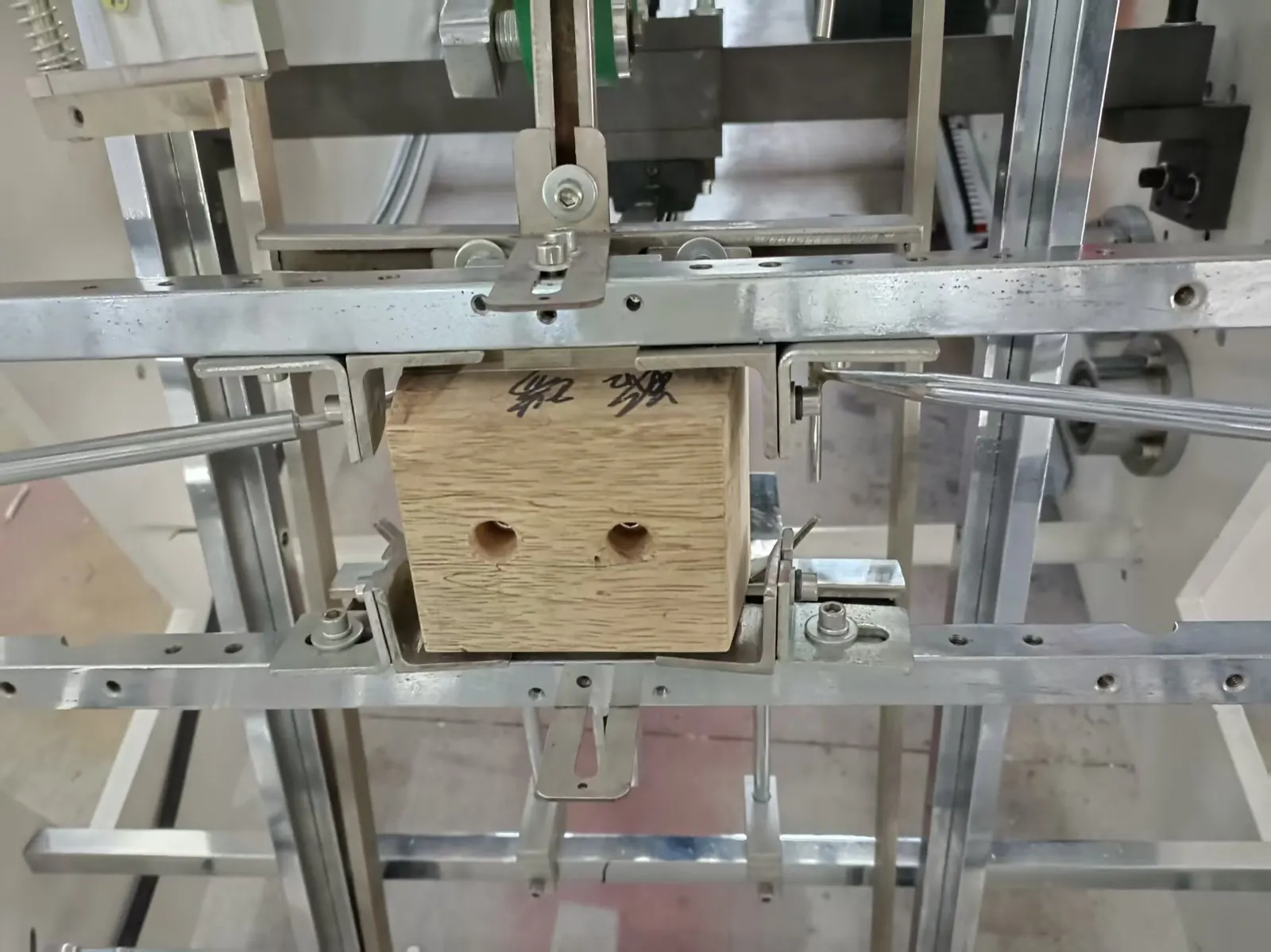
Confirm adhesive and equipment identity
Record the machine model, adhesive system manufacturer, adhesive product and lot, operating method, hose and nozzle identity, carton blank and approved application pattern. Review the safety data, supplier instructions and delivered machine documentation. Do not mix adhesives or cleaning chemicals based on appearance.
The feeding, forming and gluing troubleshooting guide covers the full carton process. This guide focuses on material delivery from the adhesive source to the application point and the evidence required before changing a recipe.
Map the bond defect to the application pattern
Open accepted and defective cartons carefully and mark the location, width and continuity of the adhesive trace. Separate missing application, intermittent dots or lines, stringing, overspray, adhesive outside the target, contamination, weak fiber tear and a bond that opens after cooling or handling.
Compare the defect with blank position and fold sequence. Adhesive can be correctly dispensed but miss the joint because the blank arrived late or shifted. It can also be present while compression, surface compatibility or cure condition is insufficient. Retain the blank lot and both formed and unformed samples.
Use a glue-delivery evidence table
| Observed pattern | Evidence to inspect | Diagnostic direction |
|---|---|---|
| Application missing intermittently | Trigger signal, adhesive supply, nozzle condition and cycle timing | Separate control timing from restriction or supply interruption |
| Pattern lands beside the joint | Blank registration, nozzle support and fold timing | Check product presentation before changing quantity |
| Stringing or tailing | Adhesive identity, nozzle closure, contamination and approved condition | Review material and applicator condition |
| Bond weak despite visible adhesive | Surface, fold pressure, contact time, storage and adhesive compatibility | Evaluate the whole bonding process |
| Fault worsens after warm-up | Actual controller evidence, hose and nozzle state and application trend | Check heat-related control and material behavior |
Isolate pressure, heat and motion before maintenance
Follow the adhesive-system and machine lockout procedures. Hot adhesive, heated hoses, pressurized material and automated actuators can remain hazardous after the production stop. Relieve pressure and confirm a safe temperature using the documented method before disconnecting or removing a nozzle.
Wear the protection required by the adhesive safety data and site procedure. Never place hands or paper in front of an energized applicator to test firing. Use the approved collection and test method.
Inspect the path from supply to nozzle
Check adhesive level and identity, inlet condition, filters, pump or pressure source, heated zones if fitted, hoses, connectors, manifold, valve and nozzle. Look for leakage, kinks, damaged insulation, loose supports, contamination and an incorrect replacement component. Record controller evidence before changing it.
Clean only with tools and materials approved for that adhesive system. Do not drill or scrape a precision nozzle opening, apply flame or use an incompatible solvent. Replace damaged filters, seals or nozzles with confirmed parts and restore their orientation and support references.
Verify trigger timing and carton presentation
From outside guarded areas, compare blank arrival, trigger indication, adhesive application, fold and compression in an authorized slow cycle. If the pattern is displaced, determine whether the nozzle moved, the blank position changed or the trigger sequence is late. Preserve the original setting and adjust only through the supplier-approved method.
Inspect blank flatness, score condition, coating, print contamination and storage history. The machine cannot create a consistent bond if the joint surfaces do not meet as designed. Do not increase adhesive volume to compensate for an incorrectly formed carton.
Approve the bond with a controlled trial
Restore covers and guards, confirm all tools are removed and restart through the documented warm-up or preparation sequence. Run identified cartons at controlled stages. Measure or judge the application pattern and bond using the factory’s approved product test and acceptance sample.
Record the adhesive lot, blank lot, recipe, nozzle and filter service, sample result and follow-up check. Verify the carton after the relevant cooling, handling or storage interval rather than releasing it from one immediate visual check.
Frequently asked questions
Should more adhesive be applied when a corner bond opens?
Not before checking blank position, surface compatibility, fold geometry, compression and the existing pattern. Excess adhesive can contaminate tooling and still fail to correct the cause.
Can a blocked nozzle be cleaned with any solvent?
No. Use only the method approved by the adhesive and applicator suppliers. An incompatible chemical can create safety, material and equipment damage risks.
Why does the glue pattern move after a carton-size change?
Blank guides, trigger reference, nozzle support, folding sequence or recipe may not match the new format. Compare the complete changeover record and approved sample.
What evidence helps the supplier review the fault?
Send the machine and adhesive-system models, adhesive and blank labels, opened bond samples, pattern photographs, controller evidence, first alarm, safe cycle video and recent service changes.
Send the carton drawing, blank and adhesive identities, applicator configuration, opened samples, approved recipe and safe sequence evidence through our inquiry page. HANNAI can review the glue-delivery and forming relationship for the supplied machine.