A paper cup machine overload clutch or torque limiter is a protective device where included in the delivered drive. Its trip is evidence that motion met abnormal resistance or exceeded the device’s release condition; it is not merely a nuisance reset. Re-engaging protection before locating the obstruction can damage tooling, shafts, chains, gears or partly formed cups and may create a more hazardous jam.
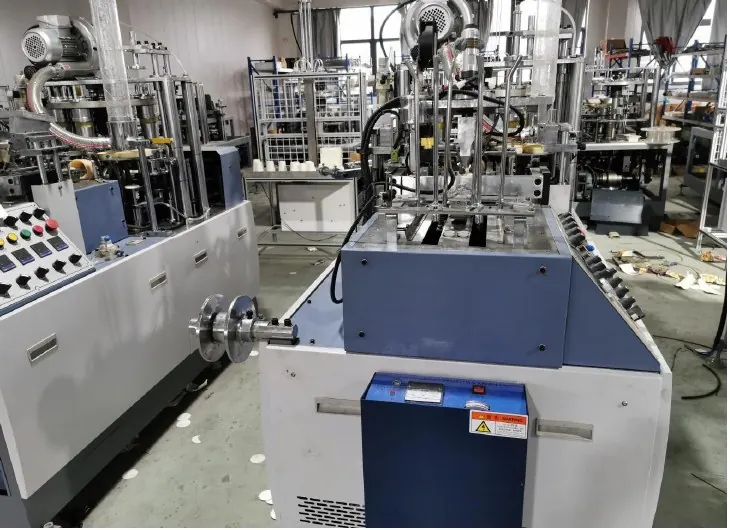
Identify the actual protective device
Review the drive diagram, parts list, electrical drawings and machine manual. Record the device manufacturer and model where accessible from documentation, the protected mechanism, trip indication, reset method and any position reference. Some faults described as a “clutch trip” may instead be a motor overload, drive alarm, shear component or control stop.
The VFD and motor-drive guide helps when the event is electrical. This guide applies only after the installed mechanical or electromechanical protection has been identified correctly.
Freeze the first-trip evidence
Record the exact cycle position, HMI alarm, sound, material in process, product SKU, speed stage and recent changeover or maintenance. Photograph the external device indication and machine position without entering a guarded area. Preserve cups, blanks or bottom pieces associated with the event.
Do not jog repeatedly to “find the tight spot.” Repeated engagement can move or crush the original evidence. If the trip followed a jam, note the first deformed item and which component contacted it before parts are cleared.
Use an overload evidence table
| Trip pattern | Evidence to compare | Diagnostic direction |
|---|---|---|
| Trip at the same cycle position | Station, product contact, cam or linkage position and obstruction | Find repeat mechanical resistance |
| Trip began after changeover | Part identity, seating, references, tooling and first-off record | Confirm the complete approved setup |
| Trip appears only at higher output | Motion completion, lubrication, product flow and load evidence | Review lost sequence margin or rising resistance |
| Device will not re-engage | Reset position, damage, preload method and remaining load | Stop repeated reset attempts and inspect the cause |
| Trip recurs with no product | Drive path, bearing, guide, shaft and isolated manual evidence | Focus on machine mechanics rather than material |
Isolate before clearing the mechanism
Stop through the approved procedure, apply lockout and verify isolation of electrical, pneumatic and stored mechanical energy. A tripped device does not guarantee that every downstream part is free of load. Secure elevated, spring-loaded or counterbalanced components before access.
Remove jammed material only by the documented method. Keep the first affected pieces labeled and avoid forcing the mechanism backward unless the supplier procedure permits it. Check guards, interlocks and tools before anyone enters the hazardous area.
Trace resistance through the protected drive
Inspect accessible shafts, couplings, chains or belts, cams, bearings, guides, tooling and transferred product associated with the device. Look for collision marks, loose fasteners, wrapped scrap, failed lubrication, displaced change parts, bearing play or a cup trapped between stations.
Compare the mechanism with reference marks and the last accepted setup. If the trip coincides with abnormal product presentation, work upstream to find why the material entered incorrectly. Resetting the limiter does not correct a double feed, tilted cup or late actuator.
Inspect the protective device without changing its setting
Follow the component manual for visible indication, engagement surfaces, fasteners, springs, detents, friction elements or sensors as applicable. Wear limits and setting methods are not universal. Do not tighten an adjustment nut or alter preload because the device “seems too sensitive.”
If the setting seal, witness mark or adjustment position has changed, preserve it as evidence and contact HANNAI or the device supplier. A limiter set too high may no longer protect the machine; a setting too low may trip during normal approved load. Both require controlled confirmation.
Reset only after the cause is removed
Confirm the mechanism is at the specified reset position and that no trapped load remains. Qualified maintenance personnel should use the device-specific reset procedure and approved tools. Account for all removed material and verify that the drive path can move by the permitted maintenance check.
Restore covers and guards before powered testing. Never hold or bypass the device to prevent another trip. If engagement cannot be confirmed or the device shows damage, keep the machine out of service until the correct part and repair method are approved.
Prove the restart in stages
Use the approved restart sequence, beginning with the lowest-risk controlled stage allowed by the supplier. Observe the same cycle point, HMI status and external motion. Stop if resistance, noise, heat or alignment changes return.
Then run labeled material and inspect consecutive cups. Record trip cause, removed obstruction, device condition, any replaced part, reset confirmation and product result. Use the recurring fault guide if the event repeats instead of treating each trip as isolated.
Frequently asked questions
Can an overload clutch be reset immediately after a jam?
No. Isolate the machine, preserve the event and remove the verified cause first. Stored energy and trapped product can remain after a trip.
Should the torque setting be increased if trips repeat?
No without supplier authorization and measured evidence. A higher setting can remove the intended protection while the mechanical cause remains.
Does every machine use the same reset procedure?
No. Devices may re-engage mechanically, automatically or through a documented sequence. Identify the exact supplied device and follow its instructions.
What information supports remote diagnosis?
Provide the machine and device identity, first alarm, cycle position, safe external photos or video, jammed material, drive-path findings and recent setup changes.
Send the machine model, protection-device identity, trip sequence, alarm history, affected product, isolated mechanism photos and recent changes through our inquiry page. HANNAI can review the evidence against the supplied drive protection.