Double-wall paper cup machine inner-cup de-nesting and loading faults occur before the outer sleeve can be wrapped or bonded correctly. A missed cup, two cups together, tilted presentation or inconsistent seating may originate in the incoming cup stack, rim and taper variation, separator setup, vacuum or mechanical pickup, static, guides or loading sequence. Troubleshooting must preserve both inner-cup identity and the sleeve station’s handoff evidence.
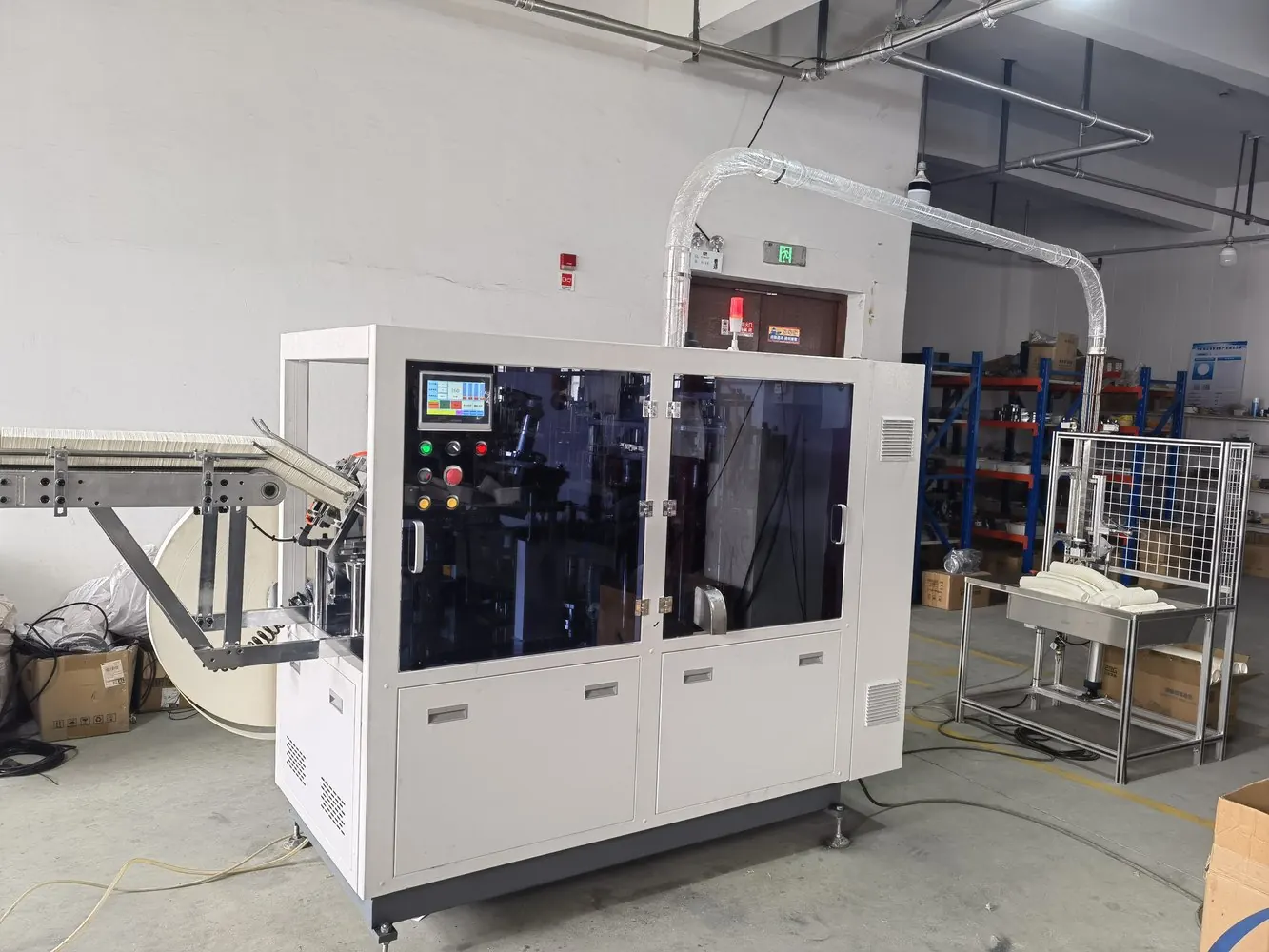
Define the inner-cup input requirement
Record inner-cup drawing, height, top and bottom dimensions, taper, rim and base condition, side-seam orientation, material, coating, production lot and approved stack. Confirm whether the delivered machine expects a specific cup orientation, stack count, magazine or manual loading method.
The sleeve wrapping and bonding guide covers the outer layer after loading. This article ends when one accepted inner cup is seated correctly for that process.
Classify the first loading fault
Separate no cup, delayed cup, two cups, cup dropped, rim caught, cup tilted, wrong orientation or cup present but not fully seated. Record stack height, machine state, speed stage, time since refill, cup lot, alarm and the exact location of the first abnormal contact.
Keep the involved cups in sequence. A cup damaged by the loading mechanism may have entered with an oval rim or unstable base. Compare it with cups from the same stack before they reach the machine.
Use a de-nesting evidence table
| Loading pattern | Evidence to compare | Diagnostic direction |
|---|---|---|
| Two cups separate together | Nesting depth, rim condition, static, separator action and stack pressure | Review product-to-product separation |
| Misses increase near low stack | Magazine follower, pickup reach, stack support and cup geometry | Confirm presentation across the allowed stack range |
| Cup tilts during handoff | Pickup symmetry, guide contact, rim roundness and release timing | Find the first loss of centered support |
| Fault follows one inner-cup lot | Dimensions, taper, rim, base, conditioning and stack behavior | Verify incoming cups before machine changes |
| Cup seats high at sleeve station | Base geometry, stop reference, guide obstruction and orientation | Separate product interference from loading position |
Inspect incoming stacks first
Use the factory’s approved sampling method to compare cup dimensions, roundness, rim continuity, base, seam and nesting depth. Record whether cups bind at one angular position or after storage. Packaging compression, humidity and upstream forming variation can change separation behavior.
The stackability and de-nesting quality guide provides the product-side method. Do not increase pickup force or open guides to compensate for an uncontrolled inner-cup lot.
Standardize magazine and stack preparation
Load cups in the documented direction, count range and orientation. Remove damaged cups and foreign material without manually reshaping rims. Confirm stack supports, follower or magazine surfaces are clean and that refilling does not compress or skew the stack.
Record whether faults follow a particular operator, refill method or stack level. A machine that runs only after every cup is manually loosened does not have a repeatable production input; identify the cup or separator condition.
Inspect separator and pickup under isolation
Stop the machine, apply lockout and verify electrical, pneumatic, vacuum and stored mechanical isolation before access. Secure followers, magazines and spring-loaded devices. Never pull a cup from a moving separator.
Inspect accessible separator fingers, rollers, suction cups where fitted, vacuum paths, grippers, guides, stops, sensors and fasteners. Look for coating transfer, paper dust, wear, cuts, displaced marks, hose damage or unequal contact. Clean and service only by the supplier procedure.
Verify detection and handoff sequence
Confirm what the delivered cup-present or double-cup sensor can detect. Compare physical cup position with the HMI or PLC indication using approved access. Detection can contain a loading error but does not correct poor separation.
Observe from outside guards as one cup separates, moves, releases and seats. Record whether the loading device clears before sleeve feeding begins. Do not change a delay to mask a cup that arrives tilted or remains attached to the stack.
Prove the complete double-wall product
After correction, account for tools, restore guards and use the documented restart. Run labeled inner cups through controlled stages and count misses, doubles, tilts and seating errors. Inspect any contact mark immediately after loading.
Then add the approved sleeve material and inspect overlap, seam, top and bottom gaps, rotation, bond and stacking. Keep loading rejects and accepted samples identified by sequence for review. Record inner-cup lot, sleeve lot, separator setup, sensor evidence and final product result. Loading is verified only when the assembled cup remains acceptable.
Frequently asked questions
Does a double feed always mean the vacuum is too strong?
No. Cup nesting, rim shape, static, stack pressure, separator condition and release sequence can also bring two cups together.
Can guides be widened for an oval cup lot?
Not as a routine correction. Verify the incoming cup specification and approved guide reference; wider guides may make accepted cups unstable.
Should the cup-present sensor be bypassed during setup?
No. Use the supplier’s approved test and setup procedure. Bypassing detection can allow an empty or double loading cycle into the sleeve station.
What evidence helps with inner-cup loading diagnosis?
Provide inner-cup drawings and lot, stack and nesting measurements, involved cups, safe sequence video, isolated feeder photos, sensor states and sleeve results.
Send the machine model, inner-cup and sleeve drawings, cup lots, stack evidence, isolated separator photos, sensor sequence and finished samples through our inquiry page. HANNAI can review the input-to-sleeve handoff.