“Can one machine make several cup sizes?” is not answered by the drive alone. Each SKU combines top and bottom diameters, height, taper, rim, bottom construction, sidewall blank and material. These dimensions affect forming mandrels, bottom tooling, curling, transfer, stacking and settings.
A tooling compatibility matrix turns a sales or maintenance discussion into a controlled engineering record. It shows which parts are shared, which are size-specific and what must be verified after a change. It should be based on approved drawings and trials, not nominal ounce labels.
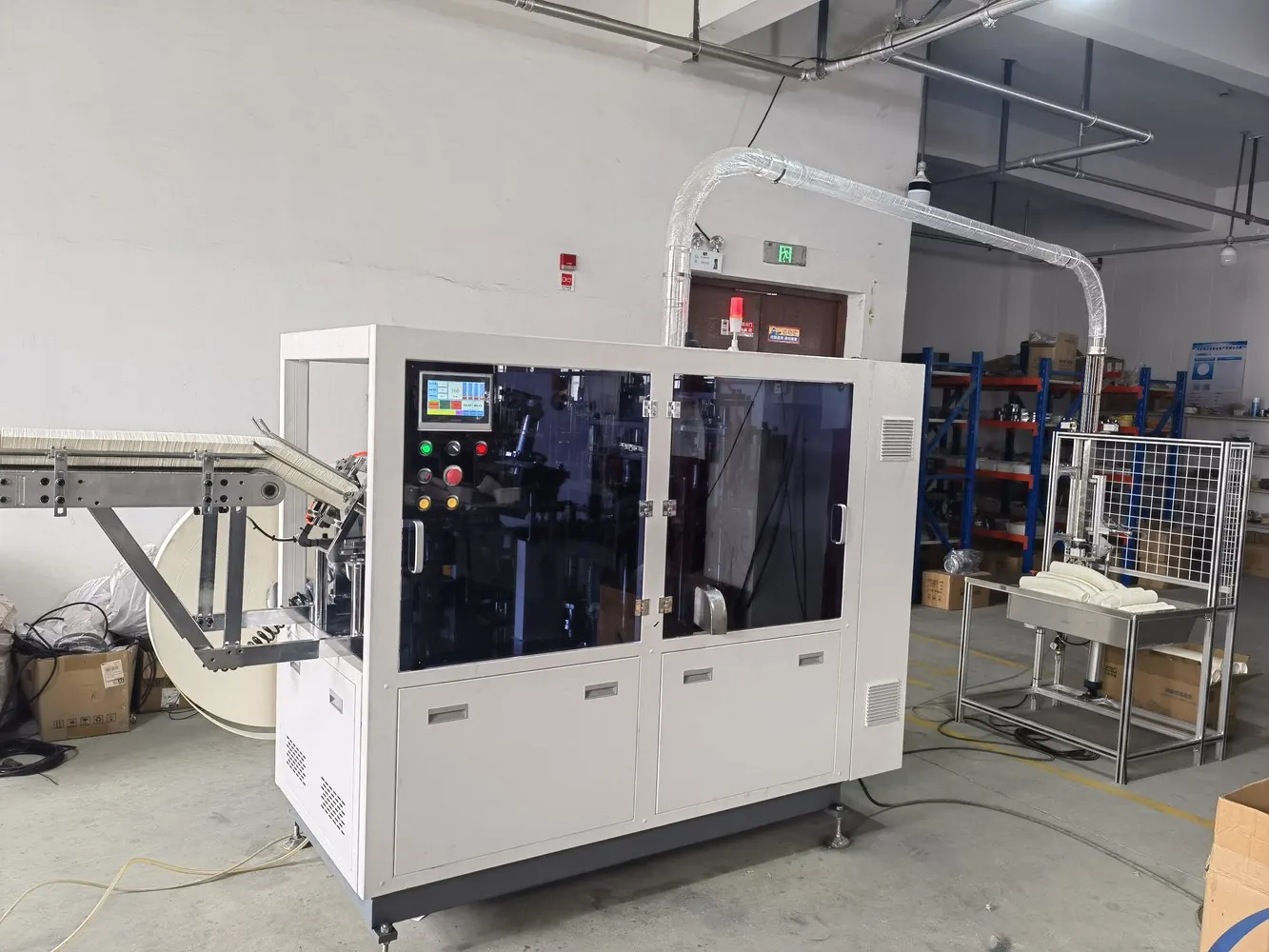
Decision matrix
| Matrix block | Examples to identify | Control purpose |
|---|---|---|
| SKU definition | Drawing revision, volume method, material and cup sample | Prevent two different cups sharing an ambiguous name |
| Forming tooling | Mandrel, side clamp, bottom die and knurl parts | Define geometry-critical change parts |
| Transfer and finish | Grippers, guides, rim tools, stacker and counter | Capture parts often missed in a mold quote |
| Recipe | Timing, heat, air, vacuum and servo parameters as applicable | Tie settings to the correct approved configuration |
| Quality release | First-off checks, leakage method and retained sample | Prove the changeover produced the intended cup |
Define every SKU from controlled data
Assign a unique SKU and drawing revision. Record finished-cup dimensions and tolerances, sidewall and bottom blank data, coating, paper basis information required by the process and the intended quality checks. Keep an approved physical sample where practical.
Do not merge two cups because both are sold as 8 oz or another nominal size. Markets and customers may use the same volume name for different geometries.
Map tooling by station
List part number, drawing, storage location and condition for each forming, bottom, curling, transfer and collection component. Mark shared parts only after their compatibility has been proven. Include sensors, guides and holders that must move or be replaced.
Photographs help operators identify a kit but do not replace drawings. Use durable labels that survive storage and cleaning without entering the product path.
Link tooling to the recipe and setup datums
Record parameter set name and version alongside mechanical parts. Protect machine calibration from job-level adjustments. Include setup gauges, reference positions and tightening or assembly instructions supplied for the configuration.
A saved HMI recipe does not guarantee correct tooling. The changeover checklist must verify both physical and software configuration before motion.
Use first-off approval to close the change
After safe installation, jog and slow-cycle according to the machine procedure. Confirm clearance, transfer and timing before production speed. Inspect dimensions, rim, side seam, bottom position, leakage and stack behavior using the factory’s approved plan.
Record actual results and sample identity. If a setup needs unplanned spacers, modified parts or protected parameters outside the approved range, stop and obtain engineering review.
Maintain the matrix as configuration control
Update the matrix when a drawing, material, tool or recipe changes. Record refurbishment limits and tooling condition so a nominally correct kit is not returned to service after wear makes it unsuitable.
Use the linked changeover guide for the operational sequence. When requesting a multi-size machine quotation, send the full SKU table and samples so HANNAI can confirm the proposed scope and change parts.
Related machine and guide
Review the HN-180 high-speed paper cup machine for machine context, then use the paper cup machine mould changeover guide for the adjacent maintenance or process check. Browse all Buyer Guides when building a wider project checklist.
Frequently asked questions
Can cup sizes be defined only by ounces?
No. Provide controlled dimensional drawings, materials and samples because nominal volume names do not define tooling geometry.
Are all change parts included in the forming mold?
Not necessarily. Transfer, curling, guides, sensors and collection parts may also be size-specific.
Is an HMI recipe enough for a size change?
No. Verify the installed tooling, mechanical datums and recipe together.
What should be sent for a multi-size quotation?
Send SKU drawings, materials, samples, quality requirements, target changeover scope and any shared-tooling assumptions for confirmation.
Review your machine configuration with HANNAI
Send the machine model, cup or material drawings, component labels, photos and a description of the required result. We will clarify which details must be confirmed before a quotation or technical recommendation.