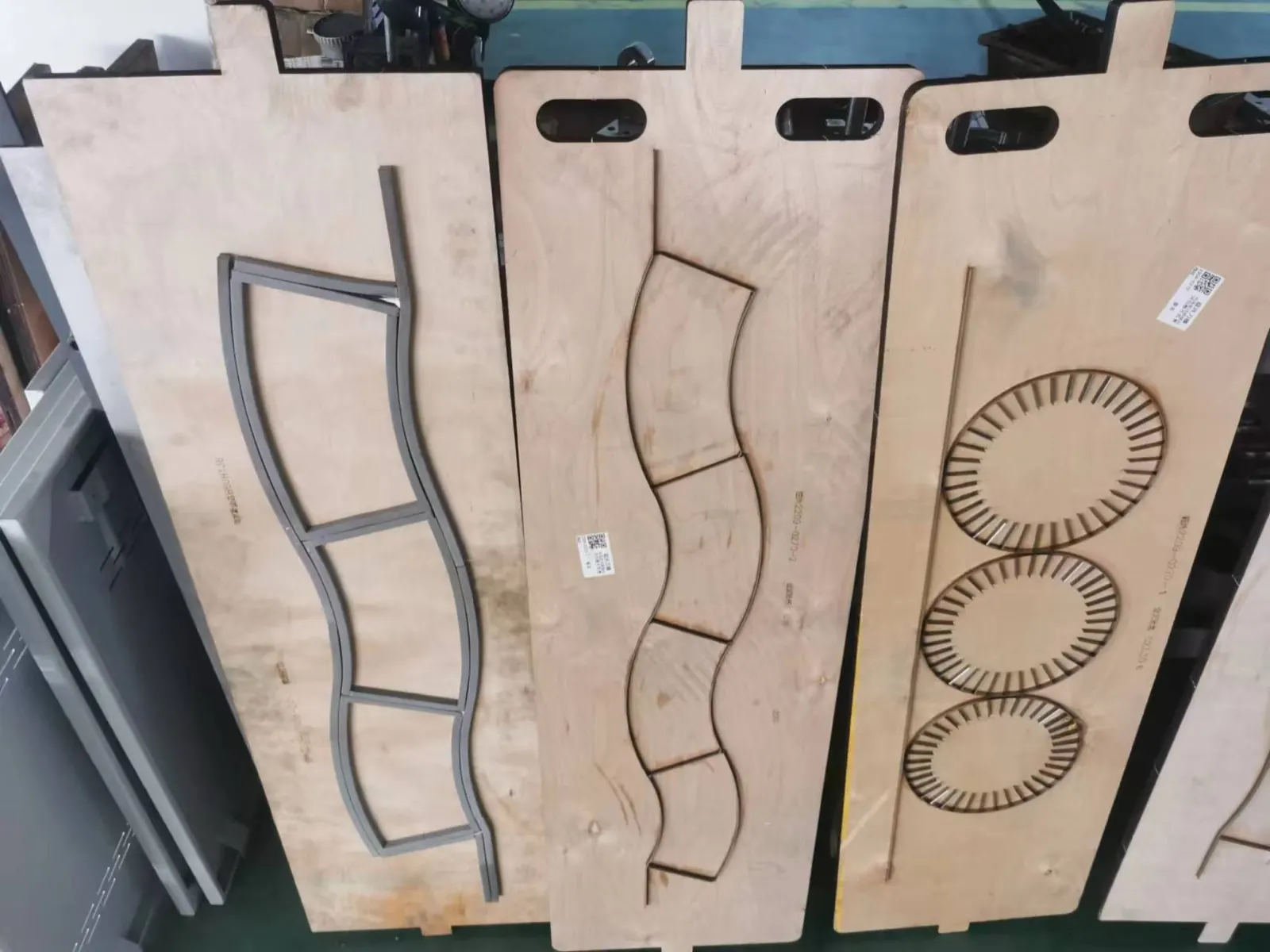
A flexible cutting die on a magnetic cylinder is a specific rotary tooling arrangement. It is not a generic feature of every machine supplied from a paper reel. Before planning mounting or maintenance, confirm that the actual equipment uses that system. A roll-fed flatbed die cutter uses a different cutting construction.
Establish whether this tooling is fitted
The available KN-950 reference sheet identifies flatbed cutting. It does not establish a magnetic cylinder, flexible cutting die or a rotary-tool option. This guide must not be used as a mounting procedure for that machine.
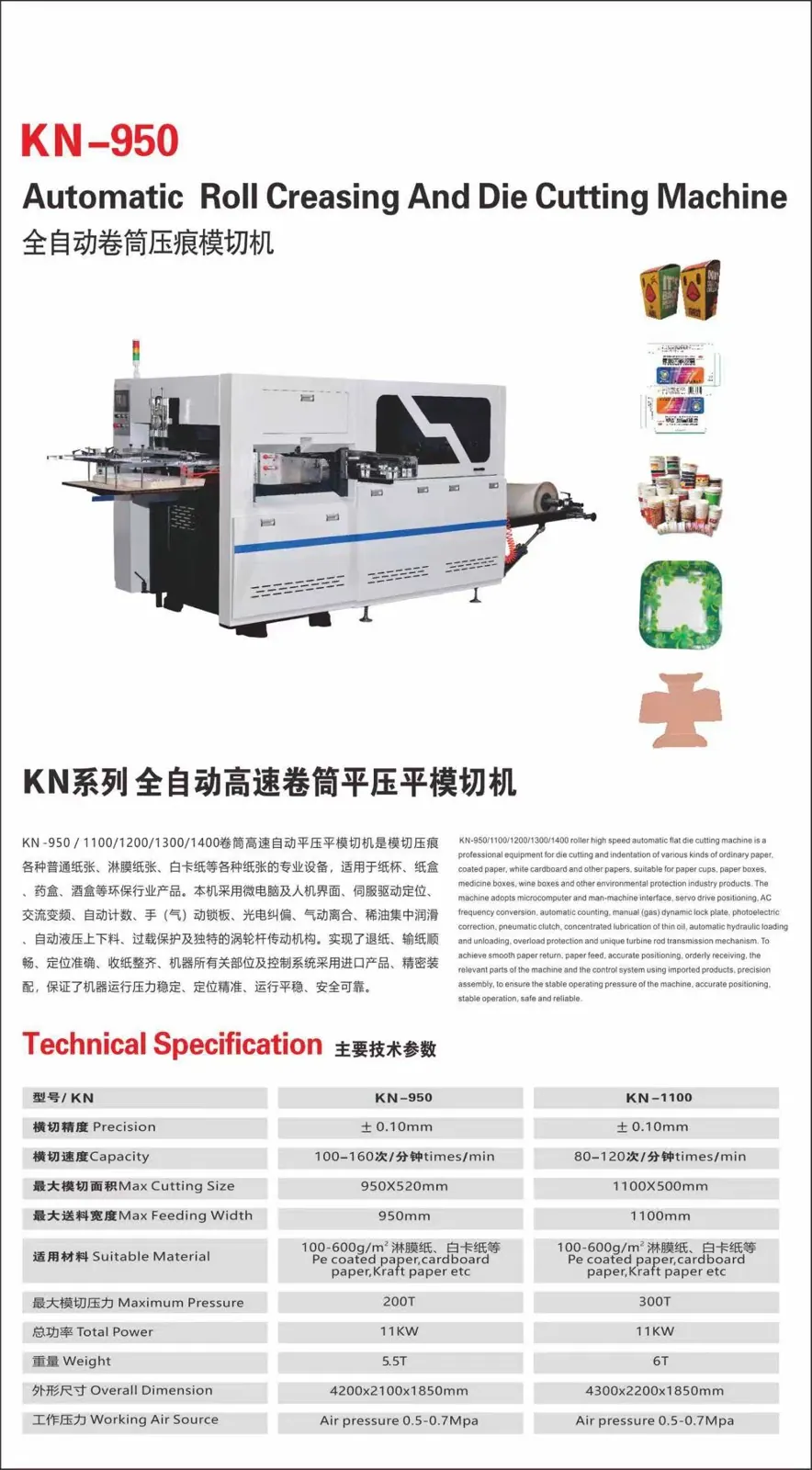
For an 850 model or another project, obtain the actual tooling drawings rather than inferring construction from a model number. Listing general rotary tooling information does not establish that HANNAI supplies that configuration.
| Confirmed system | Relevant reference | Incorrect shortcut |
|---|---|---|
| Flatbed cutting | Supplied die board/frame and opposing surface | Apply magnetic-cylinder mounting steps |
| Flexible rotary die | Exact die and compatible magnetic cylinder | Approve compatibility by appearance |
| Solid rotary tool | Actual cylinder and retention instructions | Assume a flexible plate is fitted |
Use component guidance only within its scope
The RotoMetrics magnetic-cylinder care document addresses that manufacturer's magnetic product. It advises careful handling, appropriate cleaning and separate storage of the cylinder and flexible die. It is not evidence that a KN-950 contains those components, nor a replacement for the installed machine's procedure.
Do not transfer cleaning products, lubricants, mounting actions or adjustment values from one component system to another. Identify the exact tool, cylinder, machine, job layout and supplier instructions before approving work.
Keep inspection and installation qualified
Magnetic and cutting tooling present handling hazards. Qualified personnel should follow the actual supplier's access, isolation and handling requirements, including warnings relevant to the specific component. This article does not prescribe hands-on mounting, clearance or impression settings.
Preserve incoming condition, tool identity and the reason for replacement. If the installed construction is uncertain, resolve that uncertainty before removing or ordering parts. A visually similar plate does not establish dimensional, magnetic or cutting compatibility.
Validate the actual cutting job
After authorized work and required protective checks, evaluate blanks against the approved drawing. Check geometry, cut completeness, print position and delivery as separate observations. Keep the material and tooling references with the results.
For a roll-fed project, start with the tool-construction guide. Send HANNAI actual drawings and tool photographs to clarify configuration; do not use this page as proof of an undocumented tooling option.
Frequently asked questions
Does roll-fed mean magnetic-cylinder cutting?
No. Reel feeding and tool construction are separate attributes.
Is this a KN-950 installation procedure?
No. The available KN-950 reference identifies flatbed cutting, not the flexible rotary tooling described here.
Does a component document approve a whole machine configuration?
No. Its scope is the component it identifies; compatibility and installation require the actual machine references.
What should be supplied before ordering tooling?
Machine identity, construction drawings, exact tooling references, job layout and material specification.