Cup packing machine trapped air can produce swollen bags, inconsistent carton loading or disturbed cup stacks. The first decision is whether the observed volume comes from enclosed air, excessive film dimensions or unstable product presentation. Changing seal heat does not directly resolve these different causes.
This guide is a diagnostic framework for wrapped or bagged stacks of paper cups. It is not authorization to perforate packaging, alter hygienic protection or add a venting device. Packaging specifications and machine design must determine whether air release is permitted.
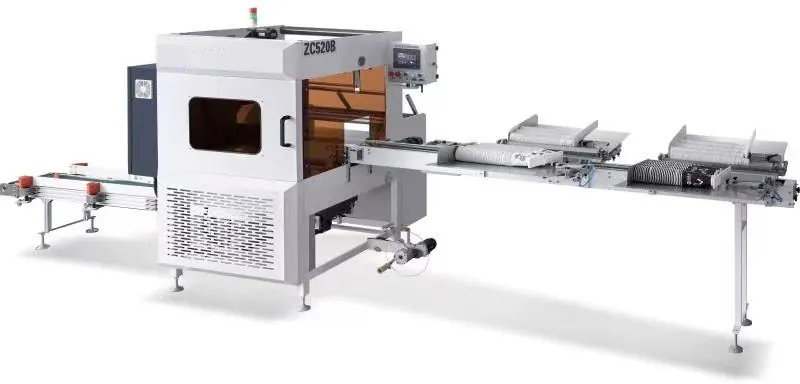
Diagnostic decision table
| Observed pattern | Question | Evidence |
|---|---|---|
| Every pack remains oversized | Is film size appropriate? | Approved bag drawing and finished dimensions |
| Swelling varies with stack entry | Is presentation consistent? | Stack position and cycle observation |
| Pack flattens but seal opens | Is seal integrity compromised? | Separate approved seal test |
| Cartons are difficult to close | Is pack geometry within specification? | Pack and carton fit samples |
Define the defect against the packaging specification
Record the cup size, stack count, film identity, bag dimensions and intended carton arrangement. Photograph the pack shortly after discharge and at the normal packing stage. A visually loose bag may meet the specification, while a tight-looking bag may distort the cups or compromise handling.
Separate trapped air from extra film length and from cup-stack displacement. Compare the same number of correctly nested cups in each sample. Do not squeeze packs by hand as the sole test: force and method vary, and an apparent improvement may come from a damaged seal rather than a controlled air-release path.
Observe how the stack enters the forming area
Use guarded observation to compare stack spacing, alignment and entry timing between acceptable and affected packs. Record whether the leading cups tilt, separate or catch the film. An inconsistent stack can create variable film volume even when the machine recipe has not changed.
Inspect guides and transfer surfaces under the approved isolation procedure. Restore the specified product path rather than narrowing guides until the cups are compressed. Excess pressure on nested cups can introduce another defect. Keep stack-count accuracy and bag inflation as separate observations so a counting problem is not disguised as an air-management problem.
Check bag geometry and cycle settings separately
Compare the finished bag with the approved drawing and installed forming arrangement. Confirm that the selected film width and cut length belong to the current cup stack. An oversized recipe from a previous product can leave unnecessary volume without any pneumatic fault.
Have authorized personnel review the applicable timing and film-control settings against the supplier setup. Change one approved variable at a time and retain the original values. Do not increase speed or jaw pressure simply to force air out. The seal zone must remain clear of product and meet its own process requirements during every trial.
Escalate venting changes as packaging design decisions
If the product specification requires a defined air-release feature, confirm its location and method with both the packaging and machine suppliers. A hole that improves carton fit can also change protection from contamination, moisture or handling damage. Those consequences need an explicit approval, not a shop-floor workaround.
Do not puncture bags with improvised tools or modify the sealing jaws to create leaks. Where an approved venting or air-management device already exists, inspect it through its documented service procedure. Record the design reference so future operators can distinguish an intended feature from a defective seal.
Validate seal integrity and carton fit together
Evaluate representative packs through the agreed seal and handling tests, then place them in the intended carton arrangement. Record pack dimensions, cup damage, stack stability and any rejected seals. A flatter pack is not an improvement if it fails the required packaging protection or damages the cup rim.
Repeat the condition that originally produced inconsistent swelling and retain both acceptable and affected samples. Send HANNAI the bag drawing, cup stack details and guarded cycle observation when requesting support. The final decision should state whether the cause was recipe geometry, presentation, a maintenance issue or a packaging-design requirement that needs separate approval.
Related equipment and next checks
Review the paper cup packing equipment and the related guide to sealing-jaw condition and temperature uniformity. The Engineering Notes archive connects these checks with wider machine planning.
Frequently asked questions
Can stronger seal heat remove trapped air?
It does not directly correct bag geometry or stack presentation.
Should bags be punctured to flatten them?
Only an approved packaging design may define a vent feature.
Does a flatter pack prove the problem is solved?
No. Check seal integrity, cup condition and carton fit together.
What should a support request include?
Cup stack details, film and bag specifications, and the defect sequence.
Review the evidence with HANNAI
Send your machine model, component identification and the observations described in this guide. Include the drawing or material reference and any before-and-after measurements so the required next check can be identified.