Paper cup machine restart rejects should be measured separately from steady production losses. A cold startup, a short stop and a material-feed interruption do not leave the equipment in the same state. Combining them into one average can hide which recovery sequence needs attention.
This guide analyzes normal authorized restarts. It does not replace the machine safety-reset procedure or justify automatic restart after a protective stop. Define the permitted recovery sequence and product-release checks with the machine supplier and quality team.
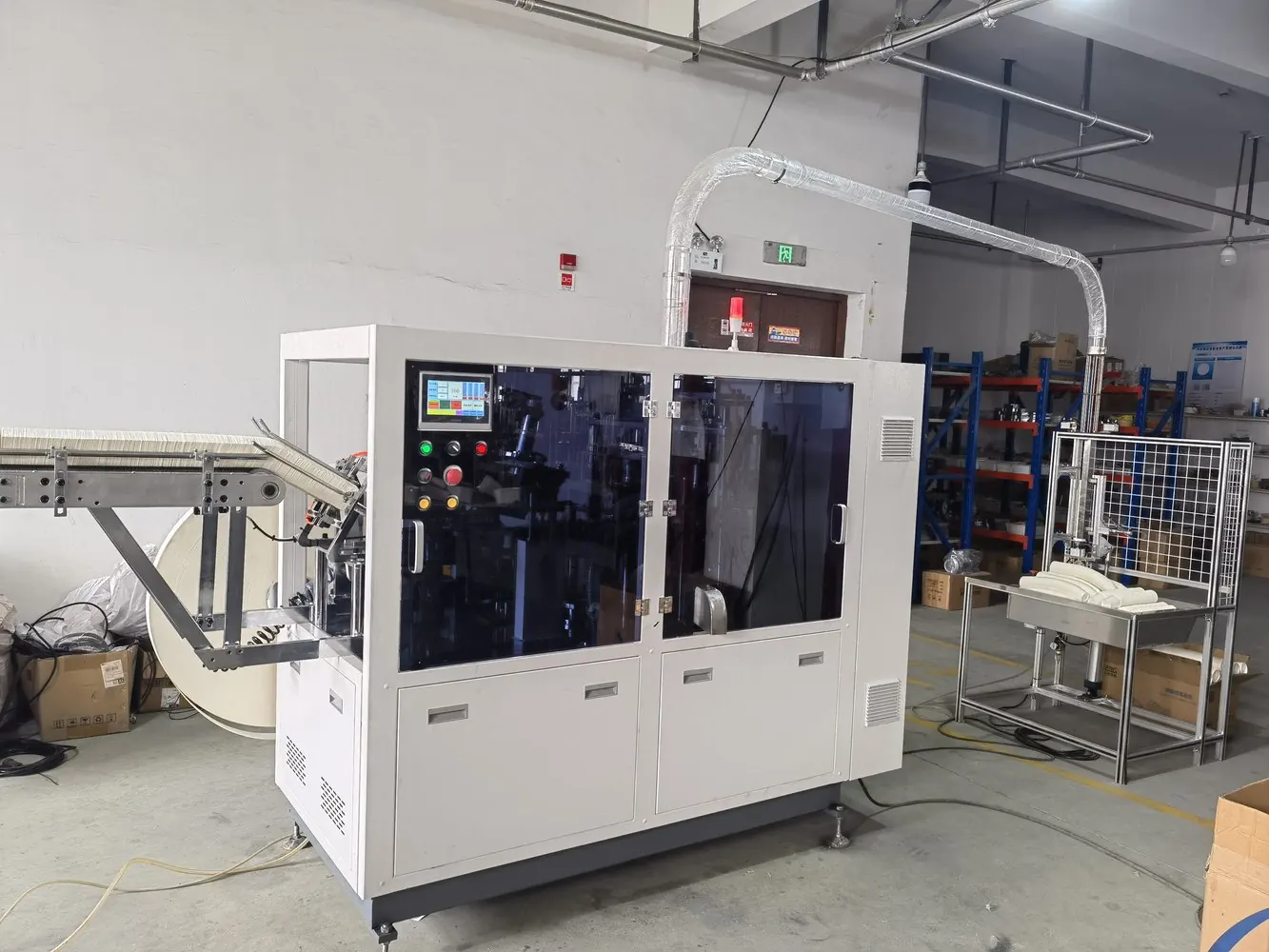
Diagnostic decision table
| Restart class | Separate evidence | Useful output measure |
|---|---|---|
| Cold start after a long shutdown | Initial thermal and material condition | Attempts before accepted output |
| Short planned stop | Stop duration and held material | Rejects in the restart window |
| Material interruption | Splice or blank-stack event | Feed stability and first-piece result |
| Protective or fault stop | Alarm and authorized recovery | Quality result after safe reset |
Classify the stop before calculating losses
Use the production record to identify why the machine stopped, how long it remained stopped and which approved process conditions were retained. A short stop with heaters controlled can differ from an equally short stop with thermal outputs disabled. Record the actual state rather than assuming it from elapsed time.
Separate planned stops, material interruptions and fault recovery. Keep maintenance restarts in their own group when tooling or parameters changed. This avoids attributing the effects of a repair to ordinary warm-up. Retain the preceding operating condition, including material lot and recipe, so the restart can be compared with its own stable baseline.
Define the restart window and the denominator
Set the start event consistently, such as the first forming attempt after the authorized restart. Record attempted cups, accepted cups and rejected cups through the defined verification window. If cups remain in transfer or collection at the stop, identify how they are counted to avoid attributing old work in progress to new attempts.
Define the recovery point using the agreed inspection rule. One acceptable cup followed by more failures may not establish stable output. Keep elapsed recovery time separate from attempted-cup count; the two answer different questions about downtime and material loss. Do not convert the displayed speed directly into good-cup output without counting actual accepted production.
Use a sequence log to expose the transient pattern
Record defects in small identified output groups, using a grouping size appropriate to the line and inspection method. Map whether failures occur immediately, peak after several cycles or persist beyond the normal release point. These shapes suggest different investigations, but do not independently diagnose heat, feeding or timing.
Capture the relevant displayed process readings at restart and during recovery where the existing controls support safe observation. A heater display may be stable while the complete tooling and material path are still changing. Avoid adding unofficial sensors or opening guards during production simply to obtain a more detailed trace.
Compare like-for-like restart events
Compare events from the same cup specification, material construction and approved recipe before combining different products. Annotate changes in blank storage, operator procedure and utility conditions. Report both the typical result and the spread across events; an average can hide occasional restarts with much larger losses.
Review the observed pattern with the supplier before changing the sequence. A targeted proposal might concern approved stabilization, handling of retained material or first-piece verification. Change one element at a time and document it. Do not reduce protective delays, bypass interlocks or release unverified cups to make a restart metric appear better.
Turn the comparison into a product-release rule
The final work instruction should state the restart class, authorized sequence, material disposition and inspection needed before output returns to normal packing. Define who releases the product and how exceptions are recorded. Keep rejected restart cups segregated so they cannot enter accepted stock during a busy recovery.
Send HANNAI the event log, output sequence and relevant process readings for unresolved losses. Include a stable-run comparison and the recovery criterion used. This allows a review of why the first cups differ from later cups without confusing the nominal machine speed with the production yield obtained across an entire shift.
Related equipment and next checks
Review the paper cup production planning and the related guide to planned shutdown and restart. The Engineering Notes archive connects these checks with wider machine planning.
Frequently asked questions
Should cold and warm restarts share one average?
Keep them separate first because their initial conditions differ.
Does the first good cup prove stable output?
Use the agreed release sequence rather than one isolated result.
Can heater display stability prove all tooling is ready?
No. Verify the process and product under the approved procedure.
What restart loss is acceptable?
Agree a project-specific criterion using representative trials and product requirements.
Review the evidence with HANNAI
Send your machine model, component identification and the observations described in this guide. Include the drawing or material reference and any before-and-after measurements so the required next check can be identified.