Paper cup temporary deviation control provides a bounded route for an exceptional condition when normal approved requirements or processes cannot be followed. It must never become an informal way to change specifications, hide recurring failures or bypass customer approval.
This article supports controlled decision-making. It does not authorize any deviation, concession or product release. Contractual, regulatory, food-contact, safety and customer requirements must be reviewed by competent authorized personnel.
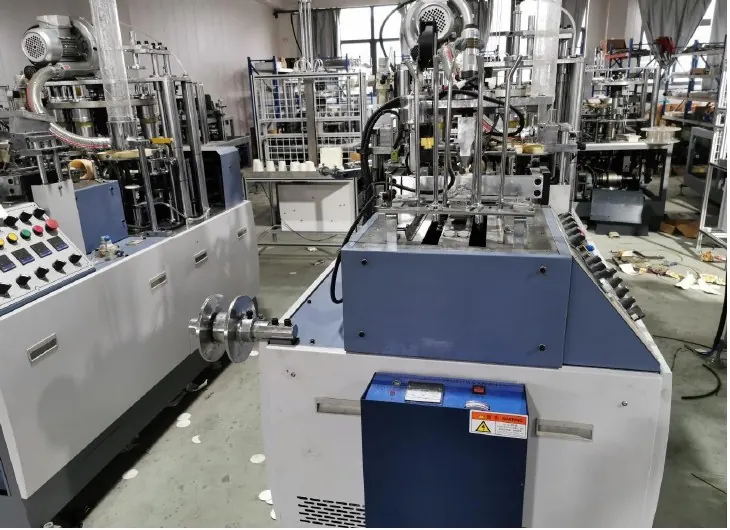
Diagnostic decision table
| Control element | Minimum definition | Common failure |
|---|---|---|
| Reason | Specific temporary condition | General production difficulty |
| Scope | SKU, lot, machine, quantity and time | All current production |
| Risk | Product and process consequences | Only schedule impact |
| Expiry | Date, quantity or event limit | Open until further notice |
Distinguish deviation, concession and change
Define the local terms before use. A pre-production deviation may authorize a temporary departure from an approved process, while a concession may concern acceptance of identified nonconforming output. A permanent change belongs in the formal change-control process. The organization’s approved definitions govern.
Do not use a temporary document to introduce a lasting recipe, material or drawing revision. If the exceptional condition is expected to continue, initiate permanent review in parallel. Record why the normal requirement cannot be met and what alternative is proposed.
Set a precise and traceable boundary
Identify product, artwork, cup size, customer, material lots, machine, tooling, forming positions, quantity and start and end conditions. State whether work in process and packed stock are included. Link the authorization to production and shipment records.
Use an expiry based on a date, quantity or defined event, whichever occurs first where appropriate. Avoid broad language such as “until solved.” Systems should block use after expiry and prevent an approval for one SKU or customer from being copied to another.
Evaluate product and process risk
Compare the proposed condition with each affected requirement and product function. Consider seal integrity, dimensions, denesting, appearance, printing, packing, traceability and machine safety as relevant. Define additional inspections, containment and evidence needed to control uncertainty.
Do not assume that a small numerical departure has small functional impact. Conversely, avoid declaring a harmless difference without a valid method and representative evidence. Identify who bears the risk and whether customer or regulatory approval is required before production or shipment.
Obtain authorization before execution
Route the complete request to the named technical, quality, production and commercial authorities. Provide samples, data and the proposed control plan. Record approval, rejection, conditions and version. Customer authorization must be explicit when contractual requirements or acceptance are affected.
Operators should receive only the current, approved instruction with visible limits and expiry. Verbal permission and unsigned messages are difficult to audit. If production began before approval, contain the output separately and review it as potentially nonconforming rather than backdating authorization.
Close the deviation and restore standard control
At expiry, stop use and verify that the normal approved material, setting, document and inspection have been restored. Reconcile affected lots and retain the additional inspection results. Review whether the temporary controls prevented the identified risk.
Recurring requests for the same condition require root-cause and permanent-change review. Send HANNAI the authorized deviation scope, machine configuration and evidence when technical support is needed. Keep product acceptance and customer communication with the responsible organization.
Related equipment and next checks
Review the HN-M100 automatic paper cup machine and the related guide to paper cup production change control. The Engineering Notes archive connects these checks with wider machine planning.
Frequently asked questions
Can a temporary deviation remain open indefinitely?
No. Define a controlled expiry and restoration requirement.
Does internal approval replace customer approval?
Not when customer or contractual requirements are affected.
Can approval be issued after production?
Contain the output and follow the approved nonconformity process.
What happens when the same deviation repeats?
Escalate root cause and permanent change review.
Review the evidence with HANNAI
Send your machine model, component identification and the observations described in this guide. Include the drawing or material reference and any before-and-after measurements so the required next check can be identified.