Paper cup sorting reinspection validation asks whether a temporary inspection process can consistently separate the defined nonconforming condition from acceptable product. Simply assigning more people or inspecting twice does not demonstrate that escapes and false rejects are controlled.
This guide does not authorize rework, establish an acceptable escape rate or replace the normal control plan. Quality and safety leaders must approve the defect boundary, validation design, containment and release.
Diagnostic decision table
| Validation element | Evidence | Weak practice |
|---|---|---|
| Defect boundary | Approved examples and method | Verbal description only |
| Detection challenge | Blind known samples | Show inspector every defect |
| Quantity control | Input/output reconciliation | Estimate completed cartons |
| Release | Independent review | Sorter releases own work |
Define the sortable condition and boundary
Describe the exact defect, location, severity and approved decision rule. Confirm that it can be detected without damaging the cup and that the inspection method addresses the complaint mechanism. Separate conditions requiring measurement or destructive testing from those suitable for visual sorting.
Use controlled pass and fail boundary examples. Do not broaden the instruction to “remove any bad cup,” because inspectors may apply different criteria and the final population cannot be interpreted. Identify other defects that still require normal inspection.
Design a contained challenge study
Prepare traceable challenge samples covering the intended defect range and acceptable look-alikes. Randomize and blind their identity where safe. Define repeated presentations, inspectors, work periods, lighting, line speed or table setup, and recovery accounting before the study.
Never introduce unreconciled nonconforming samples into saleable product. Use a segregated validation population or another approved containment method. Record false accepts, false rejects and invalid presentations separately instead of reporting only overall accuracy.
Qualify people, stations and instructions
Train inspectors using the controlled procedure, then assess qualification with material independent from the training examples. Confirm lighting, background, handling, ergonomics, container labels and status segregation. Rotate work and rest according to the approved plan when fatigue can affect detection.
An inspector who passes a short demonstration may still drift during a long sort. Monitor performance across realistic conditions. Changes to defect criteria, workstation or product appearance require review and possible requalification.
Control execution and reconcile quantities
Identify held input by lot and location. Record every container issued, accepted, rejected, pending and sampled. Prevent inspected product from mixing with unsorted stock. Mark completed units in both physical and inventory systems.
Investigate any quantity imbalance before release. Reinspection results should link to inspector, time and defect category without encouraging concealment. Supervisors should perform independent layered checks using a predefined method rather than selecting only visibly easy cartons.
Verify release and remove the temporary process
Use independent final evidence appropriate to the risk, including blind audits or validated sampling where authorized. Confirm that sorted product meets the governing requirements and that rejects receive controlled disposition. Retain challenge and reconciliation records.
Sorting is containment, not proof of root-cause correction. End the temporary activity only when affected product is controlled and normal preventive controls are restored. Send HANNAI defect evidence and machine traceability for equipment analysis when applicable.
Related equipment and next checks
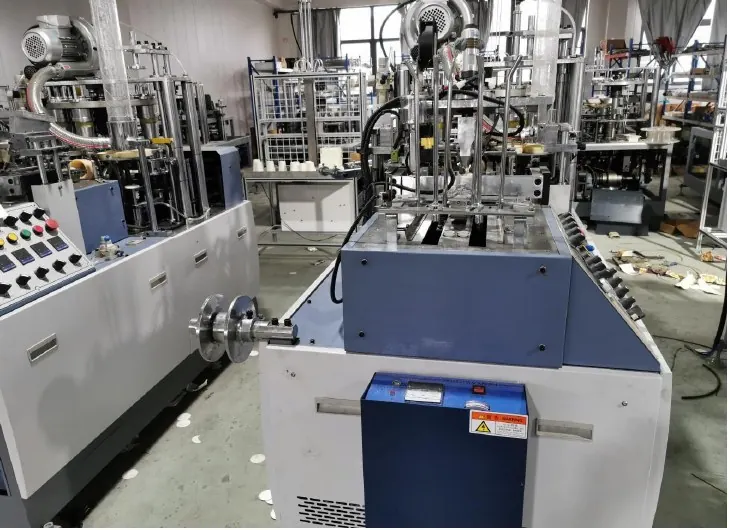
Review the HN-M100 automatic paper cup machine and the related guide to paper cup inspection escape challenge study. The Engineering Notes archive connects these checks with wider machine planning.
Frequently asked questions
Does inspecting twice prove no escapes?
No. Validate detection with controlled challenge evidence.
Can challenge defects enter commercial production?
Use a contained method with complete recovery.
Who should release sorted product?
Use the documented authority and independent evidence appropriate to risk.
Does sorting close corrective action?
No. It contains product while the cause and prevention are addressed.
Review the evidence with HANNAI
Send your machine model, component identification and the observations described in this guide. Include the drawing or material reference and any before-and-after measurements so the required next check can be identified.