Paper cup audit finding closure should demonstrate that the observed condition was corrected and the relevant control now works. Uploading a revised form or training attendance sheet does not prove implementation when the production line still follows the earlier practice.
This guide covers verification of internal or supplier audit findings. It does not prescribe corrective-action methods or closure deadlines; those depend on finding risk and the audit program.
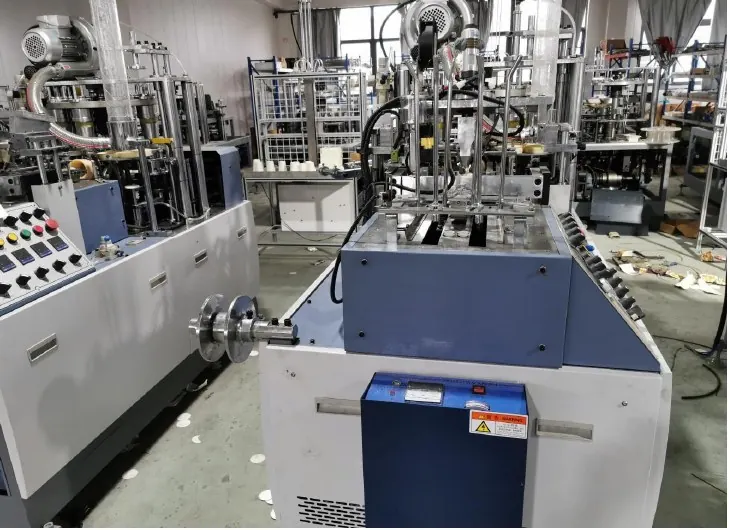
Decision worksheet
| Control point | Evidence to retain | Release decision |
|---|---|---|
| Finding | Requirement, evidence and affected scope | Problem is clearly defined |
| Correction | Immediate action and containment | Current risk addressed |
| Cause | Evidence-based analysis | System mechanism identified |
| Action | Owner, due date and implementation proof | Change is in operation |
| Effectiveness | Follow-up result and recurrence review | Closure is justified |
Restate the finding and requirement
Preserve the auditor’s objective evidence, location, date and requirement reference. Define product or process exposure separately from the audit wording. Define the responsible role and the point in the production or warehouse flow where the check occurs. Use the current approved order, specification or procedure rather than an uncontrolled copy. Confirm the owner understands what failed and what evidence will be needed for closure. Link any immediate product hold or correction. Record actual identities, quantities, dates and observations as the work happens, so a later reviewer can reconstruct the decision without relying on memory.
Clarify disagreements through the audit process rather than rewriting the finding until it becomes easier to close. Protect affected material before continuing and keep the original observation visible. Assign an owner and due time for missing information. The review should distinguish confirmed facts, assumptions and unavailable evidence, then state who may authorize the next movement or use.
Separate correction from corrective action
Begin by mapping the affected item and process boundary. Record how the observed item was fixed and how affected product or documents were controlled. Then identify why the condition could occur or persist. Make the instruction usable at the line by naming the product, lot, equipment, location and revision that apply. Use maintenance, training, workflow and data evidence to test the proposed cause. Consider detection controls and management-system factors. Where electronic and physical records both exist, compare them rather than assuming they agree. Preserve screenshots, labels or samples only when their source remains identifiable.
Do not close a repeated issue with another reminder when the process still allows the same failure. Stop the normal release path until the difference is resolved or formally accepted by an authorized role. Reconcile every transferred, sampled, reprinted, discarded or returned quantity. Close the step with a dated decision and a link to supporting evidence.
Implement a specific action plan
The control should answer what is being checked, against which requirement and by whom. Assign each action an owner, due date, affected document or equipment and expected outcome. Control revisions and training through existing systems. Use clear acceptance language and avoid broad statements such as checked or acceptable when an actual result can be recorded. Collect implementation evidence such as approved documents, completed modifications and records from actual use. Retain before-and-after identity. Keep the first result and any later correction or retest connected in sequence; do not overwrite evidence that explains why the review began.
Escalate overdue or changed actions and reassess risk instead of extending dates without technical review. Contain the defined scope, notify the designated owner and evaluate whether earlier output or later operations may also be affected. Verify the corrective action at the work point before reopening the normal route, and retain the closure evidence with the batch or event record.
Verify at the work point
Observe the revised process during representative production, shifts or product types. Speak with users and compare records with physical practice. Define the responsible role and the point in the production or warehouse flow where the check occurs. Use the current approved order, specification or procedure rather than an uncontrolled copy. Sample enough evidence to test the original failure mode. Record any new gaps and decide whether they are part of the finding or a separate issue. Record actual identities, quantities, dates and observations as the work happens, so a later reviewer can reconstruct the decision without relying on memory.
Reopen action when the document changed but actual behavior, equipment or records do not match. Protect affected material before continuing and keep the original observation visible. Assign an owner and due time for missing information. The review should distinguish confirmed facts, assumptions and unavailable evidence, then state who may authorize the next movement or use.
Evaluate effectiveness and authorize closure
Begin by mapping the affected item and process boundary. Define the follow-up period or evidence count based on risk. Review recurrence, audit results, defects or other relevant indicators. Make the instruction usable at the line by naming the product, lot, equipment, location and revision that apply. The authorized reviewer should state why the evidence demonstrates sustained control and record the closure date. Preserve links to all actions. Where electronic and physical records both exist, compare them rather than assuming they agree. Preserve screenshots, labels or samples only when their source remains identifiable.
Continue monitoring or reopen the finding when effectiveness is uncertain; administrative completion alone is not a technical closure. Stop the normal release path until the difference is resolved or formally accepted by an authorized role. Reconcile every transferred, sampled, reprinted, discarded or returned quantity. Close the step with a dated decision and a link to supporting evidence.
Related equipment and next checks
Review the paper cup production line and the related guide to corrective-action effectiveness guide. The Engineering Notes archive connects these checks with wider machine planning.
Frequently asked questions
Is a revised procedure enough to close a finding?
No; verify approval, communication and actual use at the work point.
What is the difference between correction and corrective action?
Correction fixes the observed condition; corrective action addresses why it occurred or could recur.
Who verifies closure?
A competent role with authority under the audit program, preferably independent of action execution where required.
When should effectiveness be checked?
After enough representative use has occurred to test the control against the original failure mode.
Review the evidence with HANNAI
Send the finding, requirement, action plan and current evidence. HANNAI can help identify equipment and process observations needed for closure verification.