Paper cup complaint evidence preservation begins before the cause is known. Samples, packaging, photographs and customer information can lose value when identities are changed, items are cleaned or testing consumes the only example without a record.
This guide supports evidence intake and preservation for a technical investigation. It does not assign liability or replace customer communication procedures. Handle personal and commercial information under the organization’s privacy and access rules.
Decision worksheet
| Control point | Evidence to retain | Release decision |
|---|---|---|
| Complaint intake | Customer, product, issue and timeline | Case identity created |
| Physical evidence | Sample condition and chain of custody | Original state protected |
| Digital evidence | Original files and context | Source and time retained |
| Record retrieval | Batch, materials, process and shipment | Comparable history assembled |
| Testing | Plan, method and sample allocation | Destructive use controlled |
Create a case identity at intake
Assign a complaint number and record the product, lot code, order, shipment, quantity and reported condition using the customer’s words. Capture when and where the issue appeared and how the cup was used or stored when relevant. Separate observed facts from interpretations.
Ask for photographs of the full product, defect area, package and traceability marks before requesting shipment. Confirm whether several samples show the same condition. Record the communication source and time so later summaries do not replace the original account.
Receive and protect physical samples
Document package condition on arrival and photograph the sample before cleaning, cutting or marking. Apply a case label to the evidence container without covering original codes or defect features. Record who received it, date, quantity and storage location.
Protect shape, moisture condition and contamination state according to the investigation need. Store comparison samples separately and label them clearly. If customer samples cannot be returned, record the agreed disposition before destructive work.
Preserve digital evidence and metadata
Save original image or video files when available, along with the sender, date and explanatory message. Avoid relying only on compressed screenshots inserted into a report. Give working copies controlled filenames while retaining the originals unchanged.
Record scale and lighting limitations. An image can show location or pattern but may not establish dimensions, leak rate or material identity. Keep analytical exports and instrument files with method and operator information.
Connect production and shipment records
Use the lot or shipment identity to retrieve batch records, material lots, inspection results, holds, rework, maintenance interventions and dispatch conditions. Verify that the code truly maps to the claimed order. Select retained or neighboring samples using a stated comparison basis.
Construct a timeline from manufacture through shipment and complaint. Identify missing links rather than filling them with assumptions. Compare similar complaints by verified defect mode, not only by customer wording.
Plan tests without consuming the evidence
Write the question each test is intended to answer, method, sample allocation and acceptance reference. Photograph and identify portions before destructive sectioning or leak tests. Preserve an untouched sample where quantity permits. Record failures as well as conforming comparisons.
Close the evidence log with current location and disposition of every item. The investigation conclusion should distinguish confirmed findings, plausible mechanisms and unavailable evidence. Feed corrective actions back to the relevant process while preserving the material needed to verify effectiveness.
Related equipment and next checks
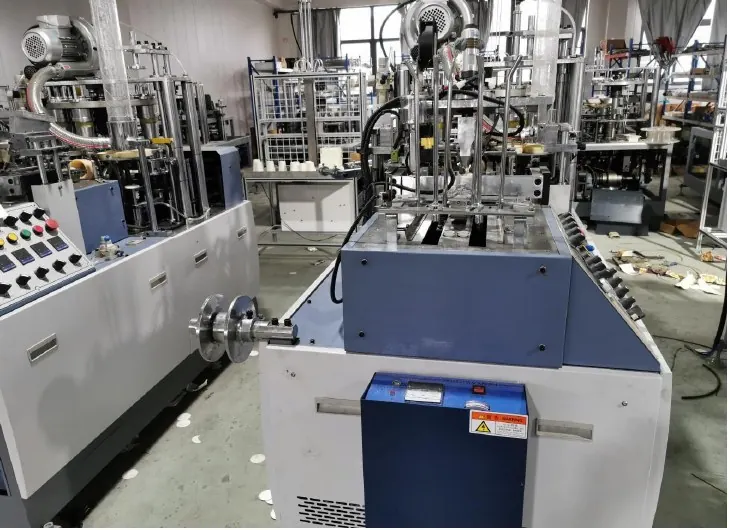
Review the HN-M100 automatic paper cup machine and the related guide to complaint sample chain-of-custody guide. The Engineering Notes archive connects these checks with wider machine planning.
Frequently asked questions
Should a complaint sample be cleaned before inspection?
Document its original state first; cleaning may remove evidence and should follow the investigation plan.
Are customer photographs enough?
They can guide the investigation, but physical, batch and method evidence may still be required.
Who may perform destructive testing?
An authorized person following a recorded plan that controls sample identity and remaining evidence.
How should missing lot information be handled?
Record the gap and use shipment or product evidence cautiously without inventing a batch identity.
Review the evidence with HANNAI
Send the lot information, original images, sample availability and confirmed observations. HANNAI can help map the reported condition to forming and handling checkpoints.