Paper cup blank grain direction can affect the way a fan blank bends and recovers during forming. When a revised cutting layout improves material yield but changes orientation, the change should be trialled with the actual cup design. Equal grammage and outline dimensions do not prove equal forming behavior.
This guide describes a controlled comparison of material orientation. It does not prescribe one grain direction for every cup or coating. The raw-material supplier should identify machine direction, cross direction and coated-side orientation for the supplied stock.
Diagnostic decision table
| Trial observation | Possible comparison | Record |
|---|---|---|
| Blank springs away from the mandrel | Bending recovery by orientation | Blank orientation and seam position |
| Feed stack behaves differently | Curl and stack presentation | Conditioning and stack height |
| Rim formation changes | Direction-dependent forming response | Defect location and cooled shape |
| Results change with a new stock lot | Material variation beyond orientation | Supplier grade and batch |
Make the orientation traceable from reel to blank
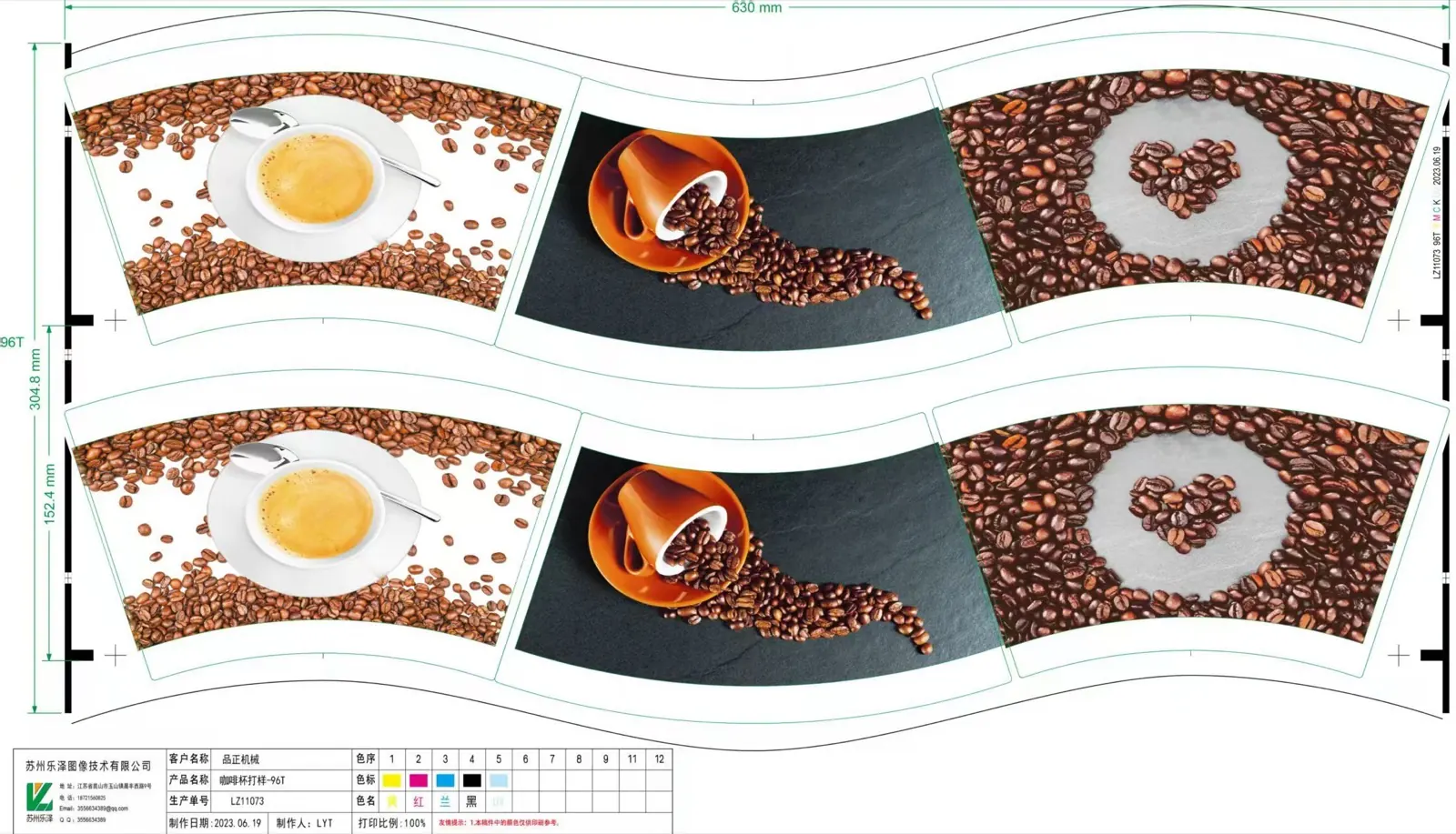
Ask the paperboard converter to mark machine direction on retained stock and on the cutting-layout drawing. Map that direction onto the fan blank, then onto the finished cup. Terms such as vertical grain are ambiguous unless the drawing shows which cup feature they reference. Keep coated face and print face identifiable as well.
Do not infer grain direction solely from the shape of a cut blank or the direction of printed text. Those features can be rotated in artwork and tooling. Retain a labelled unconverted sample and the nesting-layout revision with the trial record, particularly when a subcontract converter supplies finished fans.
Control the variables that could hide the effect
Compare blanks of the same approved dimensions and, where practicable, the same parent stock and coating construction. Keep storage and conditioning comparable. Record curl, thickness, edge condition and surface damage before the trial. A rough cut edge in only one group would confound an orientation comparison.
Use the same tooling and approved starting recipe for the initial comparison. Define trial order so that machine warm-up does not always favor one orientation. Separate the question whether the current setup accepts both orientations from the later question whether a revised setup can qualify an alternative. They require different conclusions.
Observe forming at defined checkpoints
Inspect blank presentation, pickup consistency and wrapping behavior through guarded observation. Keep counts of feed interruptions and rejected cups, with the number attempted for each group. A single successful cup is insufficient evidence of reliable feeding. Do not reach into the forming station or manually restrain a blank during operation.
After forming, compare the seam region, body shape and rim using the same inspection methods. Retain cooled cups, since a shape that looks acceptable immediately after ejection can change afterward. Record the elapsed time before inspection. If the machine stops during one trial group, preserve that interruption rather than silently removing its rejects from the result.
Separate a material mechanism from a setup response
Paperboard converting guidance discusses different mechanical properties along and across the machine direction. That supports testing orientation, but it does not establish a universal cup-machine setting. Use the observed defect pattern to decide which forming stage requires review with the equipment and material suppliers.
If one orientation needs a recipe adjustment, document it as a separate trial. Change only approved parameters within the permitted operating range and retain both the original and revised results. Avoid compensating for a persistent forming problem by simply increasing heat or force. Such changes may affect coating condition, seal appearance or another quality characteristic.
Approve the material layout with evidence
The final approval should identify the blank drawing, grain-direction arrow, material construction, coating side, recipe revision and inspection criteria. Include good and defective reference samples where useful. State whether approval applies to one tested cup size or a documented family; do not extend a result to a very different geometry without review.
Send HANNAI the marked fan drawing and grouped trial results when considering a revised cutting layout. Evaluate material utilization together with feeding losses, formed-cup quality and restart behavior. A nesting arrangement that saves paper on the cutting sheet may increase total conversion waste if the resulting blanks are less stable in production.
Related equipment and next checks
Review the paper cup production line and the related guide to fan blank inspection. The Engineering Notes archive connects these checks with wider machine planning.
Technical reference
- Holmen general technical information on paperboard — general reference; confirm applicability to the installed equipment.
Frequently asked questions
Is the best grain direction identical for all cups?
No. Qualify it for the material, coating and cup geometry.
Can artwork direction identify the grain?
No. Obtain the stock and cutting-layout orientation from the converter.
Should settings be optimized during the first comparison?
First preserve a comparable baseline; record optimization as a separate trial.
Does a lower cutting waste rate prove a better layout?
No. Include feeding and forming losses in the assessment.
Review the evidence with HANNAI
Send your machine model, component identification and the observations described in this guide. Include the drawing or material reference and any before-and-after measurements so the required next check can be identified.