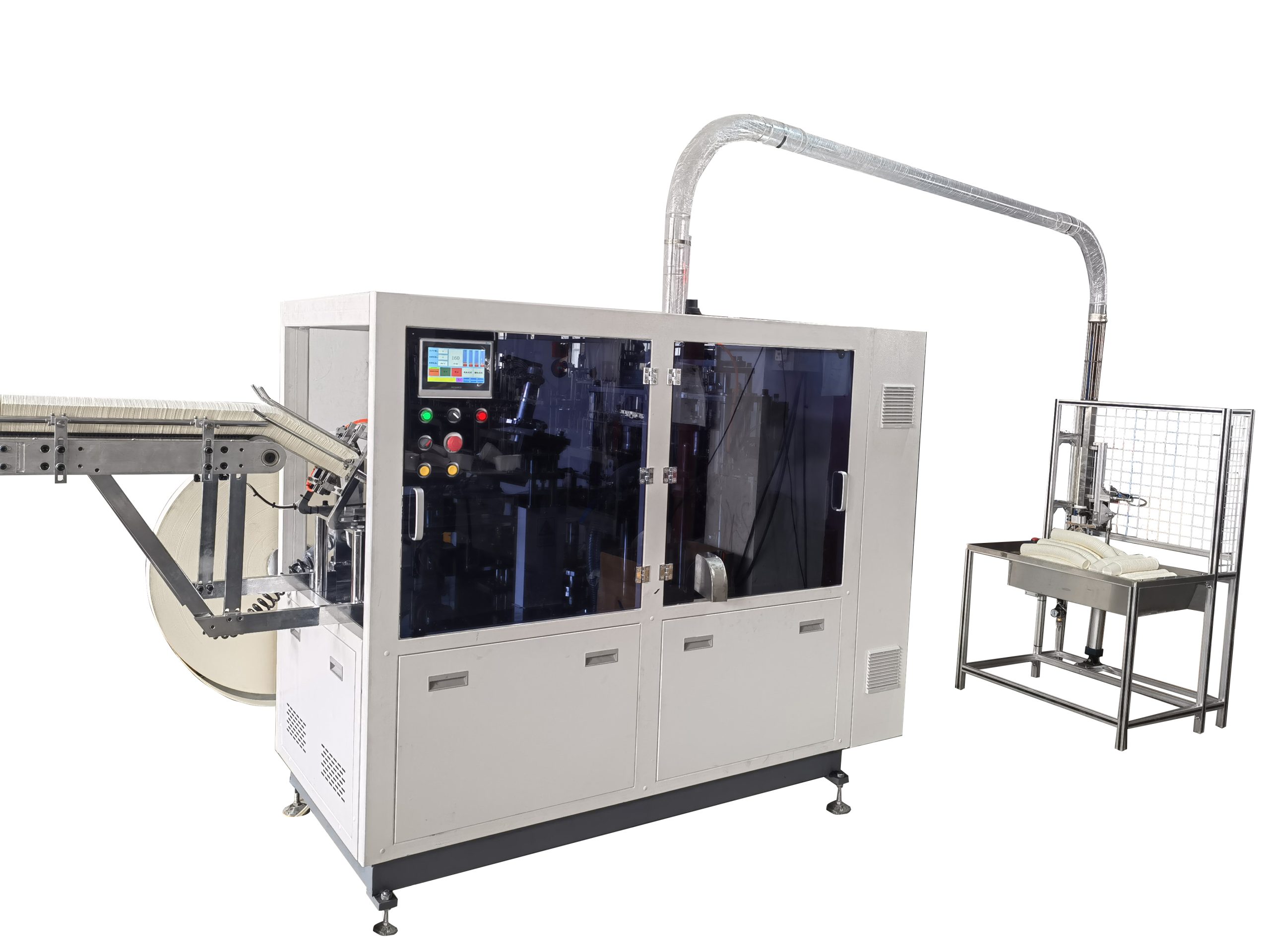
Paper cup fan blank inspection connects the material supplier, die-cutting process and forming machine. The blank must have the approved geometry and material identity, but it must also arrive in a condition that allows consistent separation and feeding. A stack that looks orderly from the outside can still contain mixed revisions, damaged edges or variable curl. Check the parts before using machine adjustments to compensate for them.
Confirm identity and drawing revision
Match the blank label to the production order, approved fan drawing and paper specification. Confirm the coating arrangement and which face should be presented during feeding. Preserve references to the parent material and cutting batch so a later issue can be traced beyond the delivery carton.
Inspectors should use the approved blank drawing to identify reference points for dimensional checks. Avoid estimating geometry from a finished cup of the same nominal capacity. The cup mold and size guide explains why the actual cup geometry must be confirmed when discussing tooling.
Examine the blank and the stack separately
Look for torn edges, incomplete cuts, creases, surface contamination and visible coating damage. Compare selected blanks with the approved reference using the defined method. Where printing matters, confirm the correct artwork revision and print-to-cut alignment before forming.
Then assess the stack: consistent orientation, mixed parts, distorted bundles and whether blanks separate as expected under the approved handling method. Do not force a stack flat and then treat it as evidence of acceptable incoming condition. Record the condition as received and distinguish it from any permitted preparation performed before the trial.
| Inspection subject | Practical check | Next action if uncertain |
|---|---|---|
| Identity | Label, material lot and drawing revision | Hold mixed or unidentified parts |
| Cut geometry | Defined reference points on the approved drawing | Request converter measurement evidence |
| Edge and surface | Damage, debris, creases and coating condition | Segregate examples for review |
| Stack condition | Orientation, distortion and separation behavior | Agree on permitted preparation or replacement |
| Feeding trial | Repeated behavior with an identified stack | Document interruptions before changing the setup |
Use the artwork registration checklist for printed blanks. Appearance, geometry and material approval should be separate entries in the release record, even when one person performs all three checks.
Evaluate feeding without concealing material variation
Follow the machine's loading and safe-operation instructions. Confirm the approved magazine arrangement and setup with qualified personnel. Keep guards and interlocks in use; do not reach into moving feeders to clear or reposition a blank.
During the trial, record skipped feeds, double feeds, misorientation and where interruptions occur in the stack. Keep representative problem blanks with their lot identification. Compare the condition of those blanks with retained acceptable examples. An interruption may involve the material, stack preparation or machine setup, so a photograph of a stopped feeder is not a complete diagnosis.
If a controlled comparison is authorized, change one factor at a time and retain the original trial record. A different material lot, a newly prepared stack and a machine adjustment made together cannot show which change affected the result. Confirm both feeding behavior and finished-cup quality before approving the condition.
Release the lot with limits for repeat orders
Record the drawing revision, paper and coating reference, blank lot, sample selection, measurements, trial results and approval decision. Define whether the trial approves only the inspected lot or a broader supply specification. Changes to the cutting tool, material or preparation method may require review under the agreed change-control plan.
Review HANNAI forming equipment with your actual blank specification. Send an inquiry with the cup drawing, blank samples and material details so the supplier can confirm the trial and configuration requirements.
Frequently asked questions
Can the finished cup drawing replace a fan-blank drawing?
No. Obtain the approved flat-blank geometry from the responsible supplier. Cup geometry alone does not define every cutting and overlap requirement.
Is visible curl always a feeding failure?
Not necessarily. Record the incoming condition and evaluate it through the approved trial. Do not apply a universal acceptance limit without supplier confirmation.
What evidence helps investigate double feeding?
Keep affected blank samples, lot and stack references, preparation details and observed trial behavior. Review the approved machine setup as a separate part of the investigation.
Does a successful short trial approve every future lot?
It supports the recorded trial condition. Future-lot release should follow the agreed incoming inspection and change-control requirements.