Finished paper cups need controlled release, labelled storage and documented dispatch so accepted product stays protected and traceable until it reaches the customer.
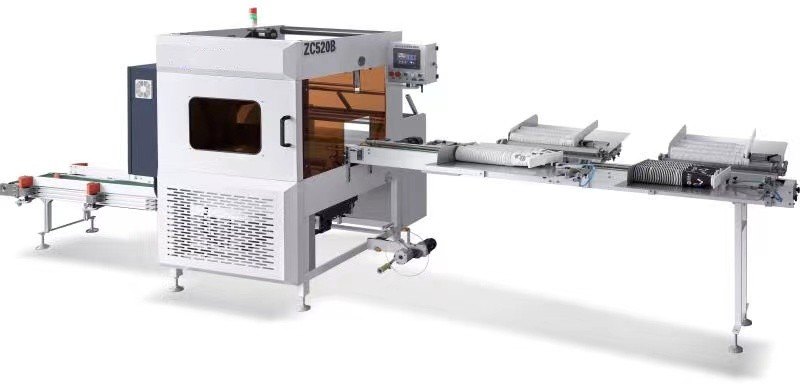
Extend quality control beyond the machine
Accepted cups can still be damaged, mixed, contaminated or lose traceability after packing. A finished-goods system should preserve the approved batch, carton condition, quantity and customer order through every warehouse movement.
Define the handoff from packing to warehouse, who confirms release and which records travel with each carton, pallet or other handling unit.
Use clear controls from receipt to dispatch
| Warehouse step | Main control | Evidence |
|---|---|---|
| Receipt from packing | Batch, SKU, quantity and carton condition | Transfer record and label check |
| Release status | Accepted, on hold, rejected or awaiting inspection | Authorized status and location |
| Put-away | Assigned zone, pallet identity and protection | Recorded warehouse location |
| Storage | Environment, stacking and inspection requirements | Condition and periodic check record |
| Order picking | Correct customer, SKU, batch and rotation rule | Pick list and quantity confirmation |
| Dispatch | Final carton, pallet, vehicle and document checks | Loading and shipment record |
| Returns | Segregation, identity, condition and decision | Return record and disposition |
Accept only identified finished goods
The warehouse should receive cartons with the current SKU, batch, quantity and status visible. Confirm package condition and reconcile the transfer quantity before the packing team closes the order.
Unlabelled cartons or unexplained balances should move to a controlled exception area, not directly into available stock.
Separate release status from location
A carton is not accepted merely because it is stored in the normal warehouse. Use physical labels, system status or both to distinguish released, held, rejected and inspection-pending goods.
Only authorized roles should change status. Record the person, date, reason and supporting inspection or disposition reference.
Design storage around product protection
Keep finished cups protected from water, excessive moisture, heat, direct sunlight, dust, pests, chemicals, odors and physical impact according to the cup, packaging, customer and market requirements. Do not copy one universal temperature or humidity limit without an approved basis.
Provide clearance for inspection and cleaning, and prevent warehouse traffic or equipment from contacting cartons or pallets.
Control stacking and pallet condition
Use suitable pallets or handling units, stable stacking patterns and limits supported by the carton and packaging design. Check for crushed corners, leaning loads, torn wrap, wet cartons and protruding fasteners before put-away and loading.
Do not use a damaged pallet because the cups inside appear unaffected. Record repacking or pallet replacement so batch quantity and labels remain correct.
Keep batch identity through every movement
Record the relationship between cartons, pallets, warehouse locations, customer orders and shipments. When a pallet is split or rebuilt, preserve the original batch identities and update the quantity balance.
The batch traceability guide explains how finished-goods codes connect back to material and production evidence.
Choose a documented stock-rotation rule
Use first-in, first-out, first-expired, first-out or another approved rule that matches product shelf-life, customer and regulatory requirements. Batch age should remain visible during order picking.
Do not automatically ship the oldest stock when it is on hold, damaged or outside a customer’s approved revision.
Inspect stored product at defined points
Set checks based on storage duration, warehouse risk and packaging condition. Look for water exposure, dust, pests, carton deformation, broken seals, label damage, unstable stacks and unexplained movement.
Record the affected batch and quantity, then contain suspect goods under the defect classification and containment process.
Protect mixed-SKU picking
Separate visually similar cup sizes, prints and customer labels. Use the pick list, barcode or other approved identity check at selection and again before loading. Confirm carton count and any partial pallet.
Where orders contain several SKUs, plan loading so labels remain visible and the customer can unload without mixing batches unnecessarily.
Complete a dispatch readiness check
Confirm customer, delivery address, SKU, revision, batch, quantity, carton and pallet condition, loading sequence, required documents and transport cleanliness. Inspect the vehicle or container according to the product and shipping procedure.
Do not load released cups next to incompatible materials, strong odors, moisture sources or unstable cargo. Record exceptions before the vehicle departs.
Connect packing records to shipment
The packing record should show the packed quantity, packaging materials, label version and batch boundary. The dispatch record should show which handling units entered each shipment.
Use the paper cup packing options guide to align bags, sleeves, cartons and automation with protection and handling needs.
Control returned finished goods
Place returned cartons in a segregated area and record customer, shipment, batch, quantity, seal and package condition, return reason and transport exposure. Do not return them directly to available stock.
Authorized quality and commercial roles should define inspection and disposition. Preserve evidence when a complaint investigation may be required.
Review warehouse losses and delays
Track carton damage, pallet replacement, picking errors, missing labels, holds, aged stock, quantity differences and loading delays. Separate warehouse causes from production and transport causes before assigning actions.
Connect the dispatch plan with the production scheduling and SKU mix guide so packing and warehouse capacity support the production sequence.
Frequently asked questions
What should appear on a finished paper cup carton label?
Use the customer, product and market requirements, with enough controlled identity to connect the carton to SKU, batch, quantity and release records.
Can held and released cartons share one warehouse area?
Only when the approved system prevents unintended use through effective physical and status controls. Clear segregation is usually easier to verify.
Which stock-rotation method should be used?
Choose the documented method that matches shelf-life, customer and regulatory requirements, while excluding held, damaged or obsolete stock.
Can returned cups go back into saleable inventory?
Not automatically. Segregate the return, preserve identity and transport evidence, then follow an authorized inspection and disposition process.
Send your cup range, packaging format, target output, warehouse flow and dispatch requirements through our inquiry page. HANNAI can discuss paper cup machine, packing equipment and line configuration.